Zen

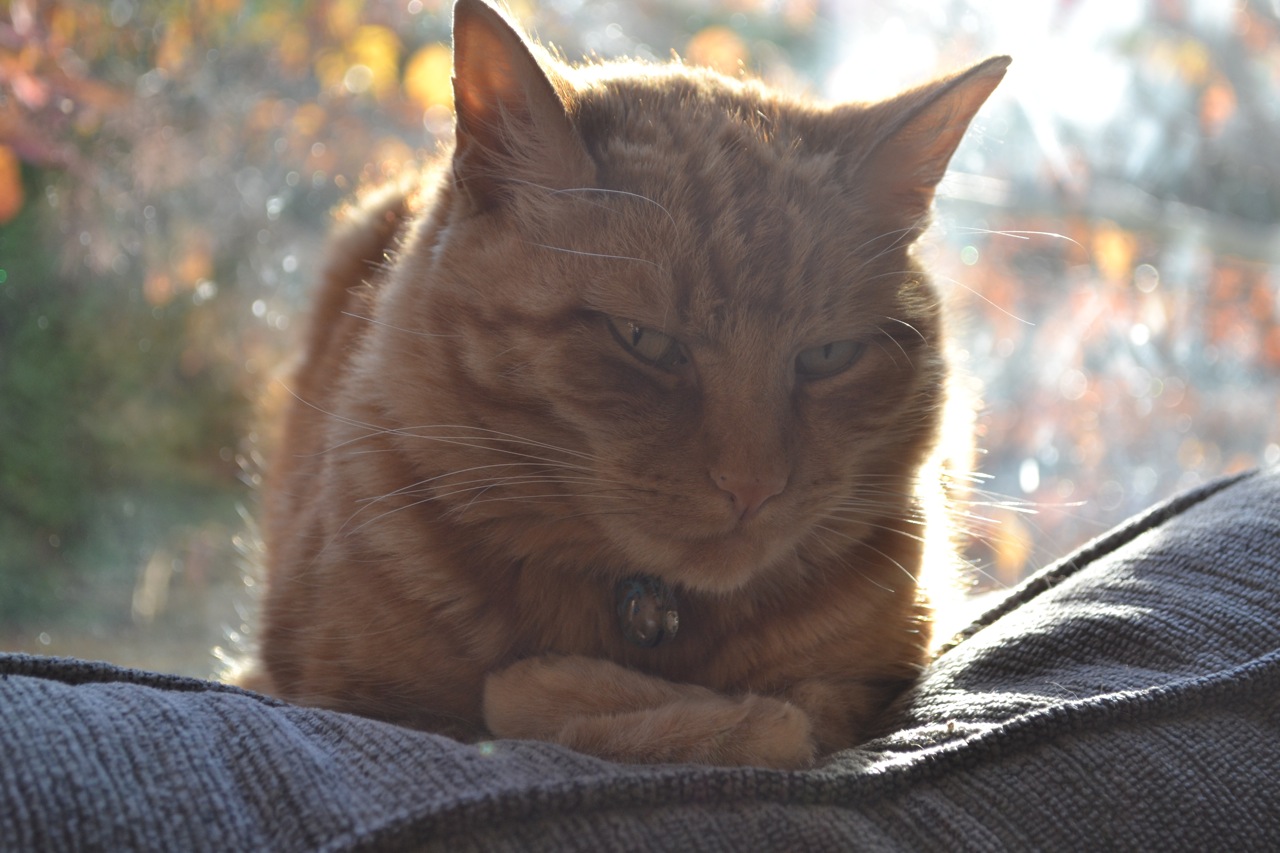
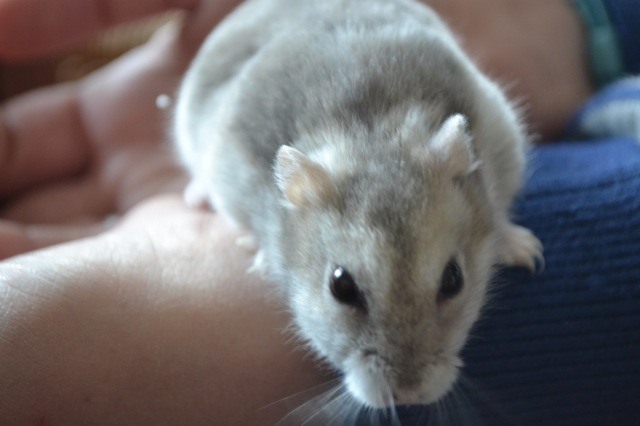
Our dear hamster Zen passed away a few days prior to Thanksgiving. Her death was not unexpected; we’d been on hamster death watch since August, when the ravages of old age were beginning to show, and on high alert for most of November, as she slowed down and eventually became paralyzed.

Zen’s death was the first we’d experienced since the death of my mother, in February 2010.  Just as we had with my mother, we observed Zen eventually stop eating and had to coax her to drink.  In her final hours, just as we had with my mother, we took our iPod and played the songs she’d loved, while telling her how much we loved her and what she had meant to us.  My mother’s play list:  the Israel Kamakawiwo’ole version of “Hawaii Aloha,” Madama Butterfly, Camelot and “Stardust,” sung by Willie Nelson, because that’s the only version I could find on iTunes.  Zen’s playlist:  Sean Kingston’s “Dumb Love,”  Ed Sheeren’s “The A Team,”  and Bruno Mars’ “Count on Me.”

We went out in the pouring rain and buried Zen in the “kitty arbor,” where three cats and one bird rest beneath a pieris japonica plant and a statue of a sleeping cat.

There’s a wonderful David Sedaris essay (which I mentioned in a previous post about dogs) called Youth In Asia that, among other things, talks about how the pets in our lives mark the passage of time.

Zen was Daughter #1’s fifth grade graduation gift.  Now as D#1 prepares to go to high school, it feels as if the last vestiges of her little girlhood are fading away. As we tour prospective schools, she is feeling the pressure of PSATs, SATs, leaving some of the friends she’s gone to school with since kindergarten and contemplating college and beyond.  I used to say that our kids’ remaining time living with us was equivalent to the lifespan of a guinea pig.  Suddenly, for Daughter #1, it’s dwindled to the lifespan of a healthy hamster.

In the aftermath of Hurricane Sandy, many of my friends from New Jersey posted updates on Facebook about the havoc wreaked by the storm, including how they had coped with power outages.  One of the most heartfelt updates came from my high school friend S., who included this picture:

This is her turtle Speedy, wearing the sweater S. made to ward her off from the cold while the power was out. S. says she also held Speedy over a steaming pot of boiling water, but reassured her that it was for warmth, not turtle soup.

Speedy has lived with S. for more than forty years.  When we were young and S and her family went on vacation, I used to feed Speedy cantaloupe and watch her slowly make her way around S.’s house.

Speedy has been a constant in S.’s life, and, I guess by extension, mine. Though S. and I haven’t seen each other since we were in college, the fact that she still has Speedy is a reminder that she is still the person I knew and loved.  Speedy brings back fond memories of S.’s and my mostly happy high school years.

I wanted to do something special for Daughter #1 to acknowledge the loss of her pet.  Quiet, gentle, bookish, artistic and dreamy, D#1’s feelings are sometimes overshadowed by the loud and harsh realities of everyday life.

I decided that after Zen’s funeral we would have lemon curd, something D#1, adores almost as much as she enjoys Britishisms. (In a recent report she did on British cuisine, D#1, who has an excellent sense of humor and a firm grasp of the inner workings of the middle school mind, decided to steer clear of mentioning “spotted dick.”).
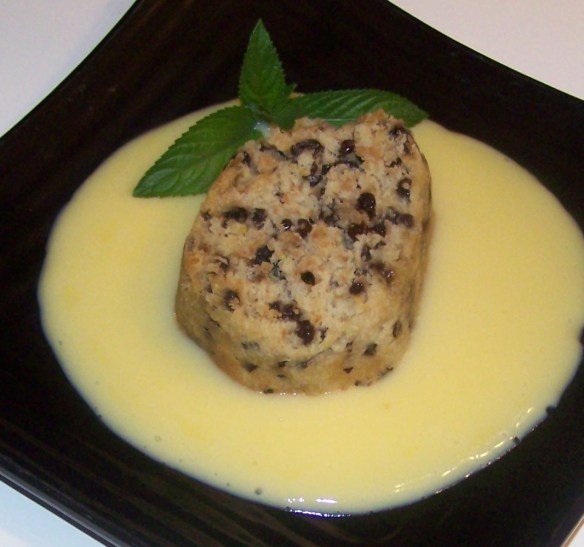
Get your mind out of the gutter. It’s a steamed pudding with currants.

When she was little and couldn’t pronounce the letter L, D#1 would refer to the tangy marriage of lemons, butter and eggs as yemon curd.  Other little kids, who had trouble pronouncing her multi-syllabic name, sometimes referred to her as Lemony. For birthdays she enjoyed the Lemon Butter Cake with Fresh Strawberries and Butter Cream from our friend Leslie Mackie’s Macrina Bakery and Cafe Cookbook and my favorite White Chocolate Whisper Cake, featuring lemon curd and raspberry preserves.  You can find that recipe in Leslie’s new book More From Macrina.  I am the “fellow soccer mom” mentioned on page 169, who enjoyed the cake on my fortieth birthday.

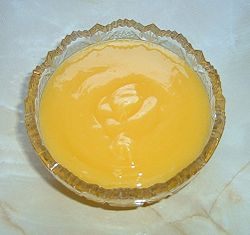
So even though I was up to my ears in Thanksgiving preparations, I took a breather from pies, turkey stock and the cranberry- pomegranate sauce from Food and Wine magazine that will now be a staple in my Thanksgiving repertoire and I made lemon curd, using David Lebovitz’s recipe. We ate it with shortbread cookies while watching an episode of Modern Family to cheer us up.
I don’t know if we will get another hamster, though, if we do, we agreed a few years ago while vacationing in Turkey to name it Suleiman the Magnificant (there is some back-pedaling about that agreement now).

The advice about high school I would give Daughter #1 comes from the immortal words of Bob Marley:

Finally, in the immortal words of Jon Stewart, here it is, your moment of Zen (and Speedy’s brush with fame):

As the holiday roller coaster speeds up, we could all use a few moments of Zen.  I finally took some time to collect all the recipes on this site onto one page and also to provide some information about my forthcoming book. It was kind of relaxing. You’ll find both of these pages at the top of the site.  

The Perks of Being a Wallflower Mom

For seven years I have facilitated a mother-daughter book group, established when Daughter #1 was in second grade.  We started the group because the first signs of girl bullying were beginning to surface in the classroom, and so we gathered every girl in the class together on a Saturday to discuss the book The Hundred Dresses.

Over the years, the group has shifted from school-based to home-based and the membership has waxed and waned.  It’s now comprised of a core group of avid readers, young and not-so-young, who have discussed everything from race relations in the South during the early1960s to dystopian societies of the future; dysfunctional and functional families; the complexities of mother-daughter relationships; and girl power:  extraordinary and ordinary.

Our most recent book was The Perks of Being a Wallflower, which was followed by a group outing to see the film.  The main character, who is a freshman in high school, deals with SPOILER ALERT suicide, depression, molestation, abortion, drugs and gay bashing, in addition to the typical emotional highs and lows of adolescence.

The girls, all but one of whom are in eighth grade, chose the book because they wanted to see the movie. Daughter #1, the first of her peers to read it, found it unexpectedly depressing.  “I can’t believe that the main character is one year older than me,” she said.  So I starting reading the book. I found it riveting because it captured many of my own high school experiences (especially the Rocky Horror Picture Show obsession).

Did you read Catcher in the Rye, Go Ask Alice, Girl, Interrupted or Ordinary People?  Depressing stories of depressed teenagers are nothing new (and Perks was actually written in 1991).  But there’s a moment in the book, and also in the film, in which the main character is riding in a truck with newfound friends and a song comes on, the perfect song.  He describes the way he feels as “infinite.”

A few days after I finished the book, there was knock on my door. A neighbor wanted me to know that the police had been called because one of the inhabitants of my house had broken into her house and set off the alarm. I looked at my charge, whom I still think of as young and innocent, and didn’t want to believe it could be true.

Hadn’t I spent years instilling good values?

He broke in through the cat door, stole some food and beat up my neighbor’s cat.

At the beginning of the school year, a group of ninth-graders in my neighborhood allegedly stole a parent’s car, sped down a neighborhood avenue and hit a parked car, which mercifully protected them from the telephone pole behind it. The owners of the smashed car left it there for weeks with a note on it and on the telephone pole, the gist of which was:  “Dear Kids, If you’ve come to see the results of your accident, know that we are glad you are okay.  Please take care of each other.”

I took Daughters #1 and #2 to see the smashed car and the note.  “I can’t believe the kids who did this are one year older than me,” said Daughter #1.

There were apparently marijuana-laced brownies at the middle school Halloween dance and whiffs of other pot rumors have been floating in the air. (Yes, I do live in Washington State, where we’ve just legalized recreational marijuana, but not for middle-schoolers).

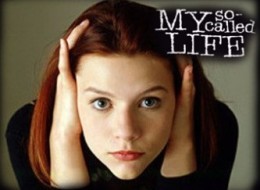
My daughters and I watched a few episodes of My So-Called Life.  It was depressing to watch fifteen-year-old Angela Chase struggle with questions of identity, which involved sneaking out of the house and having confusing experiences, before returning home, usually miserable and defeated, yet sometimes grateful to be back in her mother’s orbit.

Late one Saturday night, my puppy, who is perfecting his watchdog skills, spied movement at the abandoned home of our recently deceased neighbor. As he barked, teenagers came spilling out of the house and scattered into the alley.  I wondered whether I should call the police.  There are so few abandoned houses anymore, as there were in my youth, and this one is likely to soon be replaced with a modern duplex. My guess is that the kids inside were feeling infinite.

The other mothers were as riveted by The Perks of Being a Wallflower as I was.  We discussed whether the book was too depressing for our daughters and C, who may sometimes be forgetful, but is always wise, said “Better for us to introduce these topics then for them to learn about them elsewhere.”

When our group came to discuss the book, we mothers told carefully chosen stories about ourselves in high school. The girls were fascinated.  “I can’t believe you’re telling us this,” said the daughter of the formerly raucous Catholic school girl, who became an emergency room nurse.  “We weren’t always the way you see us now,” we told them.  “We grew up.”

There is a scene at the end of the film version of The Perks of Being a Wallflower in which one of the characters, who has been away at college, tells the high school protagonist what he has to look forward to:  “The world gets so much bigger,” she says.

Our daughters liked the film, but they were equally impressed with the art house theater where we saw it. It was the first time any of them had seen a film in a venue so funky and cool.

Their worlds will get so much bigger and I am glad they will have moments when they feel infinite.

I just hope they will take care of each other when they do.

For most of my high school years, I felt infinite at the Jersey Shore, specifically the boardwalk at Seaside Heights. My heart goes out to everyone who was affected by Hurricane Sandy, especially the inhabitants of my former home state.  Please continue to take care of each other.

I won’t pretend that I’m not apprehensive about the looming parenting challenges, but I have found one sure-fire method to bind the family together:  potatoes. Specifically, the Buttermilk Mashed Potatoes from the Zuni Cafe Cookbook.  No matter how angry or uncommunicative or hormonal anyone gets, these potatoes bring them around, even me, a rice aficionado, who has never been a fan of making or eating mashed potatoes. These mashed potatoes are tangy and comforting without being too decadent.  Anyway, sometimes it’s important to ignore the glycemic index in the interest of family harmony.

Here’s the recipe:

Zuni Cafe Buttermilk Mashed Potatoes (serves four, but I always double it to serve four)

1 1/4 lbs. peeled potatoes (I use Yukon Gold), cut into chunks

Salt

2-3 T heavy cream (you can also use milk or half-and-half), warmed

2-3 T buttermilk at room temperature

3T melted unsalted butter

1. Boil the potatoes with salt until tender.

2. Drain and mash, while piping hot and then add hot cream, followed by buttermilk.  Finish by adding butter.

3. Mash vigorously and add salt to taste.

4. Enjoy your family.

Vanity: The Thyroid Chronicles, Part II

from sketchfu.com

By now you may have heard of “The Mom Stays in the Picture,” Allison Slater Tate’s manifesto that we mothers shouldn’t hide behind the camera because we are ashamed of our post-baby bodies and the ravages of aging.

“Our sons need to see how young and beautiful and human their mamas were. Our daughters need to see us vulnerable and open and just being ourselves — women, mamas, people living lives.

“When I look at pictures of my own mother, I don’t look at cellulite or hair debacles. I just see her — her kind eyes, her open-mouthed, joyful smile, her familiar clothes. That’s the mother I remember.” 

Juxtaposed with this, I read a piece on the Huffington Post on why feeling pretty after 50 is important.

What still confuses me, and what I want to explore in my thoughts, conversations and writing, is what aging gracefully means to me.

I’ve mentioned before that I don’t dress a whole lot differently than I did at sixteen and, truth be told, I don’t look a whole lot different either.  So when I have to grapple with things like that roll of fat around the middle that just won’t go away

I’m not sure whether to fight it, accept it or make peace with it and figure out how to deal with it.

“It’s inevitable. You’re getting older,” sighed my Ob/Gyn.  “It may be the perfect storm of perimenopausal hormones and glycemic sensitivity,” said my new general practitioner, who spent a full hour talking with me and listening to my concerns. “Try shaving two or three hundred calories off your daily intake each day, change your exercise routine and give yourself six months to lose ten pounds.”

My first round of thyroid tests were normal and though I don’t yet have the results of my second round of blood work, I assume those tests will also be normal.

That’s a good thing.  Though I was anxious for a concrete answer to the changes in my body and rightfully vigilant of the impact of the steroid injections I’d received, I’m glad there’s nothing wrong with me and that I won’t have to be on medication for the rest of my life.

But because I’m not ready to throw in the towel when it comes to my tumultuous tummy, at the doctor’s suggestion, I became familiar with the glycemic index, which measures the impact on blood sugar levels in the body after eating certain foods. If you feel bloated after eating pasta and wonder whether the glycemic index could be the greatest thing since sliced bread, check out the glycemic index website put together by the University of Sydney, which among other things, maintains the international glycemic index database of a wide variety of foods.  Most experts agree that the number you want to pay attention to is the glycemic load, which combines both the quality and quantity of carbohydrate in one ‘number’. According to the University of Sydney, it’s the best way to predict blood glucose values of different types and amounts of food. (This blog is not meant to be the source of medical advice. If you are curious about the glycemic index or any other aspects of your health, please consult with a doctor, preferably one who will take the time to listen to your concerns).

I’m more concerned with the life index, which I define as how quickly a meal shared with others is converted to joy,  i.e. how I can have my cake and eat it too.

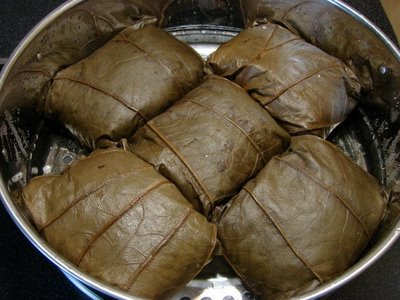
I knew the day we went to eat dim sum with two Chinese exchange students that lo mai gai, sticky rice wrapped in a lotus leaf with pork, would wreak havoc on my mid-section.  I could ill afford the Michelin look, because the next day I was scheduled for a photo shoot to obtain an author photo for my book Ruminations from the Minivan:  musings from a world grown large, then small, which is coming out soon.

We had a great time with the Chinese girls, I ate leftover lo mai gai for a mid-afternoon snack and was predictably puffy the next morning.  So I ate oatmeal for breakfast, worked out and instructed the photographer to take head shots only.

It was worth it.

Despite the warmth and easy demeanor of the photographer, I still found the photo shoot uncomfortable, especially when I looked at all the images she had taken on her digital camera and saw my many nuanced poses reflected back at me in Fifty Shades of Alison.

I hadn’t until realized until then that, unlike writing a book, promoting a book means getting into the picture instead of remaining comfortably behind the scenes, and that this is just the first of many times in the coming months that I will have to put myself out there — vanity be damned.

What saved me was a recent interview I’d had with B.J. Neblett, a fellow author who was writing a profile of me for our writers’ collective website.  The morning we met, I was unshowered and wearing an old sweatshirt of Jeff’s. B.J. didn’t care that I was scruffy. We had an enjoyable conversation, which was reflected in the flattering profile he wrote about me.
I’m not going to pretend to have given up vanity, not to be flattered when people compliment me on my youthful appearance and not to be shocked when I resemble my maternal forbears in their later years (spoiler alert – there is one poem in my new book entitled, “My Grandmother’s Thighs”). I will sporadically pay attention to the glycemic index but hopefully, as the years go by, I will scrupulously pay attention to the life index — dim sum bloating be damned.

Aging gracefully

 I had a great idea for a recipe to share with you that I thought would cleverly tie the themes in this post together.  I planned to call it “Vanity Fare.”  It comes from Dorie Greenspan‘s book Around My French Kitchen and involves slicing boneless skinless chicken breasts into strips, sauteeing them in butter and then adding a cup of creme fraiche with two LU Cinnamon Sugar cookies crumbled and mixed in.  I was going to say that when chicken breasts are sweet and creamy and comforting, nobody cares if they are pleasantly plump.

“What’s for dinner,” daughters #1 and #2 asked suspiciously (they are often suspicious when I am cooking). “Chicken with cookies!” I said, assuming they would be thrilled to have a dessert-like twist on dinner.  I was thrilled to produce such an effortless elegant meal so quickly because I had to rush off to a meeting before the meal was over. They took tentative bites and proclaimed it “too rich.”  The next day, I found some chicken wadded up in a napkin and (not very well) hidden in my office.  We had pasta that night for dinner.

 I hope when my kids look at pictures of me and I’m sporting a tummy, they’ll see the kind eyes and joyful open smile of a mother who ate carbohydrates to make them happy.

Upside down

I don’t know why March gets all the hype, when anyone with kids can tell you that in September madness abounds.  There’s the getting back into school rhythm, the ceremonial synching of the calendars, the myriad of forms to fill out, the continual washing of soccer clothes (and hunting for soccer socks) and lots and lots of driving.

We’re affiliated with a new school and a new swim club, which means new faces and names to remember and new “opportunities” to become a part of these new communities.

For every event on my September calendar, there were one or two competing or bookending events, making it hard to get into the natural flow of daily life.

A few weeks after school started, we hosted a Japanese exchange student and had the opportunity to show her how a normal American family lives.  I thought it would be a good idea to make homemade pizza for our first dinner together.

I should have learned the Japanese translation for this.

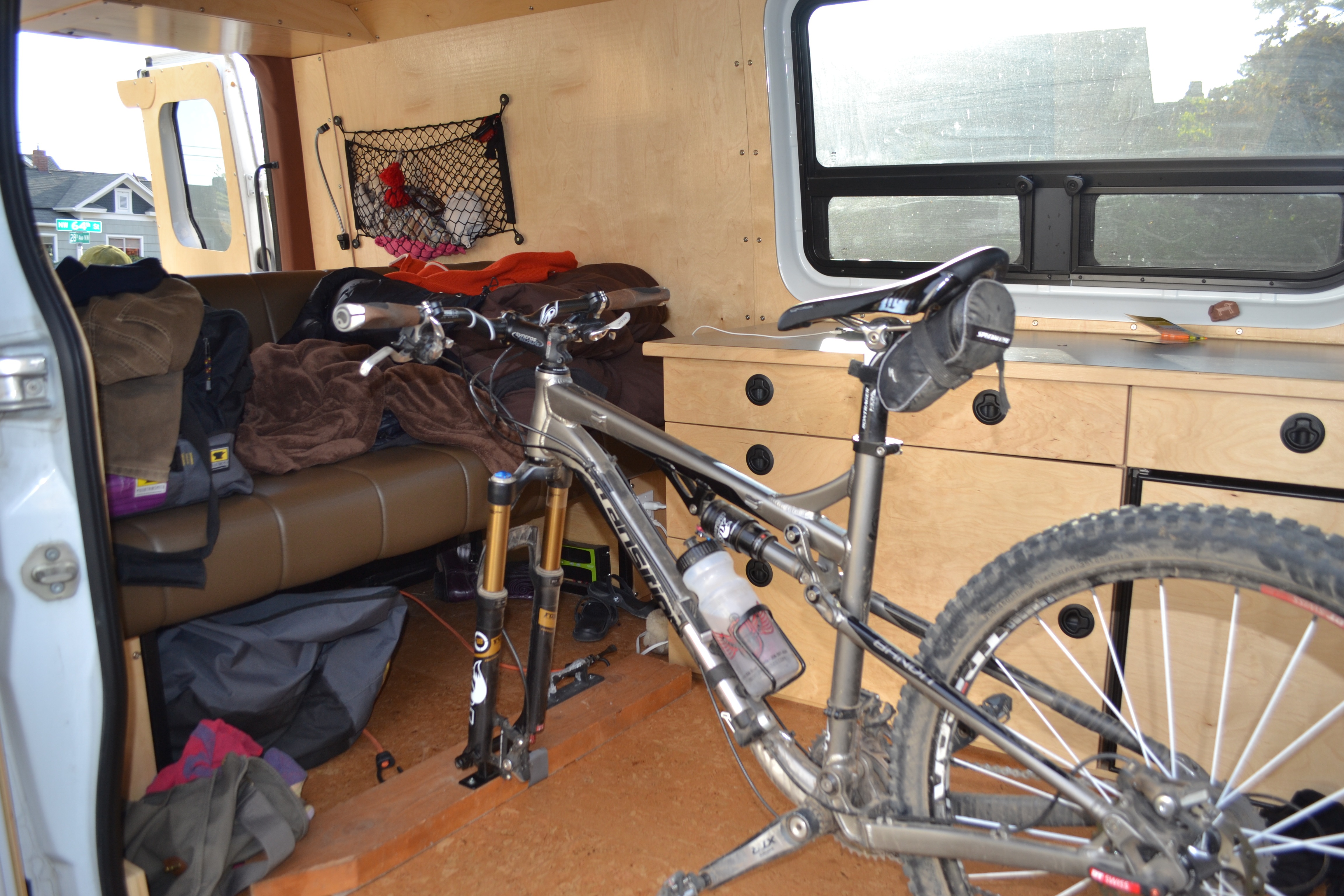
Later that evening, our intrepid friends the Canadians unexpectedly showed up. They were camping in their nifty house on wheels

Sigh. There’s something to be said for simplicity.

which they parked on the normally quiet street in front of our house.  All day I had noticed an unusual number of cars parked on our street, including one with a woman in the front seat engrossed in a book.  Two hours later, she was still there.  Four hours later, she was still there.  At 11:00 p.m. she was still there, still reading.  It reminded me of that famous scene from When Harry Met Sally.

“I’ll read what she’s reading.”

Flanked by Jeff and the Canadians, I knocked on her window to make sure she was okay and to get a look at the book that had held her attention for so long. She explained that unbeknownst to us, our neighbor across the street had died earlier in the week and there was to be an estate sale beginning the next morning.  “They provide entry to dealers based on a list.  I’m number one on the list, so I’m spending the night here in my car to protect my spot.”  She went on to explain that it’s not unheard of for people to sneak out at night and remove estate sale entry lists, which are posted outside the property.  “Actually,” she said indignantly “you are supposed to remain near the premises to hold your place on the list, but I’m the only one still here.  At 5:00 tomorrow morning, everyone else will show up.” I did ask her about her book, but neither it, nor the prospect of being the first person to get the chance to dig through an old man’s stuff, seemed worth spending the night in a car.

The Canadians wisely decided to move their vehicle to our driveway, rather than risk being awakened by treasure hunters.  At 6:00 a.m., when I took the dog for a walk, there they were and their numbers grew throughout the weekend.  I imaged trying to explain the reason for all these people to our visiting Japanese girl.  Was this how normal Americans lived and died?

I decided we should stick to sight seeing.

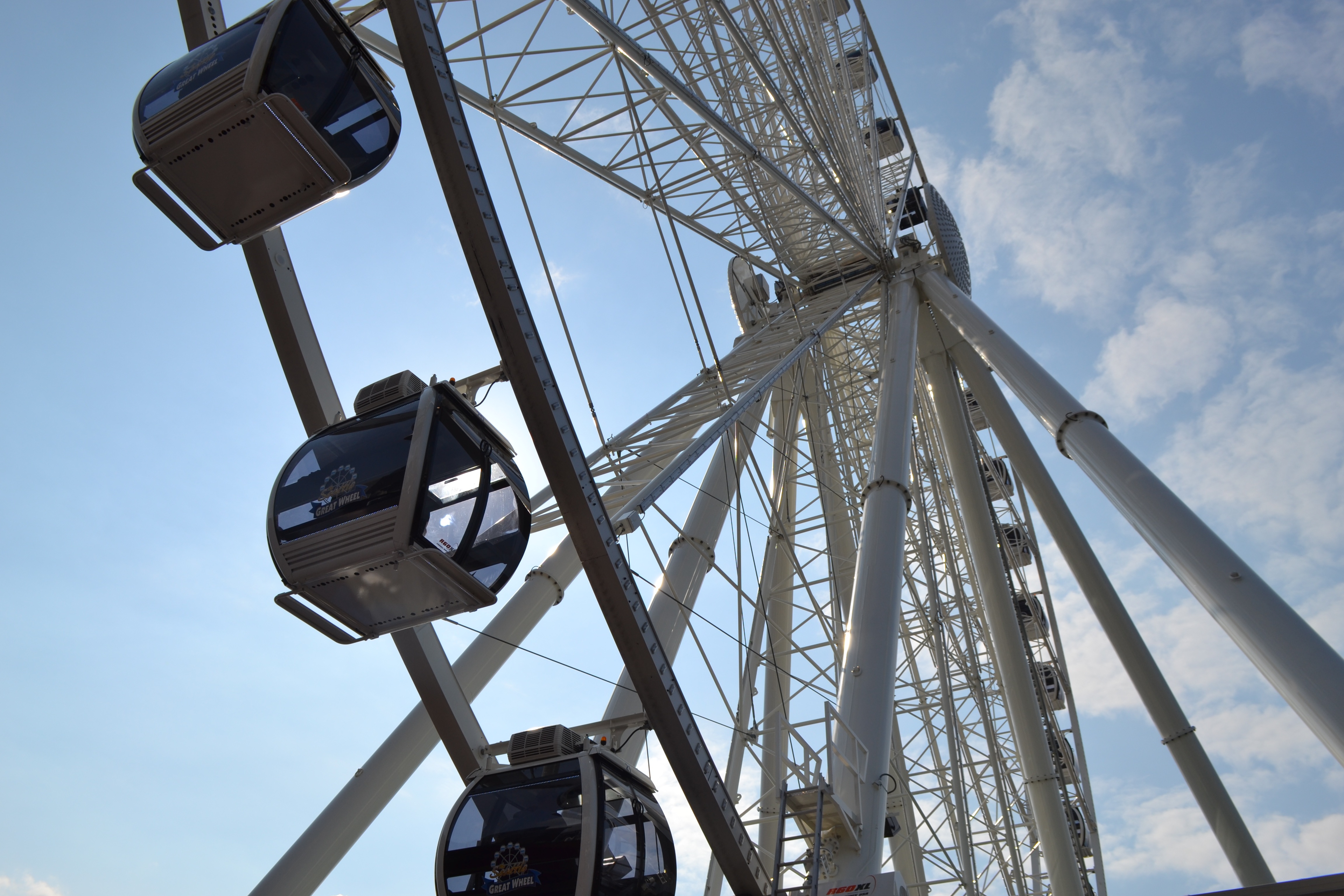
The new ferris wheel on the Seattle waterfront

The visitors left, the month wore on and I kept waiting for things to calm down.  Over dinner, I spoke authoritatively about putting “systems in place” and established menus and job charts to keep us all on track.  Whenever the opportunity to restore order presented itself I grabbed it, collecting the apples that had fallen from our tree to make applesauce (using a James Beard recipe which admonished that, because different varieties of apples vary in sweetness, it would be “folly” to add sugar until the apples were cooked.) and catching up on laundry in between the first and the second time the dryer broke.

One such night I wanted to cook, really cook and so I decided to make maqluba, a traditional Middle Eastern upside down dish of rice, eggplant, cauliflower and chicken, using the recipe from Yotam Ottolenghi‘s new book Jerusalem. The timing may have been bad – just as I was frying up cauliflower, Daughter No. 2 needed help with her math homework. I know I’m not alone when I say that answering any questions about math requires me to sit down and breathe deeply before I dive in. But when I brought the steaming platter to the table and adorned it with garlic-infused yogurt, I could imagine that one day, life would feel normal again.

 As we moved into October I had two encounters that gave me pause.  One was with a former neighbor, who came by to tell me that a member of her family had died.  I was rushing to dry my hair, take the dog for a walk and zip to an appointment when she appeared and so could not fully express my condolences or share memories with her. The other was a telephone conversation I had with a woman I had interviewed for an article I’d written.  She’d lost her teenaged son unexpectedly last Christmas and recently her family met the man who had received her son’s donated heart. Our interview the day before had stirred up memories and now she wanted to tell me all about her son, not so that I could write about him, but so that I could know the person he had been.  I listened, wanting to help her keep his memory alive, but I was distracted. I had ten minutes to chop and brown pork and put it into the Crockpot so that we would have time to eat dinner after school and swimming and before soccer practice.

One evening last week, in the brief available interlude after dinner and homework and before bed, we watched snippets of the documentary Half the Sky, which aired on PBS.  Even my daughters, who were riveted by what they saw, realized that our challenges are First World problems of our own making.

Still, I know it would be folly to expect that September will ever be any different, at least as long as I still have kids at home.  Just as I once designated a night of the week as European Chicken night, I’m thinking of designating September as Topsy-Turvy month and cooking maqlaba and tarte tatin and other upside down dishes until life, and our priorities, right themselves again.

It’s been a year since I started Slice of Mid-Life and I want to thank all of you who have read it and commented.  Even though work and life and puppies sometimes interfere with my best-laid blogging plans and I have to find stolen moments to write (like tonight, when I typed in my car while waiting for our Cuban Roast pork sandwiches to be ready), I’m always glad that I did.                 

Shall I Compare Me to a Summer’s Fig?

If I were a real food blogger, I’d be writing about late summer Italian plums, figs and tomatoes, the last blackberry cobbler of the season, about eggplants and the fact that by late August my apple tree was already brimming with fruit as red as a seductress’ lips.

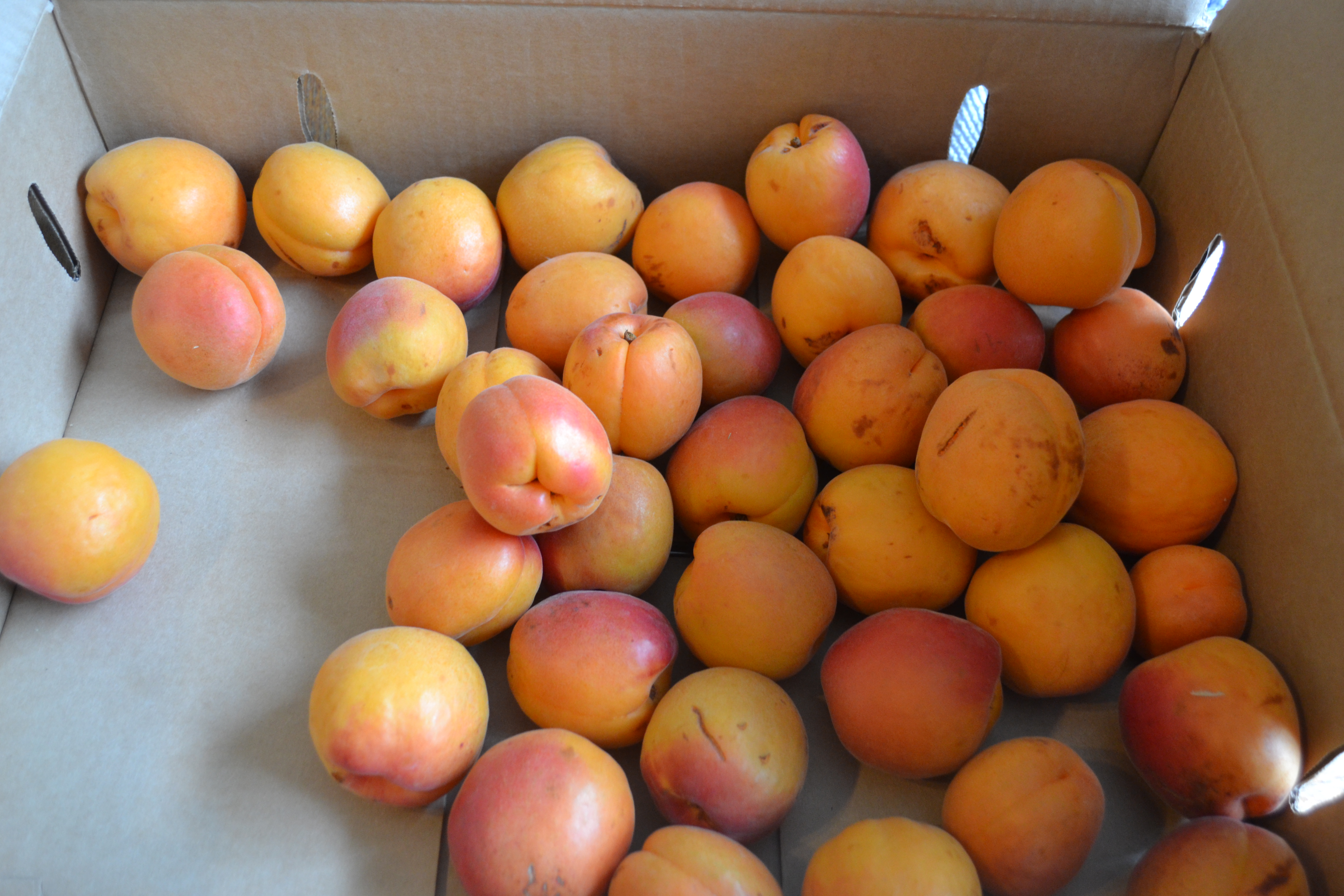
I’d be telling you that for the first summer in thirteen years, I made no jam from berries I had picked myself, but luckily was able to use Susan Herrmann Loomis’ recipe for apricot jam from her lovely book On Rue Tatin (a nice read when you are suffering from the doldrums) with the remnants of the ten-pound box of apricots I bought in Eastern Washington on the way home from a camping trip in Idaho.

I had big plans for these apricots, but a certain teenager ate most of them on the road from Quincy to Seattle.

I might mention all the terrific Mexican food we ate at the Columbia River Gorge and the fact that I got to eat at three restaurants I’d always wanted to try:  the fantastic Pok Pok in Portland, Aziza, the San Francisco restaurant owned by Mourad Lahlou, author of Mourad’s New Moroccan, one of my favorite new cookbooks this year, and the iconic Zuni Cafe, where the famed roast chicken did not disappoint. Two weeks in a row, after dining at Aziza, I made Mourad’s piquillo almond spread, a real crowd-pleaser.

I might sneak in a mention of some of the books I finally got around to reading on vacation (The Night Circus, The Tiger’s Wife and, at the behest of Daughter #1, The Hunger Games trilogy).

I could tell you that it is bittersweet to realize that with the passage of years comes the realization that I will never have enough time in a season to make all of the favorite dishes we have compiled,

especially since I can’t resist adding new favorites, such as the Garum Factory’s Avocado Salad with Pikliz.

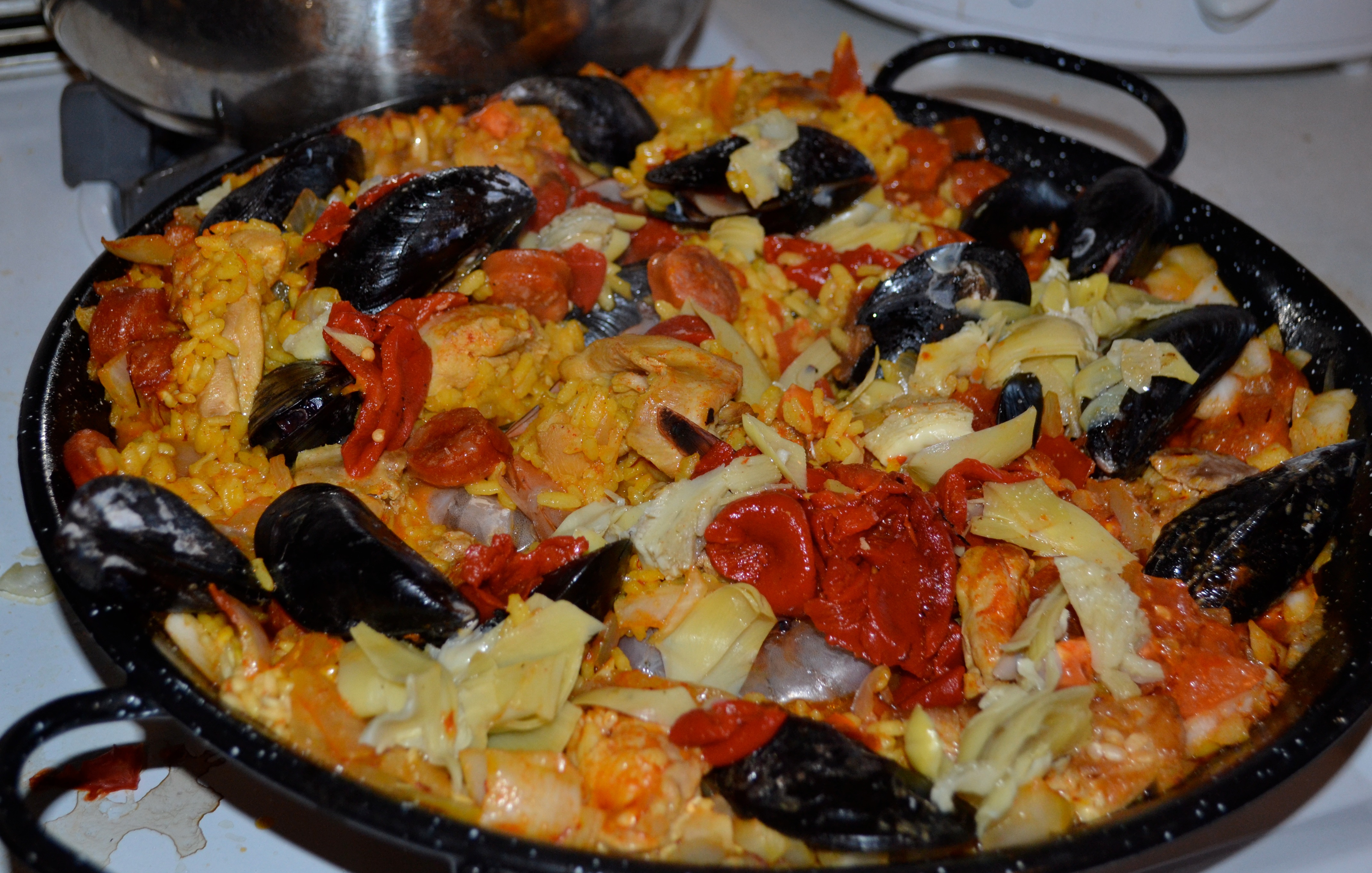
Finally, I might point out that if you have an abundance of Italian plums or figs, you could do worse than to turn to Dorie Greenspan‘s Baking from my home to yours  for inspiration (check out her Fig Cake for Fall and Flip-Over Plum Cake) and that if you are having a big gathering of friends on Lummi Island for Labor Day, people will be impressed if you whip up a big paella (even if you think you could have done a better job seasoning it).

But I’m just a broken down hybrid mid-life blogger taking advantage of a few free minutes on this, my 51st birthday, to muse about the differences between turning 50 and 51, opportunities found and lost this summer, our family’s newfound preoccupation with hair and the fact that as I progress further and further into that undefined hormonal state known as perimenopause (and perhaps because of all my fine summer dining), I am beginning to resemble a fig and am longing for the vitality I had when I turned 50.

Today was the first day of school, so if ever there was a birthday that was not all about me, this was it.  You should see our downstairs bathroom.  It’s a mess of hair straighteners, hair product, curling irons, nail polish remover and metallic blue nail polish, some of which has spilled onto the top of the toilet bowl, where it will probably remain for eternity.

I wanted this, my friends remind me.  I wanted Daughter #1 to feel comfortable with her femininity and to embrace her beauty instead of hiding it. I love the new nightly ritual of Daughter #2, our resident fashionista, patiently straightening her sister’s hair, of watching the two of them in the bathroom at 6:30 a.m., determining how much mascara is too much, of seeing how much fun they both have with clothes.

I also want to be able to leave the house without having to factor in 45 minutes of primping every time.

Instead of a day of self-indulgence and an unbroken train of thought, my birthday (it is now the next day) ended up being about making time for other people:  a 6:30 a.m. call from my nephew, who will soon be deployed to Afghanistan and a call that interrupted my much-anticipated chance to exercise from my brother, who told me about the Bruce Springsteen concert he had just attended (he was seated next to Chris Christie).

You can take the girl out of Jersey but…

There was the farewell conversation with our elderly neighbor, who has been a part of our lives for seventeen years and is leaving her home for a retirement community, and there was teen roulette.

As anyone who has more than one child knows, a good day is one in which all of your kids are content. More often than not, if one has a good day, the other doesn’t but, like a game of roulette, no matter how you bet, there is no proven strategy for beating the odds.

I held my breath to see how the first day of school would turn out.  I didn’t have to hold it for very long, because Daughter #1 started school at 11:30 and Daughter #2 finished at 1:00.  We went out for a Starbucks refresher, which is as magical to my daughters as my breast milk used to be, and Daughter #2’s impressions of her first day of middle school at a new school came spilling out.  When we went to pick up Daughter #1 at her friend’s house, I quickly scanned her face for signs of how the day had gone.  Then off to the swimming pool for her swim team tryout, which had been a disaster the day before, and this time was a smashing success.
It was only as we sat down for sushi and Daughter #1, now a seasoned veteran of middle school, regaled us with funny stories,

that I let the psychic energy of the day dissipate and I relaxed and remembered it was my birthday.

We came home to presents, lemon tart and dog poop on the stairs.  And then, as the hair straightener came out and my daughters took up their respective positions of straightener and straightenee, we listened to Michelle Obama’s speech about hard work and personal responsibility and contributing to the well being of society.

We’re gearing up for a new school year, a new array of seasonal foods to inspire us, a new   soccer season and new books to read (including my birthday bounty:  Alif the Unseen by G. Willow Wilson and Jerusalem by Yotam Ottolenghi, author of Plenty, one of my favorite cookbooks this year).

All in all, it was a pretty good summer, a pretty good first day of school and a pretty good birthday.

All’s well that ends well.

Someone to Watch Over Me

The two biggest things that happened last week were the Supreme Court’s upholding of the Obama health care plan and the passing of Nora Ephron.  So much has been written about both, that I don’t feel I have anything to add to the eloquence already expressed by so many others, though health care and loss are ever-present mid-life concerns.

Amidst the hubbub and emotions of a difficult weekend and week beginning, in which our family had a monumental decision to make, I received a quiet email from F, the father of my childhood friend C.  Entitled “C needs your help,” he told me that C’s mother R, who has been battling cancer for years, had been brought home from the hospital for the last time and was beginning hospice care.

C and I grew up together in a smallish town, where everyone knew everyone else and we all knew each other’s parents pretty well.

C and my mother had a special bond.  C had weathered an unusual number of blows for a teenager — the death of her high school boyfriend from cancer and a chronic and elusive auto-immune disorder that confounded doctors and would strike without warning.  After I left to spend my senior year of high school in France, as C dealt with the havoc the disease and its medication were wreaking on her body, my mother would take her to explore the growing number of ethnic restaurants in the area. When I traveled to Florida to bring my cancer-riddled mother home with me to Seattle, C came down from New Jersey to say a last goodbye.

My relationship with C’s mother and father was less intimate, but no less constant.  Snippets of memories have surfaced. I remember the Kiss posters in C’s bedroom, as we plotted how to sneak past her mother to go to the midnight showing of the Rocky Horror Picture Show.

I still remember the exact placement of the table and chairs in C’s kitchen, where I would sit and tell her mother stories about France, while she played with her little dog, Muffy. I marveled at the ease with which C’s mother slipped into Italian whenever we visited her immigrant parents, and mostly I remember her faith.  As C’s eyesight waxed and waned because of her disease, her mother would light candles and pray to Saint Lucy, the patron saint of the blind.

Though I didn’t see them again after I reached my mid-twenties, C’s parents remained my cheerleaders from afar. They always asked about me, my mother said, adding that they were always proud of what I was doing.

When my mother was dying, C’s father, who by that time had been dealing with his own wife’s cancer for a few years, sent me encouraging words of wisdom.  I hope I’ve adequately expressed to him how much his support meant to me.

When you lose your mother, you lose the one person who keeps her eye on you, no matter how old you get, no matter how independent you seem. My mother never fully recovered from the loss of her mother and, as she lay dying, it was her mother she called out to.

I was missing my mother last weekend, as our family grappled with our decision, knowing that she alone would understand what I was wrestling with.  “What do you think she would have said to you,” asked a friend, when I told her that my mother and I had once had to make a similar decision.  I thought about it.  “She would have laughed and said, ‘Now do you understand how hard it was for me?'”

My daughters are blessed with an inner circle of mothers.  We celebrate their achievements and we provide counsel and support, when needed. My mother used to joke about being “Mother in the Dark,” that she was often the last to know what was going on with me.  But when you have a circle of mothers, there’s always someone to watch over you.

For Mother’s Day this year, my daughters and their friends filmed a tribute to all of us moms, which included an awards ceremony.  Among the mom honors they bestowed were: best dresser-upper, best with no make-up and all that jazz, best advice, best garden, best redhead, best cowgirl and best chef (yes, that was me, but when asked what their favorite dish of mine was, my kids were hard-pressed to come up with their answer:  pancakes.).

Just as I do with my own daughters, I like to imagine what these girls will be when they grow up.  I know I will always be their cheerleader, even from afar.

Shortly before my mother died, I received a call from one of my brother’s childhood friends, whom I hadn’t seen for more than forty years.  Until he moved away, his family lived in a house behind ours and he and my brother bounced back and forth between houses every day, backdoors slamming with every arrival and departure.

“I was at your house when we got the news that President Kennedy was assassinated,” he told me.  “Your mother brought us together to watch the news and explained what was happening.” For him, my mother was an inextricable part of history.

As we enter our fifties, more and more of my contemporaries are losing their mothers. Though I often get the news via Facebook and sometimes I did not know these women well, I still remember them:  the mother with the gentle eyes, the one who showed how beautiful a woman can look when she’s prematurely gray, the one who drank endless cups of coffee with my mother.

Thank you, R, for being an inextricable part of my history and for being a member of my inner circle of mothers.

With much love to R, C, F and your family.

Depending on your vintage, Nora Ephron was like a friend, sister or mother/mentor and the way in which she shared the experiences of being a woman was beneficial to so many.  Here’s Lena Dunham’s take on Nora from the New Yorker:

Pink Pig

The inspiration for this post originally came from our recent Diecinueve de Mayo party.  Every year, on or around Cinco de Mayo, we throw a big party. The margaritas are the main attraction, but the potluck Mexican feast is also a pretty big draw. Some years, I’ve stayed up late into the night making tamales or charring chiles for complex moles.

Many of our friends exhibit a similar culinary dedication.  Leftovers are few and far between.

Our Cinco de Mayo party originated sixteen years ago as a “Ballard Ain’t So Bad” party.  We had recently bought a 1912-era house in Ballard, a Seattle neighborhood then mocked for its Scandinavian roots and bad drivers.  On “Almost Live,” a Seattle late night live comedy show, Ballard was routinely the butt of jokes because of its uncoolness.  Now, it seems like Ballard is featured in the Sunday New York Times Travel Section every couple of months. Among other charms, it has quite the restaurant scene.  When we first moved here, the only culinary attraction (apart from an incongruous Indian restaurant, which is still going strong) was the number of places you could buy lutefisk. Sadly, one by one they have all disappeared, though you can still get a good Kringle at Larsen’s Bakery.

I wanted to throw a party because I was new to Seattle.  I’ve told you before how challenging making friends here can be.  I figured a big party would be a great way to jumpstart my efforts and a theme would make for a great ice-breaker. People still remember the black-and-white party and the New Jersey party I threw in Bangkok and the Aretha Franklin party I hosted in stuffy Washington, DC.

So I invited everybody I knew, and made my very first trip to Costco, where I bought the largest bag of tortilla chips I have ever seen.

The party was “different,” people said, and then admitted in that low-key Seattle way that they had liked it. Seattlites, especially those whose roots run deep here, are not known for co-mingling friends or bringing new people into their inner circles. I considered the party a success.

Still, the real social ice-breaker was having kids.  We made friends with the parents at our kids’ pre-school and and they began coming to our annual party.  Because of Ballard’s growing popularity, the party needed a new theme.  We found inspiration while camping at the Columbia River Gorge one Memorial Day weekend.  We were awakened early by our toddlers and were surprised to see the childless couple in the site next to us awake as well, when they could have remained snuggled up in their sleeping bags.  They were zesting limes which would marinate in lime juice all day for the margaritas they planned to drink that night after an unfettered day of windsurfing.

When the kids graduated from pre-school and everyone scattered to different elementary schools, I worried that we would lose touch with our friends.  But the party became a way to maintain those friendships and bring new friends together with old ones. Very un-Seattle, but it worked.

Years passed and before I knew it, I was the one with the established social circle, unable to invite everyone I knew or wanted to get to know better to our Cinco de Mayo party, because my house wasn’t big enough. The party wasn’t an ice-breaker anymore.  It was just part of our life.

I took a relaxed approach to cooking this year and made Cochinita Pibil, a Yucatecan dish of pork shoulder marinated in a paste of achiote seed and sour Seville orange juice, wrapped in banana leaves and slow cooked for hours. I used Diana Kennedy’s recipe from her classic book The Essential Cuisines of Mexico.

Cover of "The Essential Cuisines of Mexic...

Cover via Amazon

It was easy, it was succulent, it was comfort food.

May turned into June and, as I sorted pictures for Daughter #2’s fifth-grade yearbook, I marveled at how quickly the years had gone by, and got a bit weepy at the prospect of once again leaving a school we’ve been associated with for the past eight years and saying goodbye to so many good friends. To add salt to the wound, over a period of five weeks, each of our daughters seemed to age five years, which left Jeff and me scratching our heads in bittersweet bewilderment.

It’s a good thing we have Kobe.

He came home unexpectedly a week ago and it has been like turning back the clock.  A nine-week old puppy isn’t that much different from a nine-week old baby, except that this time I’m appreciating every moment, because I know it is fleeting.

That first night, Jeff and I found ourselves alone with him, while our girls were off at a carnival, and a sweet flood of memories washed over me.  Snuggled up inside of Jeff’s jacket pocket, Kobe looked as warm and contented as our babies had and later, when the two of us got on the floor shouting “Pink Pig!,” as we taught him to fetch a squeaky toy, I remembered how much I love Jeff as a father.

So for Father’s Day, though short on sleep, I decided to make Jeff a special meal to commemorate the slow, sweet development of our family life together and Cochinita Pibil seemed like just the thing.  We ate it in our backyard with a Paloma cocktail, as our puppy discovered the world around him and our girls prepared to go even further afield.

I was inspired to make Cochinita Pibil because during our recent trip to Chicago, we ate it at Rick Bayless’s Frontera Grill restaurant.  At O’Hare airport, before boarding our return flight home, we were thrilled to find a Frontera Grill kiosk and purchased Cochinita Pibil sandwiches for the flight home.  They were delicious, and rather aromatic.  I hope our fellow travelers didn’t mind.  Here’s the Rick Bayless recipe.

Fruits and Nuts and Flakes and Seeds and Teenagers

I’ve realized for a few weeks that it is high time I wrote a post about food and I’d been planning one about the satisfactions of slow-cooked pork and slowly-developed friendships  (Be forewarned, I’m also planning a post about mid-life belly fat).

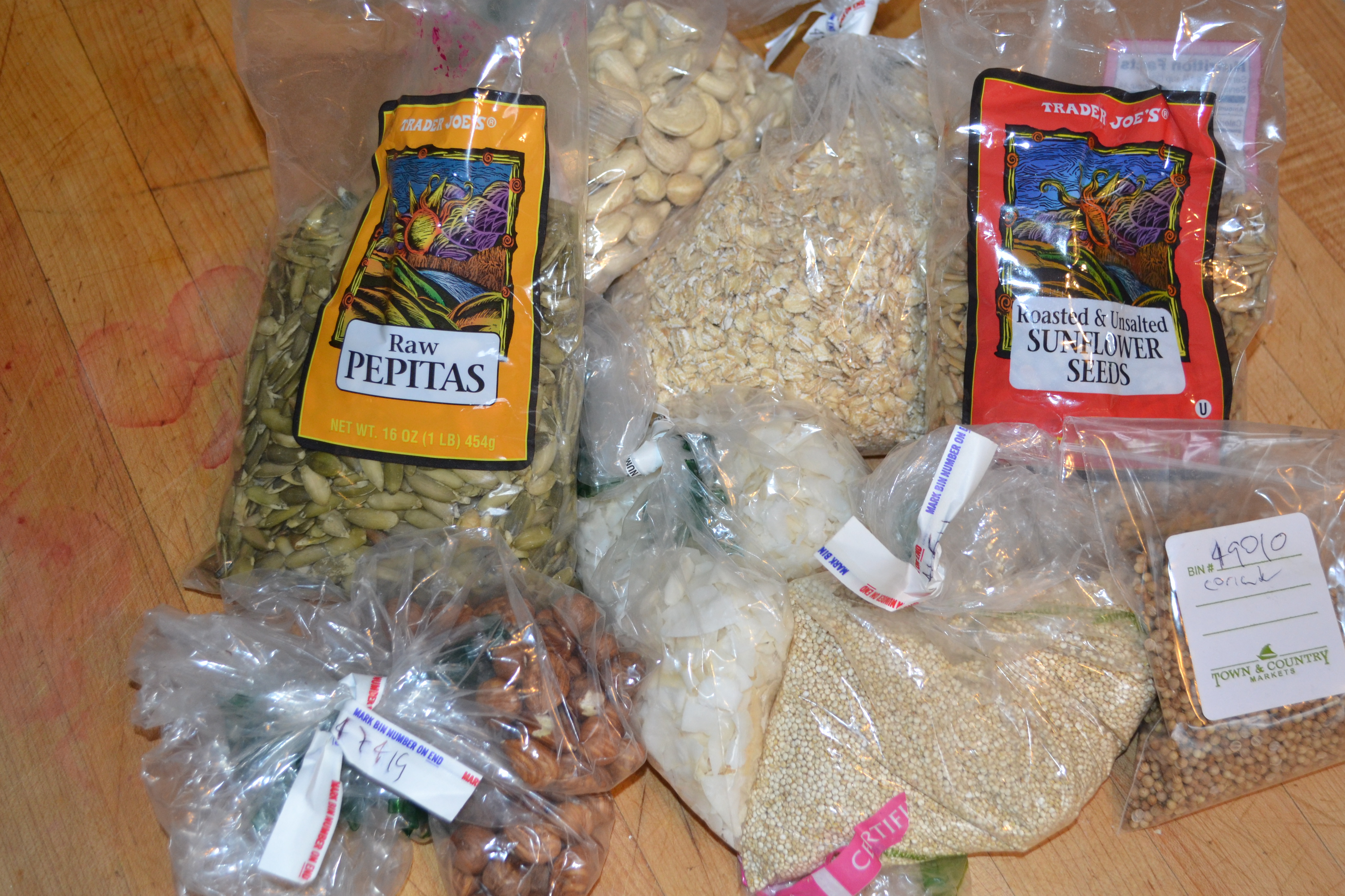
But ideas have a way of taking root, like seedlings, and, based on my consumption of late, and particularly this week, I feel compelled to tell you about the way I am eating now.  The comedian Gallagher once said:  “California is like a bowl of granola.  What ain’t fruits and nuts is flakes.” In addition to dried fruits, nuts and flakes (coconut flakes, that is) I’ve been eating lots of oats and seeds and therefore have been spending a lot of time in the bulk section of the grocery store.

So I think I’ll do what the smart bloggers do: write the post about slow-cooked pork and save it for a week when I’m busy or uninspired.  This week, because seeds are on my mind, in my cupboard and in my ever-expanding middle-aged belly, I’ll tell you about them instead.

In February I mentioned that I had started making granola, and not very originally linked to a recipe I found on Orangette, which was originally posted on Food 52 and which has also been mentioned by David Lebovitz.  Everyone loves Early Bird Foods granola. I make it every few weeks and it’s become Jeff’s and my favorite weekday breakfast.  I like the way making this granola makes me feel, the way it makes the house smell and the routine of it.  I like the illusion of control granola gives me, which is not how I felt about it when I ate it during the years I lived in Northern California, a flakier time in my life.

Early June in Seattle can sometimes be like November in Seattle and it was so this week.  I was seeking comfort food and remembered Shakshuka, an Israeli dish of poached eggs atop sauteed peppers, onions and tomatoes, which I had made on Easter morning.  I got the recipe from Yottam Ottolenghi’s book Plenty and shortly after that, saw a different recipe for Shakshuka from Gail Simmons in Food and Wine magazine.  Trolling around the Internet this week, I found several variations of Shakshuka, including one recipe a devotee said was head and shoulders above the rest because of the addition of Hawaj.  Though I consider myself pretty savvy about international cuisine and the ingredients of the world, I had never heard of Hawaj.  It turns out it is a Yemeni spice blend, favored by Yemeni Jews.  I had fun reading about it in Claudia Roden‘s The Book of Jewish Food and then I decided to make it so I could add it to my Shakshuka. It really did elevate the quality of the dish.  Here’s the recipe I used, though Hawaj, like most spice blends, lends itself to individual interpretation.

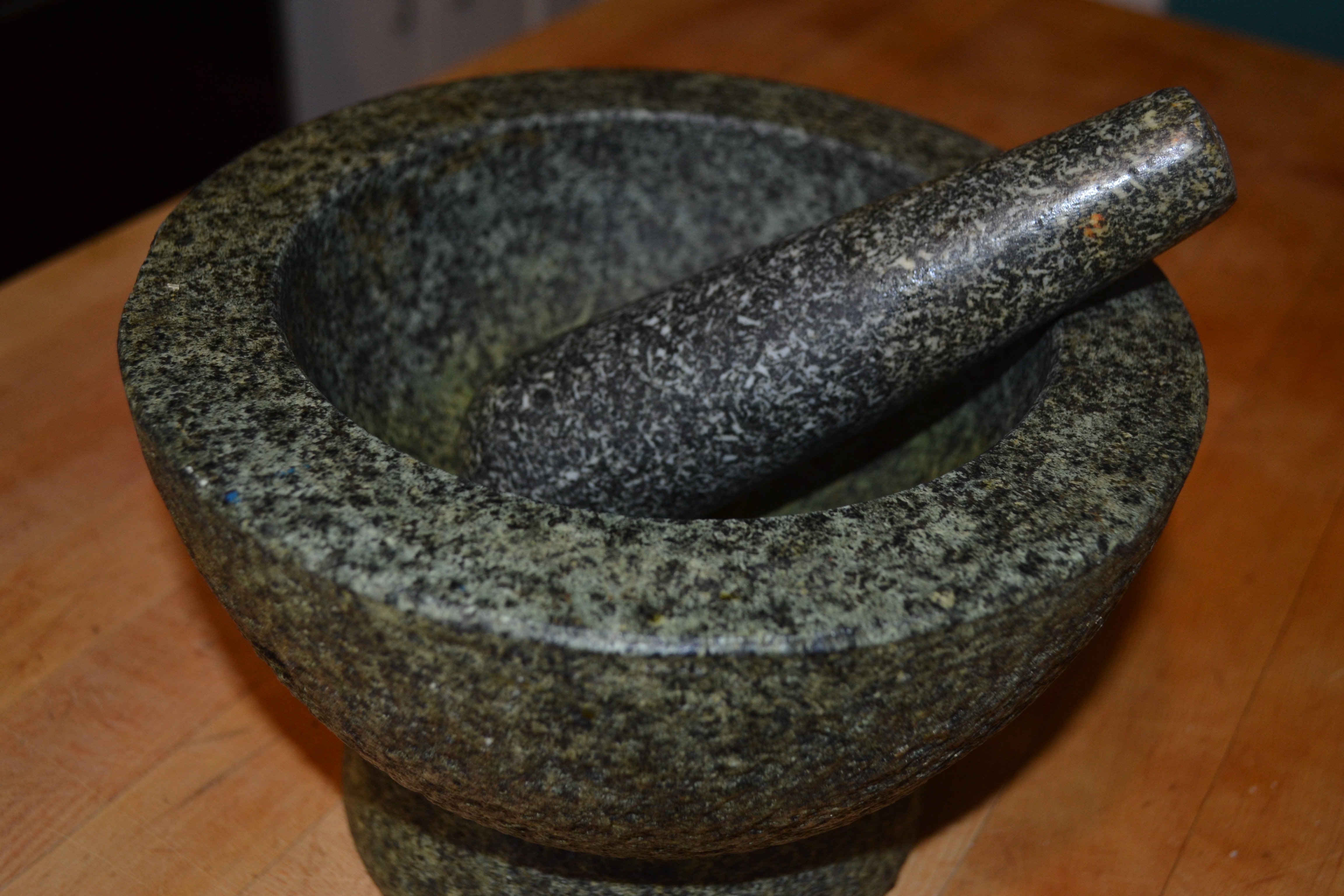
Jeff called, as he often does during his sloggy long commute home, to see what was going on.  There had been a fair amount of adolescent drama, which had worn me down, and I think he was surprised, after telling me about his day and traffic woes, to hear that in my head, I wasn’t in my Seattle kitchen making dinner, I was in Yemen making Hawaj (There is some precedence for this.  I survived the baby and toddler years through culinary expeditions.  You’ll be able to read about it when my book comes out). He arrived home to find me catatonically smashing coriander seeds with my mortar and pestle and wisely did not judge me for my choice of distraction.  I wish I could say that I had been as non-judgmental when I found him staring catatonically at a basketball game on TV several nights this week in response to the “energy” in our household.

Our adolescents are wearing us down.  It’s the end of the school year, daughter #2, just finishing up fifth grade, has a sentimental case of “senioritis.”  Suddenly she’s best friends with all of her classmates, who will soon scatter to different middle schools.  Even the boys are nice. There are skate parties and trampoline parties and luncheons and barbeques and the dreaded FLASH (Family Living and Sexual Health) class.

Daughter #1 has been taking end-of-year tests, sending endless texts and has recently discovered Skype.  Remember how your mother admonished you not to tie up the phone line when you were a teenager?   “You just saw your friends a half-hour ago, why do you have to call them?”  That’s how I sound when I complain about Skype and D#1’s dominance of the computer.  Apparently she, too, will be taking FLASH, the seventh grade version, and I feel for the poor teachers who have to present this material to her randy middle school peers.

Unlike Everyone Else, who seems to have migrated away from Facebook towards Pinterest, I haven’t yet succumbed, fearing yet another Internet time suck.  Instead, I keep food magazines and recipes that interest me in a pile on top of my microwave and once in a while I actually go through them.  For months this pile has included a recipe for Dukkah, an Egyptian nut and spice blend that I learned about from the wonderful food blog The Garum Factory.  If you haven’t already, you should check out the Garum Factory.  In addition to its intriguing recipes, Ken Rivard is a marvelous writer (I keep telling him he should write history books) and his wife, acclaimed chef Jody Adams, offers useful, down-to-earth techniques by sharing her own recipe trials and errors with honesty and humor.

By mid-week the intensity level in the house was really beginning to get to us (Jeff and I even resorted to using our friend D’s technique of taming the females in his household: “Everybody calm the f**k down!”  If you’ve heard of my Battle Hymn of the Jersey Mother, you’ll know that this approach particularly resonates with me).

“That’s it, I’m making Dukkah!” I vowed.

I’ve learned that asking a teenager to shell nuts or fava beans is an excellent way to, in the words of Van Morrison, get down to what is really real.  D #1 dutifully shelled pistachios for the Dukkah and we had a calm, pleasant, enlightening chat before she disappeared to Skype her friends.  Jeff came home and, once again, did not judge when he saw that I had been pretending to be in Egypt.   That night, instead of watching basketball, he and I caught up on Season 7 of Weeds.

The next morning, as I ate steel cut oats with Dukkah sprinkled on top, D #1 confronted us about the hypocrisy of us watching Weeds, especially since the night before, over Pan-Roasted Cauliflower with Dukkah, we had been probing for information about the drug scene at her school  (We were saved by the trademark family sense of humor.  D #1, knowing of my own struggles to fit in as a PTA mom, could see the humor in one secretly becoming a big-time drug dealer, yet still attending PTA meetings).

Middle school.  How will I survive having two kids in middle school next year?  Luckily, so many cultures have their own blends of spices and of nuts and seeds that I should be able to spend the next few years working through my frustrations.

Mother’s little helper

In fact, I like to amuse myself by imagining that Ras-el-hanout, Zaatar, Garum masala, Paanch phoran, Muesli and even Lowry’s seasoned salt were developed by weary mothers of adolescents, much as soccer, basketball, football and petanque were developed by men desperate to get out of the house.

There is growing number of Middle Eastern comedians, who delve into careful, but spot-on humor about their cultures.  I’m sure eventually one of them will follow Gallagher’s lead and remark that the region is like a spice blend.  Take the seeds of dissent, mixed with several dashes of courage and yes, a few nuts, and sweeten them with the taste of freedom.

Related links:

Pushing the Envelope Through Stand-Up Comedy

The Axis of Evil Comedy Tour

Yes, There are Comics in Qatar

I‘ve been on a technology tear lately, building a website and formatting an E-book.  On my to-do list is an overhaul of this blog, featuring a recipe page.  Stay tuned.

Home Alone

This holiday weekend I found myself unexpectedly home alone.

As someone who toggles the stay-at-home mom/work part-time from home lifestyle, I spend a lot of time alone in my house.  I enjoy the solitude and find myself practically shooing the last person to leave out the door in the morning (because of different school schedules, the morning wake-up, breakfast and departure routine is nearly three hours from start to finish).  The alone part of my day (around 4 1/2 hours) never seems long enough and, I’ll admit it here, I am sometimes resentful when a child or a husband stays home sick on a day that I have Things planned.

Jeff travels fairly often for work, so I am also used to being without another adult. It can get lonely, especially on balmy Friday evenings when all I want to do is sit in the yard with him, unwinding from the week over a cocktail. But my daughters are becoming more and more like girlfriends and I often enjoy my time alone with them, watching chick flicks, eating pasta and listening to pop music.

A few weeks ago, in the Sunday New York Times travel section, I read Paradise Lost:  A Mother-Daughter Spring Break, the tale of a mother who had splurged on a Florida resort vacation for herself and her college-aged daughter. It was a disaster, partly because the pricey resort was neither comfortable nor accomodating, but mostly because the mother and daughter, who kept different sleeping and waking schedules, couldn’t find ways to connect with each other.

This was on my mind as Memorial Day weekend loomed and I discovered that I would be spending it alone in Seattle with Daughter #2.  Jeff is an avid windsurfer and from now until September, weekends will be dominated by the quest for wind.

It’s the deal I accepted when I married him and it’s the life I’ve lived for almost twenty years, though over the years his windsurfing opportunities have dwindled as we’ve made accommodations for comfort and Other People’s schedules and preferences.

A month or so ago, Jeff reserved a campsite for us at the Columbia River Gorge, but as Memorial Day weekend loomed nearer, I found myself on the beginning of the roller coaster ride that May and June can be for parents of school-aged kids, and less than enthusiastic about prepping for a camping trip or about camping at all. The kids were also unenthused.

Then things got complicated. Daughter #1 got invited to go to the beach with a friend. The same friend who’d invited her to go skiing in Utah over spring break, when we went to Chicago instead (she reminded me a tad resentfully).

Puppy-like Daughter # 2 did not want to go to the Gorge without her sister, and opted to stay in Seattle, despite the fact that few of her friends would be in town for the weekend and those that would had family plans.  Nobody asked me what I wanted.

Friday after school, with slightly forced enthusiasm, I brought D #2 and a group of her friends to our neighborhood ice cream shop before everyone scattered for the weekend.  We got take-out Cuban pork sandwiches at our favorite beach shack

and I bought tickets for us to see How to Succeed in Business Without Really Trying at a neighborhood high school that night.  So far, so good.

Pancakes Saturday morning and then I went for a run.  When I returned, with a beautiful sunny day stretched before us and the Northwest Folklife Festival and the Seattle International Film Festival going on, we couldn’t agree on anything to do. “I’m glad I’m not an only child,” D #2 said pensively.

I found myself wishing that our puppy, who already has lots of expectations to live up to, were with us. A frustrating, petulant day followed, redeemed in the late afternoon by an outdoor Yahtzee game, cheese popcorn and later, a movie fest.  D #2 saw her first Woody Allen movie.  “He annoys me,” she said.

Sunday was worse and we, who are often at loggerheads these days, had a confrontation over a closet clean-up project.  Desperate to hear another adult’s voice, I turned on This American Life, put in my headphones and went for a walk.  When I returned, D #2 was meticulously organizing all the clothes in her closet.

She was rewarded for her good karma with an invitation to join a friend on a “stay-cation” for a swim at a downtown hotel pool and with a sleepover invitation from another friend. I got to drink wine poolside with the friends’ parents and we all ate fish and chips and strolled the Seattle waterfront.

Buoyed by our fun evening, I hoped the sleepover would be at our house.  But the friend’s desire to sleep in her own bed and the lure of her puppy, made it otherwise.

Which is how I found myself home alone at 10:00 on Sunday night.  In the past fourteen years, I have been home alone thousands of days, but only once or twice at night.  I struggled to remember how I had handled this when I was single.  There were no reruns of Sex and the City and, even if there were, watching it at this stage of my life, I would probably question the wisdom of spending so much money on uncomfortable shoes.

If we had HBO, I would probably identify with the mother, not the Girls of that groundbreaking new show.

I trolled around Netflix for a chick flick and stayed up way too late watching a bad one with Gwyneth Paltrow attempting a British accent.

The next morning, I realized I could make anything I wanted for breakfast and not suffer the consequences of adding preserved lemons, roasted peppers, dried fruit or nuts to the concoction of my choice.  But it seemed like too much work to cook something elaborate just for me, so I settled for an omelette (albeit with prosciutto and comte cheese).

For the rest of the day I forced myself to do things I wanted to do, not things I had to do for other people. I discovered and downloaded the music of Swedish/Argentinian guitarist Jose Gonzalez.  I finally got around to spending the gift certificate I’d gotten for my birthday  almost nine months ago, on Tunisian dinnerware.  I drank a glass of rose in the middle of the afternoon and I cooked things I wanted to cook, without much regard for whether anyone else would enjoy them.  But I also made muffins for the family to eat for breakfast this week and spent part of my gift certificate on a gift for someone else.  I began collecting pictures for Daughter #2’s elementary school yearbook, which I have volunteered to coordinate.

On Facebook I found a link to something called The Opposite of Loneliness.  Written by Marina Keegan on the eve of her graduation from Yale, she worried what it would be like to venture out into the world alone after enjoying the supportive environment of a college campus.  “We don’t have a word for the opposite of loneliness, but if we did, I could say that’s what I want in life,” she said. She never got the chance to figure out how to spend a lonely Sunday night or how to create a new nurturing web for herself because she was killed in a car accident the Saturday of Memorial Day weekend.

When my family came back together on Monday night, I wish I could tell you that it was unmitigated bliss, but it wasn’t.   After gushing about her fun beach weekend (which involved a lot of root beer and YouTube), Daughter #1 took umbrage at having to participate in the usual Monday night ritual of cleaning the cat litter boxes and taking out the garbage.  Daughter #2, who had claimed to miss her sister so much, unceremoniously booted her off the computer. Jeff returned tanned and healthy from his windy weekend, reluctant to jump back into the family fray.

So we all sat together and watched the National Geographic documentary Life in a Day.

Before I knew it, the holiday weekend was over.

Marina Keegan described “these tiny groups that make us feel loved and safe and part of something” and “the feeling that there are people…  ..who are in this together” and her hope that she would once again have this in her life.

I remembered that at the peak of my frustration this weekend, it was Daughter #2 who got out the Yahtzee game, who cleaned her closet and who willingly ate the Lebanese kefta kebobs I made for dinner.

“I’m sorry this was such a crummy weekend,” I said. “Dad and your sister had all the fun.”

She looked me square in the eye and responded, “We had some fun together too.”

With heartfelt condolences to the family and friends of Marina Keegan

And They Called It Puppy Love

Move over, soccer moms.  There’s a new stereotype in town:  middle-aged mothers of middle-grade kids in love with middling (okay,small) dogs.

And I am soon to be one of them.

How to explain the yearning?

What parent hasn’t listened to years of entreaties from kids begging for a dog?  In our case, the begging came mostly from Daughter #2.  When we describe the difference in our daughters’ personalities, we sum it up this way:  Daughter #1 is like a literary cat, who loves solitude and curling up with a good book.  Daughter #2 is like a dog, craving activity,  people and balls.

It was difficult to harden our hearts to Daughter #2’s dog dreams because we knew how good a dog would be for her and, by extension, for the rest of us.  And when your child is naturally inclined towards something, it’s hard to resist.  I say this as the mother who rushed out to buy a discounted piano the night before we hosted a party for 100 people in our cramped 1912 house because our neighborhood piano store was going out of business and because Daughter #2 showed musical promise.

I sobbed as we re-arranged the furniture, so moved at having had the power to grant her wish.  Have I mentioned that now, four years later, Daughter #2 would like to quit piano lessons?

We managed to push aside the dog requests by making sure Daughter #2 had plenty of access to other dogs: her friend R’s dog, dogs in our neighborhood and in her dogless friend B’s neighborhood.  We were never so rash as B’s father RC to make promises such as, “if you clean up 40 dog poops, we’ll consider getting a dog.” Daughter #2 and B have steel wills and have probably picked up 400 poops between them.  RC is on the spot.

Around two years ago, I found myself wavering.  If Daughter #2 wanted a dog so much, I reasoned, why not give her one?  We’re already experiencing family life at full throttle, so what’s one more thing?

This had been my rationale for breaking my anti-rodent injunction when Daughter #1 graduated from elementary school.  A rat, or any rodent with a long nasty tail, was out, but I could live with a hamster.  And live with a hamster I do.  A very sweet hamster named Zen, whom I found on Craig’s list and whom we drove from Seattle to Whidbey Island to get, after several email exchanges and photo sharing with the owner of her birth parents.

It was a bit over the top, but at least I didn’t cry.

Around six months ago, after a particularly heartfelt request from D #2 for a dog for her elementary school graduation, Jeff confessed to me that he was softening (for the record, his opposition to a dog had been our limited yard space. If we moved to a bigger house in the country, he was all for a dog).  A few months after that, I injured my neck and began taking long walks every day, passing a host of neighbors and their dogs strolling companionably together.

“If you get a dog, no matter how much your kids promise to help, the dog will end up being your responsibility,” everyone warned me.

I had a lot of time to think during those walks.  I imagined what it would be like to be responsible for a dog and began listing the qualities my ideal dog would have:  no shedding, easy-going and good with cats,

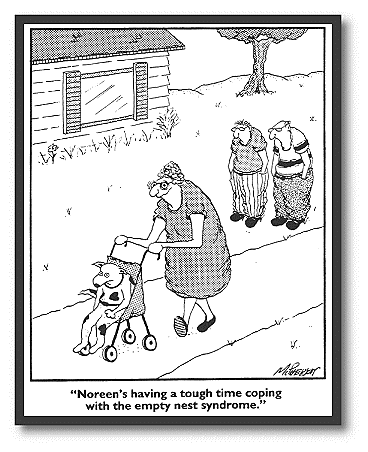
Courtesy of the May 7, 2012 New Yorker

small with small poops.  A far cry from the Lab or Golden Retriever Daughter #2 had dreamed of.

Luckily, her friend G had just gotten a Shih Tzu puppy.  I tested the waters,  Given the choice between a small dog or no dog, which would D #2 choose?

We considered all sorts of breeds before I settled on Havanese, a breed that is growing in popularity.

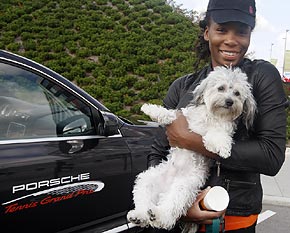
Venus Williams and Harold

I hunted down reputable breeders looking for puppies and we suffered one disappointment when a possible puppy was sold the day before we were scheduled to visit her.

Meanwhile, I trolled petfinders and rescue sites and Jeff, wary of a small, designer dog, suggested we visit shelters.  We found several sad dogs and a few big, beautiful dogs, but none that was right for us.

In the end, I found a lovely breeder named S and things worked out similarly to the way they did when we got Zen, though we didn’t have to drive as far. S invited us to visit her expectant dog and sire, and shared emails and photos when the puppies were born.  Shortly thereafter, just after dropping Jeff off at the airport for a business trip to Taiwan, the girls and I went to S’s house to choose our puppy.

This weekend, Jeff will meet him for the first time. He says he’s slowly getting used to the idea of a little dog, though draws the line at walking the dog if he (the dog) is wearing any article of clothing.

Even if we dress him like Shaft?

The girls have nixed all the great Cuban names we came up with and are hoping that once he meets him, Jeff will agree that the compromise name the three of us came up with is a perfect fit.

While we were en route to meet our puppy, we listened to a rebroadcast of This American Life’s episode In Dog We Trust. In Act 1, The Youth In Asia (which you can also find in his book Me Talk Pretty Someday), David Sedaris reminisces about his family pets.  The death of one of them, he says, felt like the end of an era.

For me, this puppy feels like both the end and the beginning of an era.  I have wondered, with the women I know who love these little dogs, whether they are replacements for our children, who are beginning to stick a few toes out of the nest.

My recent experience with a chronic ailment was a sobering reminder that I won’t always be able to push my body the way I want to.

Courtesy of the New Yorker, May 7, 2012

The dog walkers in my neighborhood all seem to be in pretty good shape, though.

Though I have a few years left as a soccer mom, I can tell I will be entering a new subculture.  My puppy and I already have some summer play dates lined up and I’ve gotten tips on where to find the best groomers in town.

When I think back to those sweet early days, when my kids were babies and toddlers, I didn’t always fully appreciate being in the moment.

I plan to enjoy every (or almost every) moment of our remaining time as a family of four with two cats, one hamster, eight fish (last time I checked) and one dog.