Unknown's avatar

About Slice of Mid-Life

I'm a former world-traveling diplomat, turned minivan-driving mom and writer, now living in Seattle with my husband and two daughters. Update - the minivan is long gone and I'm now a pickleball-playing empty-nester.

Girls in White Dresses with Blue Satin Sashes

My daughters turned 13 and 11 this week amidst Seattle’s Snowmageddon.  We managed to survive a week with no school, a magazine article deadline, a hunt for an ice-cream cake when the streets were caked with frosty, frozen snow, a lively Mother-Daughter Book Group meeting and two birthday parties.  

As things wind down, I’m allowing myself a little walk down memory lane and want to share with you a piece I wrote, which appeared in Seattle magazine’s Balancing Act blog in June 2010.  

 All of us have changed, including Jennifer Carroll, who lost her baby weight and is no longer curvy, but no less ebullient.   I’ll be writing about those changes, including something you don’t hear about so much — parents’ emerging independence from their kids —  in subsequent posts.

Consider this the first installment of what I think of as “The Hormone Chronicles.” 

We are in the dressing room in the juniors department at Nordstrom and my eleven year-old daughter is cringing as she tries on the outfits that her fashion savvy, ”naturally cool” nine year-old sister and I have picked out.

It is fifth-grade graduation time and this old-school mom has proclaimed that Melanie must wear a dress or a skirt to the ceremony.  I have also instigated a movement among her friends’ parents, encouraging them to make their daughters eschew pants for the day too.  The teacher has encouraged the kids to wear something special.  Some of the boys have admitted that they will be wearing suits.

For the past year, Melanie has done everything possible to avoid being noticed.  Her uniform du jour has been jeans, a T-shirt and a baggy sweatshirt.  Her hair is always in a ponytail.  (To add insult to injury, I have requested that she wear it down on the big day).   Though two years ago she was thrilled to get her ears pierced, I have to remind her to wear earrings now.

I get what this is about.  After a year of learning about and experiencing her changing body, Mel wants nothing to do with these changes.   I have found the Old Navy sports bra I had bought at the beginning of the school year crammed behind the refrigerator.   She “forgot” to take the sample sanitary pads they handed out at Family Living and Sexual Health Night.  I was the same at her age, and she enjoys hearing the story of me ripping up each and every Kotex in the package my mother kept in the bathroom closet to be ready for the inevitable.

But now, staring down 50 like a deer in the headlights, it is hard to watch my daughter resist her young womanhood, while I cling so desperately to mine.  I enjoy being a girl now more than I have ever have and view my femininity the way I used to view vacation time – use it or lose it.  Though most days I dress like I did when I was 16, in jeans, a shirt and comfy shoes, I accessorize with care.  When I wear a skirt I feel pretty.  Heels would send me over the moon if they weren’t so uncomfortable. And underwear…

I discovered Bellefleur, the Fremont lingerie boutique, last Christmas when searching for something special to take me out of my drill sergeant efficient mom persona and add a little romance to my life.   I’ve never felt comfortable in “girly” stores (buying a wedding dress was torture.  Thank goodness for the late, lamented low-key Pike Place Market boutique Local Brilliance) and at Bellefleur I expected to be snubbed by a skinny French woman of indeterminate age, who would make me feel like I didn’t belong in her shop.

So it was a delight to discover Jennifer Carroll, Bellefleur’s curvy, ebullient owner, whose book Underneath it All, a girl’s guide to buying, wearing and loving lingerie, is a manifesto for women of every shape and size to allow themselves to be beautiful, not just inside and out, but also, well you get the picture.

The day of my maiden visit to Bellefleur, I saw a mother with her tall, thin, yet big-busted college-aged daughter stocking up on bras, relieved to have found flattering styles that fit.  A medical resident, lamenting lack of sleep, also stopped by for something to perk her up.

On a more recent visit to the new, expanded Bellefleur, still in Fremont, but now located at 3504 Fremont Place North, next to Bliss boutique, Jennifer explained that her clientele runs the spectrum of womanhood.  “Once, we had four generations of one family shopping here together,” she remembers.  “The needs of the youngest member of the family were very different from the needs of her great-grandmother.  We took care of everyone.”  Jennifer’s advice for mothers of newly developing daughters is to include them in the lingerie experience.  “If they see you enjoying lingerie and being comfortable with how your body looks in it, chances are they will be too.”  You don’t need to spend much money on training bras, says Jennifer, but once your daughter’s breasts have truly developed, be sure to get her properly fitted.

On graduation day, to the strains of Pomp and Circumstance, a procession of students in a mish-mash of outfits – fancy dresses with high tops, suit jackets with ripped jeans – galumphed past their proud families.  They then stood at the podium, poised in their awkwardness, and told us what they could do to make the world a better place.  I felt something wet on my nose and eyelashes and it definitely wasn’t snowflakes.

After the ceremony, Melanie lifted her skirt to show me the shorts she had surreptitiously donned, then pulled off the skirt and went out to run around with her friends.  They seem so grownup sometimes, with their iPods and backtalk and bravado.

But underneath it all, I guess they are still girls and boys.

When Life Gives You Lemons…

One of my “day jobs” is education reporter, a role I fell into by accident.  As the mother of two school-age kids, I spend a lot of time thinking, talking and yes, complaining about public education (Jeff can attest to this.  In addition to boring people at parties with talk of fish oil, don’t get me started on the middle school math curriculum).  Because it matters so much to me, I’ve decided that in addition to volunteering in the schools, the best way for me to be part of the solution, instead of merely bitching about the problems, is to write objectively about efforts to improve our imperiled public education system and the people who are working hard to make a difference.

Some have called this the civil rights struggle of our time.

When my mother was dying and I was fighting to make sense of her convoluted Medicare coverage, I became an impassioned advocate for Medicare reform and especially for people of my generation — the sandwich generation — to educate ourselves about the harsh realities of elder care.

If all politics is local, maybe all activism is first and foremost located in our hearts.

Two years ago, I sat in a Starbucks at the Plantation Towne Square shopping mall in Florida with my childhood acquaintance and neighbor Beth.  I hadn’t seen Beth since high school, nearly thirty years before, and had only heard snippets about her life from my mother, who was the human embodiment of a social networking site long before Mark Zuckerberg’s birth, able to provide a status update on pretty much anybody from our hometown.

My mother came to visit me after the birth of my second child bearing Table Toppers, the disposable stick-on placemats that she told me Beth, a lawyer and now mother of three, had invented so that mothers trying to feed their toddlers in public places didn’t have to fret about germs.

To be honest, though I’d always liked Beth, I wasn’t interested in hearing about her innovation and applauding her entrepreneurial spirit.  I was in the full throes of an identity crisis that had stemmed from leaving my prestigious international career to be a stay-at-home mother.  Unlike Beth, I hadn’t crafted a creative new identity that merged my professional skills with my new role as parent. I didn’t want to be reminded that there were other women who, after giving birth, had managed to find fulfilling ways to blend career and family.

I came to Florida to care for my mother, who was scheduled for some outpatient surgery. But when I got there, her condition was much worse than I expected.  Our relationship, which had been strained over the years, was awkward, and so to make her feel better and to pass the time, I let her tell me about people we knew in common, including Beth, who lived nearby.  There had been a tragedy, my mother said.  Beth’s oldest son had contracted leukemia at age 11 and hadn’t survived.

I think it was more than cabin fever that led me to break free of my mother and arrange to meet Beth for coffee.

We sat across from each other and commented on how much we both resembled our mothers.  Beth’s chipper high school class president demeanor now had a careworn veneer, but I noticed she also had her mother’s softness and warm, quiet eyes — qualities I had always admired.

We caught each other up on our lives and the people we knew in common, and then we talked, mother-to-mother, about the unspeakable loss she had suffered.  It wasn’t the cancer that had killed Ian, Beth explained, it was the treatment.  Ian had been diagnosed with T-Cell Acute Lymphoblastic Leukemia (ALL) , a form of cancer that can have a 75-80% recovery rate. But his immune system had been so compromised by the toxic cancer treatment, that, though cancer-free at the time, he was unable to survive the meningitis he had contracted while the “cure” was underway.

Along with frustration over the futility of Ian’s death, Beth and her husband Brad were haunted by Ian’s own feelings about his treatment, which had been painful, isolating and humiliating.  Ian often asked why the “cure” had to hurt so much.

“After Ian died, I felt like I was going through the motions as a parent,” Beth admitted.  “Before his death I had thrown myself into parenting, yet I hadn’t been able to prevent something terrible from happening or been able to shield Ian from pain.  Afterwards, it was hard to get excited about birthday parties and school events for my other two sons.”

But Beth is a more than a turkey-maker, she’s a lemonade-maker. She and her family threw themselves into another innovative, entrepreneurial project — the creation of the I Care I Cure Childhood Cancer Foundation, which raises awareness and money to fund gentler treatments for childhood cancer. To date, the foundation and its partners have raised hundreds of thousands of dollars for cutting-edge, targeted therapies for pediatric cancer.

In addition to its ongoing fundraising, the Florida-based foundation hosts a 5K run and family fun day, so that activism can be a family affair. The fifth annual event will be held on February 12.  There is also a network of I Care I Cure Service Clubs for kids across the country, to share Ian’s commitment to community service with his peers, and new efforts to develop teen service learning projects.  You can learn more about these opportunities on the foundation’s website and/or “like” it on Facebook.

Three months after Beth and I met for coffee, my mother died and a year after that, Beth lost her mother. We live on opposite sides of the country and probably won’t ever see each other again.  Since I don’t have my mother to keep me up-to-date, I’ll have to rely on Facebook to follow Beth’s activities.

There’s a saying that books broaden your perspective because they enable you to lead a thousand lives different than your own. The same can be true of your encounters with other people.  I’m grateful for what I learned from my mid-life reacquaintance with Beth, just as I’m grateful every time I get to interview someone for an article and learn what motivates them.  We can’t always and don’t always want to walk a mile in someone else’s shoes.  But we can listen to them share their experiences.

I’ve had a recent bump in readership and subscribers and I want to thank you all. Through this blog I have reconnected with old friends and have made new ones too.  One such person is Ken Rivard, who with his wife Jody Adams, writes the wonderful food blog The Garum Factory.  During my musings about the feasibility of mid-life activism, Ken, who I think of as a wise older brother, commented, “I think the hardest thing, the older you get, is to shake yourself out of the habitual rut of your own life, your own perceptions, etc. and remember when the world was wide open.”         .    

When life gives you lemons, you make lemonade.  When the situation is not so drastic, say on a gray weekend morning when you are waiting for snow, do yourself a favor and make these Lemon-Bay Scones with Currants, courtesy of the Garum Factory.  When you look at the recipe, you might initially be daunted by the effort involved in making and freezing bay leaf and Meyer Lemon-infused brown butter.  Don’t be.  It sounds harder and more time-consuming than it actually is.  And, like activism, once you set your mind to it, you’ll be glad you did.

Prime Number?

Here’s some worthwhile reading, courtesy of today’s Sunday New York Times:

Get a Midlife

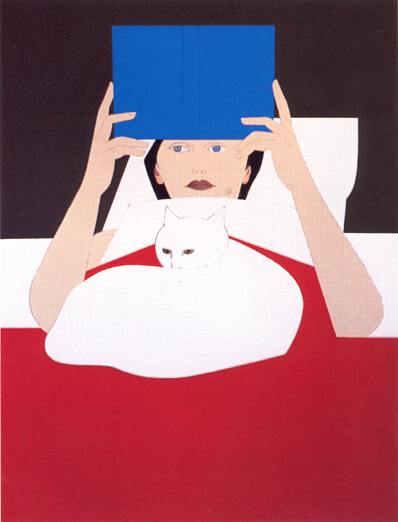
I did not read this article in bed, but I will be adding In Our Prime: The Invention of Middle Age to the stack of books on my bedside table.

Upstairs, Downstairs

First week of the new year and I feel like I’m recovering from jet lag, despite the fact that I didn’t go anywhere.  I’ve been dragging myself out of bed at 6:00 a.m., am exhausted by 9:00 a.m. and brain dead by 8:00 p.m.  Though I didn’t exactly vacation during the holidays — there were special meals to prepare, houseguests to host and lots of laundry and dishes — the absence from our usual routine was refreshingly stress-free.  We slept in, watched multiple episodes of Downton Abbey and ate whatever we wanted, whenever we wanted.

No sooner did January begin, then the onslaught of emails and calendar commitments began, along with a series of professional and personal deadlines, resulting in a feeling of impending doom.

It doesn’t help that the Seattle winter rain has begun in earnest, making excursions, especially evening ones, bone-chilling and soggy.  No wonder Daughter #1 wants a cloak for her birthday.  Cloaks make venturing out in nasty weather seem dashing and romantic, not mundane and pitiful.

Let us be off to piano lessons!

Thank goodness for books.

One of my New Year’s resolutions is to finish the ever-growing stack of books on my bedside table.  Usually I have so many magazines and newspapers to read that the flow of my book reading is constantly interrupted (kind of like trying to work with the alluring distraction of email, Facebook and Linked in). I’m in a Mother-Daughter book group and a grownup book group, so am often juggling multiple tomes. Plus, I’m usually so tired by the time I crawl into bed that I tend to fall asleep with the book, newspaper or magazine on my face.

I have a pretty big stack of back issues of the New Yorker too

But while I was sick, I took to my bed for a few days and read.

Books.   One at a time, for hours at a time.  Just like I used to do when I was younger and didn’t have to contend with the competing distractions of electronics and other people.

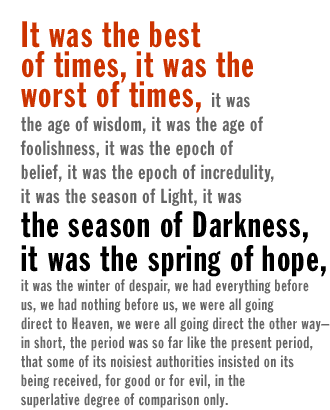
I read Iranian-American chef Donia Bijan’s delightful memoir Maman’s Homesick Pie (and used her mother’s delicious fruit and pine nut stuffing recipe for our Christmas dinner) and finished A Tale of Two Cities, a book I hadn’t read since high school.  There is something very satisfying about reading a book with a famous first line and a famous last line, though when you try to apply these to say, the middle school experience, sometimes people don’t fully appreciate the comparison.

I read Day of Honey, journalist Annia Ciezadlo’s memoir of food, love and war (complete with recipes) in Baghdad and Beirut, which also includes such universal topics as mother-in-law clashes and spousal career clashes (as in, “I gave up my job to follow you to a war zone, I’m just beginning to establish myself as a freelancer and now you want me to leave?!”).

One of my favorite scenes in the book is Ciezadlo’s description of dodging gunfire aimed at her kitchen window to make sure the pasta wasn’t overcooked —  a woman after my own heart.

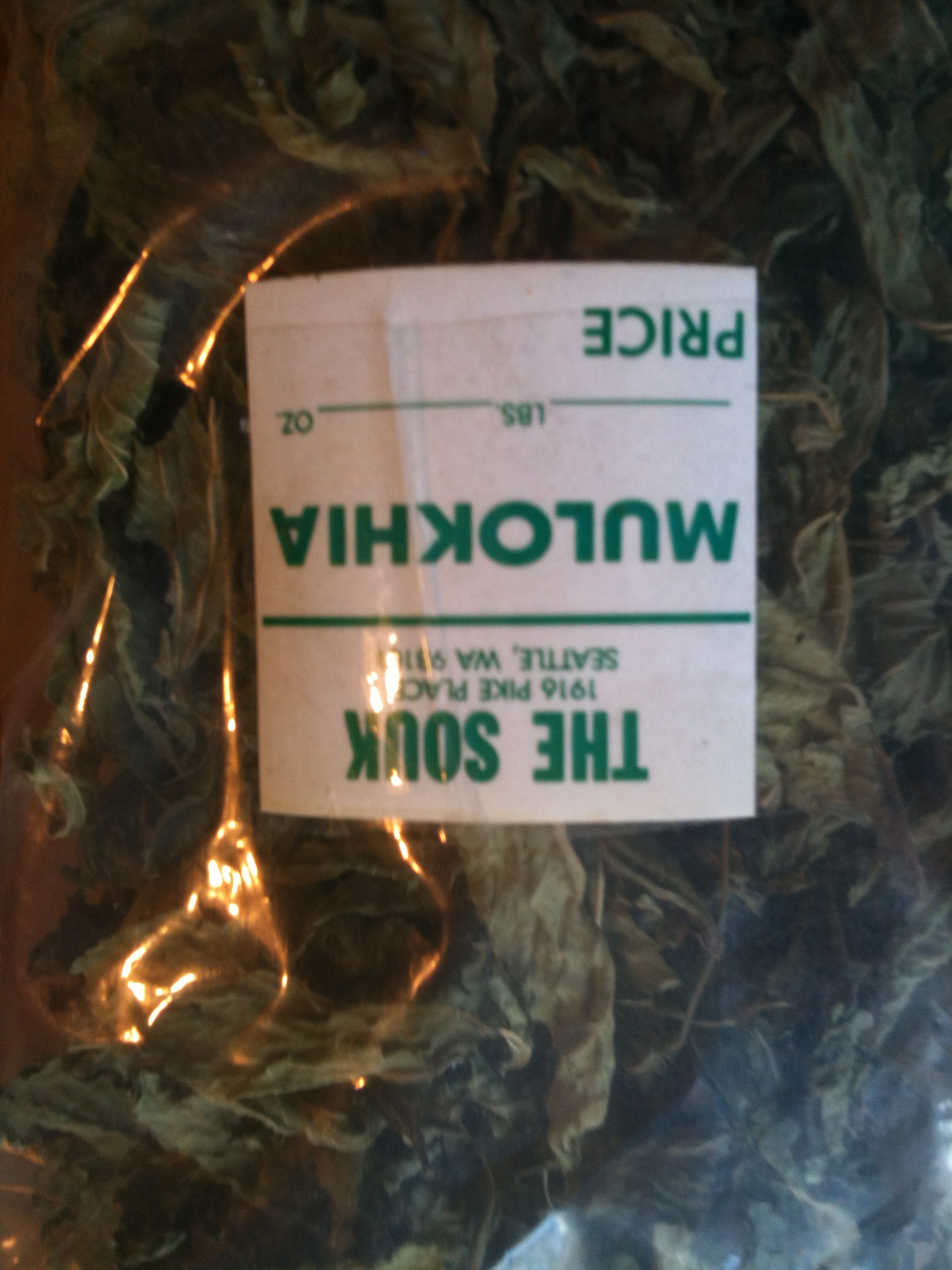
She has an especially garlicky recipe for melokeya that enticed me to buy some of the dried leaves so I can try it.

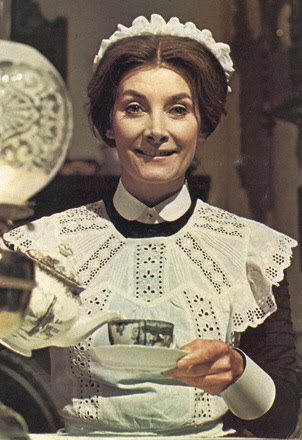
The women of Downton Abbey don’t appear to read books,  but the “upstairs” ones seem to spend an inordinate amount of time in their bedrooms resting, despite the fact that they have no jobs or household responsibilities, other than plotting and dressing for dinner.  Their bedrooms are like fortresses, impenetrable from the demands of public life.

We all know that in modern life, we are more like “downstairs” women (see paragraph one), though not as properly turned-out.

So as an experiment, and out of desperation, during the first few days of re-entry week, I tried heading upstairs to my bedroom in the early evening to “rest” with a book. (Michael Ondaatje‘s The Cat’s Table).  I’ve since decided that books will be my “upstairs” reading and magazines, newspapers and Facebook (where I get many of my ideas about what to read, courtesy of NPR, Slate, Salon, the Atlantic and my other “likes”) will be left downstairs.  The true test of this approach will come this Sunday night, when I have to forego the temptation to get into bed with the Sunday New York Times, my guilty pleasure.

Someone I know will appreciate the extra space

Work will also be upstairs, in the office, instead of downstairs at the dining room table, where’s it’s too easy to throw in a load of laundry or soak the beans for Boston Baked Beans, the first of many colonial cooking endeavors we will undertake this month, courtesy of Daughter #2 and her creative teacher Ms. P.  (I am envisioning an amusing twist on European Chicken Night, a F**k You, European Tyrants! recipe for Chicken and Wild Rice).

I’m not telling you anything you don’t already know.  By mid-life, we’ve had years of dueling January admonishments to eat a more healthy diet, exercise more, be more productive, but also to take time for ourselves to stop and smell the roses and unplug (see what Pico Iyer had to say in the New York Times on the joy of quiet.  I read it last Sunday night in bed).

We also know that come early February, all of this will be forgotten in the push to promote romance and expensive chocolate.

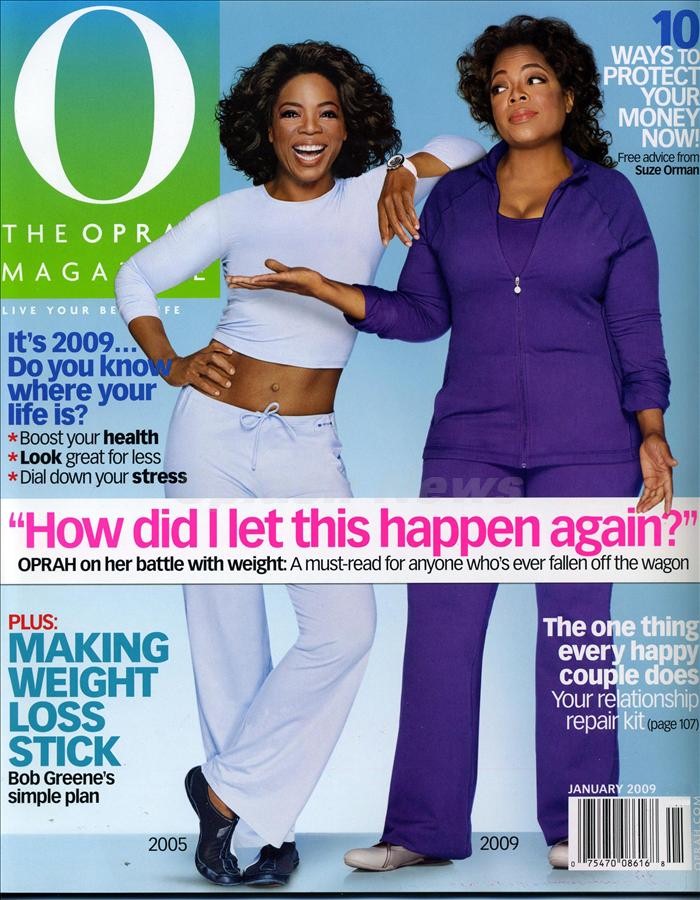
I sometimes entertain myself by imaging the editors at O magazine, fed up with devising countless different magazine covers enticing us to “live our best lives”, creating a “dummy” issue:

Don't Bother

Stick With Your Dead-End Job Till Retirement

You Can Buy Bigger Clothes in Smaller Sizes at Target

I leave you now to exercise and tackle those pesky deadlines, while the Boston Baked Beans are in the oven.

But know that tonight, when I head upstairs and take to my bed with my book, to paraphrase Sydney Carton, whose fate was far more gruesome and noble than mine will be this evening, “it is a far, far better rest that I go to…”

Scentiment

Thanks to the miracle of antibiotics (which lasts for ten days, instead of eight), I’m my old, energetic self again and happy to get back to writing.  Sandra Tsing Loh gave me the perfect opening to begin a conversation on this bog about what an aunt of mine used to darkly refer to as “The Changes.”

But seriously, it’s Christmas Eve.  Does anybody really want to read or write about menopause?  I think not.

Instead I want to write in praise of sweet-smelling women.

When I was a little girl, my mother and all of the capable, well put-together women I knew each had her own distinctive scent. If you know anything about the alchemy of perfume, you’re aware that the same perfume mixes with an individual’s body chemistry to produce a unique aroma.

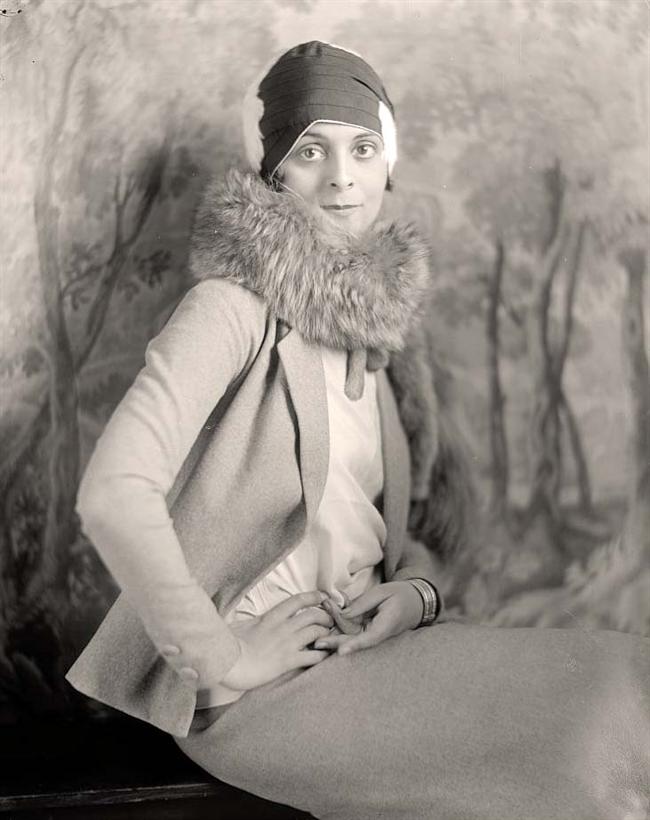
At holiday time and at other family gatherings, I loved breathing in the symphony of scent that was produced by a roomful of grandmothers and mothers and aunts and great-aunts. Greeting them at the door, gathering their coats and my great-grandmother’s fur stole, I’d give myself over to the mixture of scents that was my heritage, as the women of my family bustled around the kitchen to make things special.

Friends’ mothers and grandmothers had their own scent, just as their families had their own traditions.  If you complimented a women on her perfume, she’d proudly name her signature fragrance — Joy, Fracas, Diorissimo and, of course, Chanel Number 5.

My mother went through perfume phases — moving on from Jackie Kennedy-inspired French traditional elegance to freer pheromones.  Remember Charlie?  You could track the changes in social mores from the 1950s to the 1980s by the scents she wore.

These days there is less of a divide between girls and women.  I still dress pretty much the way I did when I was sixteen, in jeans and clogs and comfy sweaters.  So do most of my friends. Our kids call most of us by our first names.

So it makes me happy when my daughters identify me with my scent (these days it’s Euphoria by Calvin Klein, though I miss my more exotic past, which was accented with Samsara by Guerlain).

I hope it instills in them the same sense of trust and belonging that I so loved as a girl.

The other day we were in the mall and found ourselves in the perfume section at Nordstrom.  Though so many of the elegant touches I remember as a girl, like after-dinner mints, have faded away, you can still get perfume samples at Nordstrom.

Daughter #2 tried Chanel Number 5 and I explained its historical and cultural significance.  Then she pranced over to a display table with more contemporary scents and sprayed them on over the Chanel.

I cringed momentarily at the aromatic collision and then smiled, thinking of the joy that awaits her and her sister as they experiment with the scents that will accent their lives.

We drove home in a car that reeked with what I referred to as Katy Swift Bieber as the girls clutched their perfume samples.

I wish perfume was not just another commodity in the branding of a superstar.

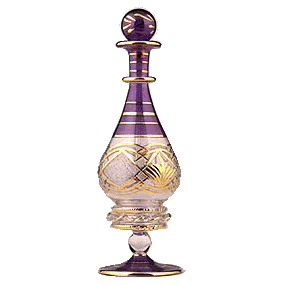
Once in a while I encounter a woman who smells so good I feel compelled to  compliment her.  And once in a while someone asks me a question you don’t hear very much these days:  “What are you wearing?” and they are not wondering about my clothes.  My step mother-in-law (happy birthday ESMIL) is one of those sweet smelling women.  When she comes to visit, she unpacks her mini perfume containers and arrays them in the guest bathroom.  Her bathroom at home is similarly arrayed with beautiful glass vials. I hope she knows how happy this makes me.

There are women, such as Jane GrossDorie Greenspan, Jane Brody and Lisa Belkin, who I classify as “sweet-smelling women.”  I still have so much to learn from them.

My mother and grandmother are no longer alive to share holidays and traditions with.  Every year we make latkes to honor my grandmother and keep alive one small piece of my heritage, that can be passed on to my daughters.

And every day I wear perfume, partly for me, and partly for them, so that its scent is imprinted in their memories.

May you enjoy the sweet-smelling women in your lives during this holiday season.   If you’re so inclined, ask them about “The Changes” they’ve experienced.  And then let’s talk about it in the new year.

Happy Holidays.

The Bitch Is Back – The Atlantic

I stumbled upon this today when I was feeling blue and overwhelmed by all the holiday stuff.

It’s one of the funniest and best descriptions of perimenopause and menopause I’ve seen.  It’s worth reading if you are a “women of a certain age” or someone who loves one.

Thank you, Sandra Tsing Loh.

The Bitch Is Back – The Atlantic.

Food for Thought

Thanks to everyone who sent me get well wishes.  As it turns out, my illness was usurped by the needs of my family.  Jeff was diagnosed with pneumonia, there has been an outbreak of pneumonia in daughter #2’s school and though she doesn’t have it, she has had a cough she can’t shake, which necessitated several trips to the doctor.  Daughter #1 had to weather the slings and arrows of growing up this week and our rat-catching cat Cheeto awoke with one eye glued shut and a pitiful look in his other eye.   What choice did I have but to get better and fast?

In our family, this is known as “gazumping” ( taken from a mercenary British real estate practice but, as Lemony Snicket would say, a word which here means trumping someone else’s misfortune with more dire circumstances of your own).   As my friend and fellow mother Lauren ruefully stated, “You get three hours to be sick before everyone else needs to be taken care of.”

Ain't it the truth

So it’s only now that I’ve had a chance to compose that serious post-holiday entry I promised.

The people we shared our Thanksgiving dinner with this year ranged in age from two to 89. This is unusual for us and it offered the opportunity to consider life from a variety of perspectives.

As two year-olds do, ours looked upon everything with fresh eyes, brightening the most mundane of tasks with his enthusiasm. In the weeks since he’s been gone, as I shamble downstairs in the wee hours to make the morning coffee, I can hear the faint echo of his sweet voice counting the coffee scoops with me in English and in French. It keeps me going until the caffeine kicks in.

"Un, deux, trois, quatre...."

The 89 year-old is revisiting great literary works and told me that during a recent bout of insomnia, she deconstructed a T.S. Eliot poem.  I hope that when my life is no longer ruled by “To Do” lists, I will use my inadvertent waking hours as wisely.

And the 20 year-old college student, so sure of everything, reminded me of those heady days of discovery – foreign film, jazz, philosophy — and above all, certainty in the face of uncertainty.  Even if you had no idea what life held for you post-graduation, you were sure  that you were going to make your mark on the world in a way that your parents never had.

The Sunday after Thanksgiving, we attended the memorial service for our friend Kim. Though, like any human being, he lived a full, rich, yet sometimes flawed life, much of the focus and many of the comments at the service dealt with his later years, when he served as a human rights advocate and a teacher, and especially the past four years following a debilitating stroke, when he served as an inspiration to everyone who knew him.

My favorite remarks at the service were made by Kim’s brother-in-law Kevin, who met Kim as a young man often at odds with the father whose namesake he was, and with whom he maintained a 40+ year- relationship.  Kevin read excerpts from the eulogies both he and Kim had made at Kim, Sr.’s funeral.  By then Kim, Jr. had made peace of sorts with his father.  It was interesting, Kevin told us, how many of the qualities he and Kim had admired in the father could also be attributed to the son. Thanks to Kevin’s remarks, I got a glimpse of the full measure of our friend as he developed over a lifetime.

The morning after the service, Jeff told me he had had trouble sleeping.  In what I now characterize as our “quiet desperation” conversation, he said that when he considered the impact Kim had had on the world, he worried about his own contributions or lack thereof.

For here we are at 50 – not two, or 20 or 89. We have mouths to feed, to-do lists to work through and events, both fortunate and unfortunate, to contend with. Though we, as Voltaire suggested, strive to tend our own gardens with care, raising responsible citizens, making soup for sick friends, volunteering at schools, coaching soccer teams and occasionally donating money for tsunami relief and holiday food banks, during those inadvertent waking hours, we may wonder if our contributions are enough and whether we  feel fulfilled by the choices we have made in our lives. No matter how pressing our own needs, there is always someone who can gazump us with far more urgent problems.  There may also be lingering regrets about roads not taken.

A 900-word blog is not the place to provide answers to the big questions of the human condition, which philosophers and religions have grappled with since time immemorial.  But it can be a venue for discussion, especially now, during holiday and resolution season, when many of us strive to be our best selves.

For those of you approaching, at or past mid-life (however you choose to define it), I’d like to know your thoughts on this.  How have you reconciled your life choices? Do you have plans for your senior years that involve “giving back” in some way? Or will that be the time when you finally get to sing your song?

Forgive me if this seems irreverent, but I have a recipe that I think complements this train of thought .

I often feel like my best, most virtuous self when I eat kale.  Given the preponderance of kale recipes I’ve seen lately, I sense I am not alone. This one comes from Food 52.  It’s very easy to throw together and is a welcome, crunchy change from self-indulgence, yet is fulfilling all the same.  Don’t tell your kids they are eating kale.  Call it salad and they will eat it. And don’t forget to use the nifty method for separating the kale leaves from the stems that I learned from the Garum Factory. I feel as wide-eyed as a two year-old whenever I do.

Kale Salad with Apples and Hazelnuts (adapted from Food 52)

Serves 4

5 cups curly kale and mustard green leaves, torn into small pieces

(I used only kale and it was fine)

2 scallions, trimmed and thinly sliced on the bias

2 tablespoons olive oil

1 tablespoon brown rice vinegar

(I used regular, unseasoned rice vinegar)

Sea salt and coarsely ground black pepper

1 tart apple

1/4 cup hazelnuts, chopped and toasted

1/4 cup pecorino romano or parmesan, shaved with a vegetable peeler

  1. In a large bowl, combine the kale, mustard greens, scallions, olive oil, vinegar, salt and pepper. Mix with your hands to really blend the dressing and rub it into the greens. Let the salad sit while you prepare the rest.
  2. Core the apple. Thinly — like, super thinly — slice the two halves from stem to flower end. If you have a mandoline, that’s the easiest way to go. Add the apples to the salad and gently fold together so they don’t break in half. Taste and adjust seasonings.
  3. Spread the salad on a platter. Sprinkle with the hazelnuts and cheese shavings.

courtesy of The New Yorker

Blessed are the Turkey-Makers

There are serious post-holiday blog entries to be written about multi-generational interactions with family, making a difference in the world and whether you should make the same stuffing each Thanksgiving because your children and grandchildren will cherish the Proustian memories it invokes long after you are gone.

 I feel this way whenever I make sweet potatoes with marshmallows on top,

despite the fact that a certain person in my household scoffs at this paean to the Thanksgivings of my youth, even though he has a strong Proustian response to the ridges in jellied canned cranberry sauce.

I married him anyway and serve it beside the fresh stuff. (Our daughters diplomatically eat both “mom’s” and “dad’s” cranberry sauce, but let the record show that they LOVE mom’s sweet potatoes with marshmallows on top, a dish I am confident will be eaten by my great-great grandchildren, long after the desire to eat anything from a can has been bred out of the family line).

Ideas for my serious post-holiday blog entry have been bubbling to the surface like soup dumplings for the past several days and I have been looking forward to setting them down on my screen and weaving them together.

But not today.  Today I am sick in bed.  In fact, I am typing this from my bed.  If you knew me you would be shocked to hear that I am in bed, as I’m one of those people who rarely gets sick and if I do, I keep functioning at full throttle.

Years ago, I began referring to people like me as turkey- makers:  we roll up our sleeves and pitch in without being asked,

We also know how to improvise

we make chicken matzoh ball soup for sick family and friends, we volunteer as a matter of course and we sometimes forget to take care of ourselves.

Not all turkey-makers are women and not all women are turkey-makers but, just as there seems to be a gender-related pre-disposition towards watching football and waiting for pie, the same can be said about turkey-makers.

Even when I’m not sick, one of my favorite ways to spend the day is cooking and writing.  So as a way to heal myself, since there is nobody around to make or bring me soup, I’m doing just that, with intermittent stints in bed.  Here are the highlights from a day in the life of a sick turkey-maker:

6:15 a.m. – begrudgingly awaken so I can make breakfast and pack lunch for the middle-schooler, who will surely complain about the injustice of having to get up so early after four days off from school.

7:30 a.m. – eye the butternut squash that did not get used during Thanksgiving weekend and peruse my many recipes for butternut squash soup.  Though I am sorely tempted by one I have not yet tried – Butternut Soup with Pear, Cider and Vanilla Bean from Molly Wizenberg’s book A Homemade Life, we have no cider and the goal is to avoid a trip to the store.  Instead I settle on the butternut squash soup from The Vineyard Kitchen by Maria Helm Sinskey.  If you are looking for holiday gifts, I recommend this seasonally-organized collection of recipes that always seem to turn out well.  I also recommend Molly’s book, for the stories as well as the recipes, and her charming blog Orangette.

9:15 a.m. – buoyed by the fact that daughter #2 woke up and got ready for school without a fuss, I head off to aerobics class with plenty of tissues in my pocket.

9:45 a.m. – back home again after realizing that jumping jacks, throbbing heads and runny noses are an unfortunate combination.  I throw the butternut squash in the oven and get into bed with the Sunday New York Times and a mug of Darjeeling tea.

10:45 a.m. – I’m out of bed, the squash is out of the oven and I decide to finally get around to making the ginger molasses pumpkin bread from Food 52 that I’d meant to have on hand for our holiday houseguests. I’m hoping that this can be my new go-to pumpkin bread to replace Joan Mondale‘s pumpkin bread recipe that was given to me when I moved to Washington, DC in 1982.   I go back to bed with my computer.

11ish  a.m. – As the spicy smell of the pumpkin bread makes its way upstairs and manages to penetrate my blocked nasal passages, I feel as comforted as if there were a Jewish grandmother in the house.  The long-forgotten country- western song I’m My Own Grandpa comes to mind when I remember that I am both patient and nurse.

11:45 a.m. – The Food 52 recipe comments warn that determining the “doneness” of the pumpkin cake is deceptive and it is easily undercooked.  I leave it in for fifteen extra minutes and peel and slice the squash.

12ish p.m. – While the bread cools I make a package of instant Tom Yom soup bought and kept on hand for just such an occasion.  I notice the noodles are green and are made with morohetya, which I have never heard of.  I have a hunch, which is confirmed, that morohetya is another word for melokheya, also known as Egyptian spinach, and the eponymous garlicky soup, which is one of Egypt’s most popular national dishes and one of the world’s best soups.  I wish I had some now. (You’ll find two different recipes by clicking on the related links).

12:30 p.m. – My husband, who has many fine qualities despite his appalling taste in cranberry sauce, calls to say hi and when he realizes I am sick suggests I stop cooking and take care of myself. I partially follow his advice and call S., now fully recovered from  pneumonia, and ask her to bring daughter #1 to tonight’s soccer tournament game at the other end of town at rush hour.  I feel better already.

I’m pretty sure the pumpkin bread is overcooked.

Here’s where things get tricky for a sick turkey-maker. I got so involved in cooking and writing that I forgot to go back to bed.  The kids will be home soon, I still have to make the butternut squash soup and the biscuits I’d planned to go with them, which I forgot to tell you about and which may be overly ambitious, even for me.  I also need to put together the graphics and links for this post and manage to get some rest so I can head out into the world tomorrow and be a productive member of society.

But I don’t want to leave you without a recipe. Before we had kids and had to ration our cooking of spicy foods, our favorite recipe to cure almost all ailments was Armenian Chicken and Lentil Soup with Dried Apricots.  We used to keep a supply on hand in the freezer all winter in Tupperware containers labeled ACS. I think I got the recipe from the Washington Post in 1994 or so.  The bit of recipe sleuthing I just did (instead of going back to bed) indicates that this recipe may have come from a book called Chicken Soup Cookbook by Janet Hazen.

And in case you were worried, I managed to salvage the pumpkin bread by spreading it with Peach Preserves with Vanilla and Bourbon, made by Deluxe Foods and purchased at our very own Ballard Sunday Farmer’s Market.  Check out their website for holiday gift ideas (they ship) and places to purchase.

For all the turkey- makers out there, this one’s for you.

Armenian Chicken and Lentil Soup with Dried Apricots

1 large onion, diced

3 cloves garlic, finely chopped

1 1/2 tablespoons sesame seeds

2 teaspoons each ground mace and cayenne pepper

3 tablespoons olive oil

1 cup dried red lentils, sorted and washed

12 cups chicken stock

1/2 cup minced, dried apricots

2 cups shredded cooked chicken

1/2 cup lemon juice

salt, pepper to taste

In a heavy-bottomed 6-quart saucepan, cook onion, garlic, sesame seeds and spices in olive oil over moderate heat for 5-7 minutes, stirring frequently.  Add lentils, chicken stock and apricots and bring to as boil over high heat.  Reduce heat to moderate and cook 40-50 minutes, until lentils are very tender. Add chicken and lemon juice and cook 5 minutes longer.  Season with salt and pepper and serve.

A well-loved recipe

Freeing My Inner Gloria

This weekend I had the honor of participating in the Ballard Writer’s Book Slam, featuring 22 writers from our neighborhood (must be all the coffee shops) reading for three minutes each as well as delicious food and drink.  The event was organized by Peggy Sturdivant, neighborhood champion and author of the At Large in Ballard column and blog.  We had a great turnout.  I encourage you to check out these fine authors.  

Sri Lankan Love Cake - as sticky and delicious as love itself. (you'll find the recipe in my previous post)

Here’s my three minutes of fame:

Shortly after I turned 50, I began taking a Zumba class at the Sonny Newman Dance Hall in Greenwood.  Taught by an infectious Peruvian woman named Ida, the participants come in many shapes, sizes, ages and nationalities and even include one 60 year-old transgender person in pink sweats. While we attempt a series of complicated salsa and meringue steps and the cha, cha, cha, Ida carries on a running commentary, translating the meaning of the songs. “Oh,” she wails.  “It is so sad!  He loves you, but he cannot have you, because you are promised to another.  But he says he will always wait for you.  Now esqueeze your butt chicks!”

I am intoxicated by the music, my classmates and especially by Ida, whose voice and personality remind me of Gloria, the passionate, outspoken buxom Colombian trophy wife played by Sofia Vergara on the sitcom Modern Family.  We all are. When a hip -hop band commands “If you’re sexy and you know it, clap your hands,” everybody makes some noise.

Not long after I began dancing Zumba, I found myself in the bathroom, brushing my teeth side-by-side with my husband, who had been away on a business trip.  He looked fondly down at me, in my cheerful green pajamas, and said “My wife, the pickle.”

Not me

Me

He called in our twelve year-old daughter.  She is savvy enough to bank brownie points whenever possible, so when she saw the frozen look of horror on my face she said, “Actually mom, I think you look more like a snap pea.”

I’m pretty sure that was the moment I decided to liberate my inner Gloria.

The original plan was to dress like Gloria, talk like Gloria and act like Gloria solely for the benefit of my family, waiting for them when they came home from work and school.

My friend L, who is going through a divorce and knows a thing or two about personal transformation, had other ideas.  “You need to be Gloria all day.  You have to go to the grocery store as Gloria, pick the kids up from school as Gloria …”

I imagined myself in the organic produce section of the Ballard Market, leaning forward to reach a zucchini, in stiletto heels and a buttocks-hugging pencil skirt, ample cleavage spilling out of my tight blouse, calling for help:  “Excuse me, can you get me a tickitini???”

Though Ballard has its share of artists and tattooed moms and restaurants worthy of review in the New York Times, it still bears more than a passing resemblance to Lake Wobegon.

I couldn’t go through with it.

So I settled on being Gloria for Halloween and I started a blog instead.

As all of the writers in this room can attest, putting your work out there can be as intimidating as pretending to be Gloria in the Ballard Market.  There will be editors and agents and critics and inner voices who may tell you that your work isn’t good enough or that your book can’t be marketed to fit into one of today’s popular genres.

But as Michael Schein said at this gathering last year, if you want to write, write.  Don’t worry about whether anyone will read what you write, just write.

And if you think you are sexy enough, then dance the meringue, even if you are a 60 year-old transgender person in pink sweatpants or a 50 year-old minivan-driving mom who looks like a pickle.

Revel in your crunchy, sassy, half-sweet, half sourness and don’t forget to esqueeze your butt chicks with passion and with pride.

Seeing the World in a Grain of Rice

Last week was one of sugar highs and lows.  Halloween on Monday, resulting in way too many Snickers bars lying around the house in plain sight,

disheartening presentations on education reform Tuesday and Wednesday, and the early morning discovery of a dead rat at the bottom of the stairs,

The guilty party

an exhilarating Thursday (culminating in a satisfying European Chicken Night featuring a simple recipe for Chicken Dijon, courtesy of the October issue of Food and Wine magazine) and a dismal, rainy Friday in which we learned of the passing of our dear friend, Kim.

Saturday morning was brighter than expected. I headed to Seattle’s Fremont neighborhood to Book Larder, a new community cookbook store, to see Adam Gopnik, long-time New Yorker writer, and author of the new book The Table Comes First  Family, France and the Meaning of Food, a book he says is about how food comes to us from our hearts and minds.

Book Larder has gotten a lot of well -deserved press since it opened last month. Born from the passing of another Kim, Seattle book impresario Kim Ricketts, it’s a place for people who love food to come together and is an important addition to our city’s independent booksellers.

Adam Gopnik’s Paris to the Moon is one of the books that transformed me. I’m not sure whether Gopnik or one of his reviewers said it first, but his writing is about seeing the world in a grain of sand.

The book came out in 2000, when I was the mother of a toddler and soon-to-be- mother of a new baby and the way I viewed the world was already in the process of transformation. On our refrigerator hangs a Get Out of Jail Free Card, Good for a Reading by Adam Gopnik, placed there by my husband Jeff, who was watching me struggle to navigate the passage from world-traveling career woman to stay-at-home mother, and noticing how the small moments in life suddenly meant the world to me.  I’ve made use of the card every time Adam Gopnik has been to Seattle ever since.

You should know that Adam Gopnik comes across as a genuinely nice guy. Earlier in the week, I had attended a book presentation by another erudite East Coaster, who was arrogant and insulting to his audience.

Though Gopnik has been criticized for the denseness of his prose and smugness of his lifestyle and was even the subject of a New Republic book review with the opening sentence, “I sometimes wonder if Adam Gopnik was put on this earth to annoy,” in Book Larder’s intimate setting he confessed to reading recipes in bed (there were nods of recognition from around the room), admitted his kids eat junk food, and made it possible to believe that he, too, might possibly confront a dead rat at the bottom of the stairs and eat a Snickers for comfort afterwards, though he would then probably write about the origins of comfort food and reveal that the concept was the brainchild of Louis XIV.

The Sun King’s perfect Saturday included chocolate, shopping for shoes and kicking back with some chick lit.

Our friend Kim was a ruminator too, not the neurotic New York variation, but an outdoorsman, teacher and world citizen. After he was felled by a stroke and confined to a wheelchair, in near constant pain and with compromised vision and speech, eating was a chore for Kim.  One meal could take hours and no sooner was it cleaned up, then it was time for the laborious process to begin again.  Yet eating became one of Kim’s pure pleasures.  He cut a dashing figure in the serape he wore because he was always cold, wheelchair anchored in a patch of capricious Pacific Northwest sunshine, reaching with his good hand into a pouch around his neck where he kept a stash of chocolate.

When we visited Kim and his wife Judy, we would often bring food, and the ceremonial meals we shared became the highlight of our time together. At the table, Kim’s irreverent wit and keen intelligence trumped his physical incapacities. The essence of our friend remained unchanged.

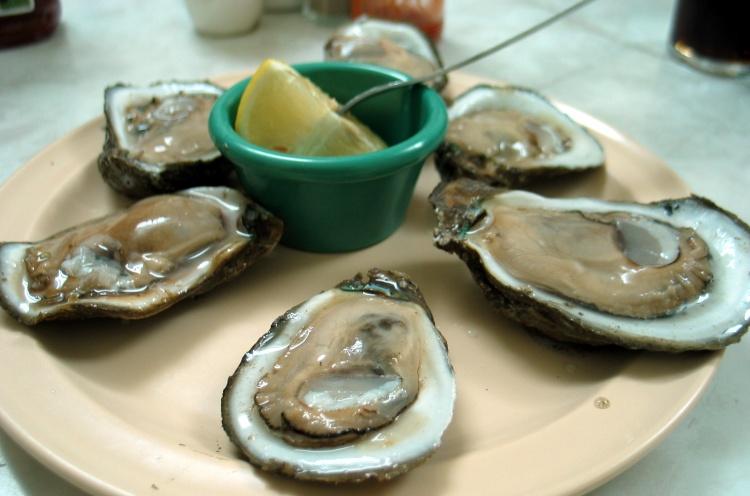
The last time we saw him, we dined on smoked salmon, bialys, blueberries, Judy’s brownies and Kim’s favorite — oysters. Jeff reminded me that oysters were also the last food we shared with Kim shortly after he and Judy returned from doing peace mediation work in Africa, and a week or so before his stroke of lightning, four years ago.

Tomorrow night I will participate in an international potluck dinner at my daughter’s school, an event I conceived eight years ago, after a chance conversation with a Mexican father about chilaquiles, one of my favorite comfort foods, reminded me that food (like children) is the great equalizer.

The above link will take you to a recipe by Marilyn Tausend, author of the fantastic book Cocina de la Familia, and to whom I owe a huge public apology for never returning the back issues of Sunset magazine that she lent me many years ago.  I hear Ms. Tausend is working on a new cookbook.  I hope when it comes out, she’ll be hosted at Book Larder and I can make the proper amends.

I’ll be making Sri Lankan Love Cake for the international potluck, in honor of Kim and everyone else I’ve shared meals with.

You may feel about Adam Gopnik the way some people feel about oysters, but there’s no accounting for taste.

The important thing is that the people around your table touch your heart and your mind.

Rest in peace, dear friend

By now you’ve probably noticed that I don’t create my own recipes, I just collect them (think of me as the Arianna Huffington of the recipe world).  I am happy to have found a way to share my favorites.

I’ve added two new food-related sites to my blogroll:  The Garum Factory (check out their method for separating kale leaves from stems.  It was the most fun I had all week) and Food 52, Amanda Hesser’s online food community.  I got a good look at the new Food 52 cookbook and several other enticing food tomes and am hoping that anyone in my family at a loss for what to get me for Christmas, will give me a gift certificate to Book Larder.