More Cooking With Sureyya or… It Takes a Village

I know what you want.

You want uncomplicated blog entries about food with a few recipes thrown in, rather than musings about art and architecture and the paths we choose in life.  Unless, of course, there are recipes.  Turns out, Frank Lloyd Wright is not an SEO-friendly tag.  Chicago-style hot dogs probably is.

I’m going to give you what my readership statistics tell me you want, but I’m going to sneak in my favorite blog ingredient – food for thought.

Just over a year ago, we were in Turkey as an early celebration of my 50th birthday.  Everything about the trip — the months of planning and anticipation, the experience itself and the months-long afterglow exceeded my expectations.

We stopped in Paris en route, a city I hadn’t been to since I was a student at the American College in Paris in 1979.

The food is just as good.
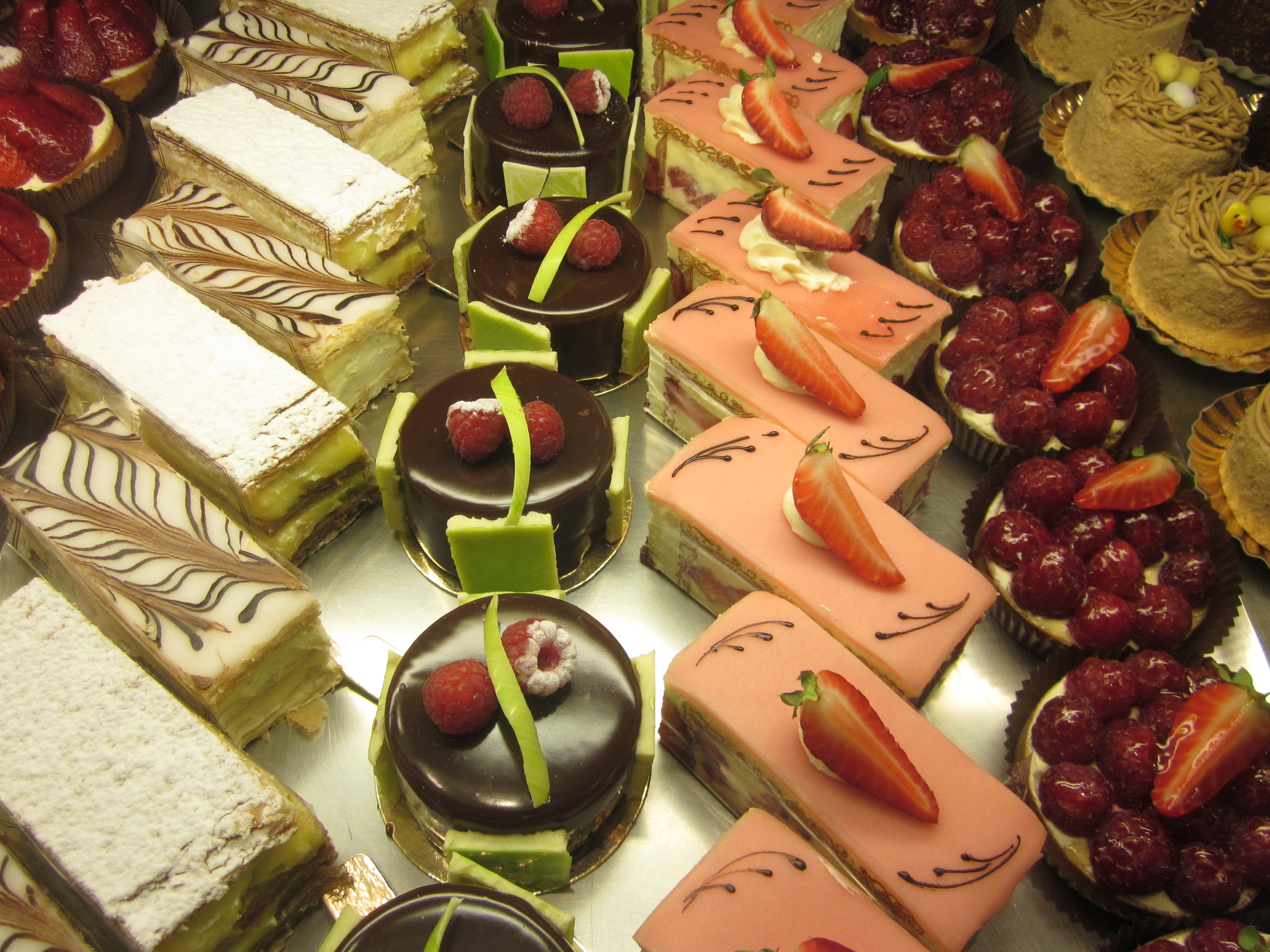
That’s where my Slice of Mid-Life gravatar came from.

And the city is just as beautiful.

But instead of an international array of backpackers with “No Nukes” patches in various languages sewn onto their backpacks, as there were in my day,

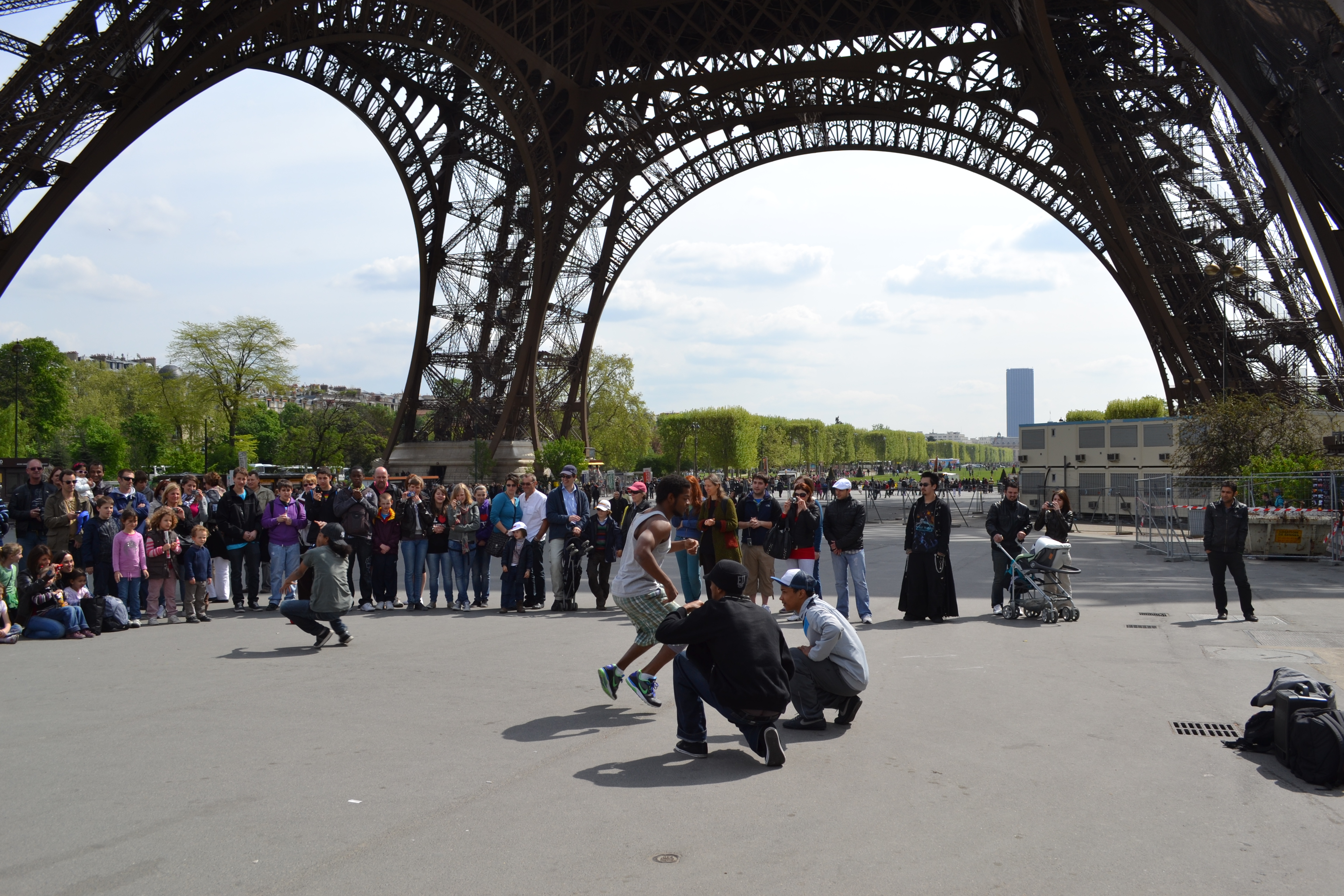
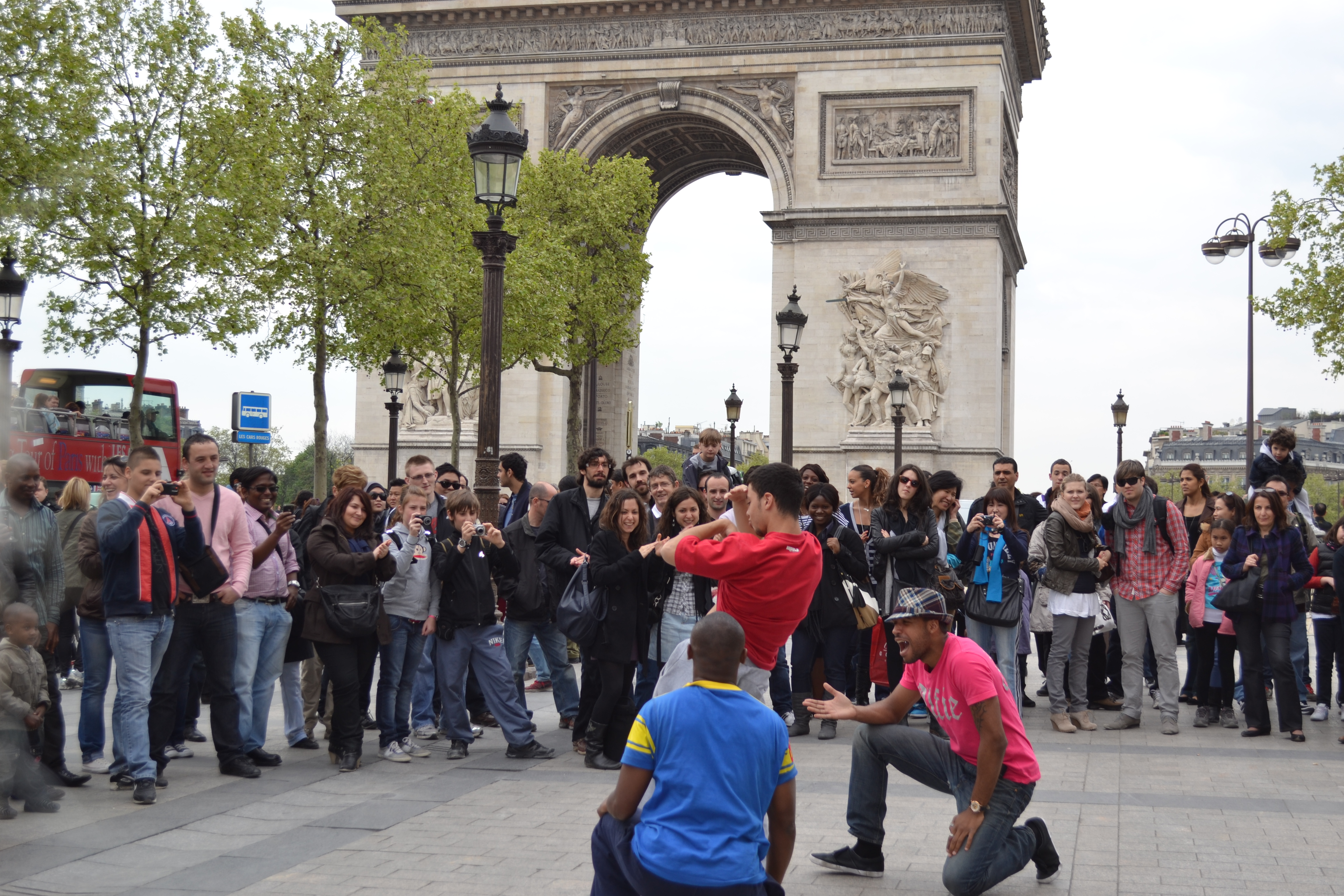
there is an international array of break dancers who perform at the Eiffel Tower and the Arc de Triomphe.
Turkey is a special place with warm, wonderful people.  There is something special about their food.
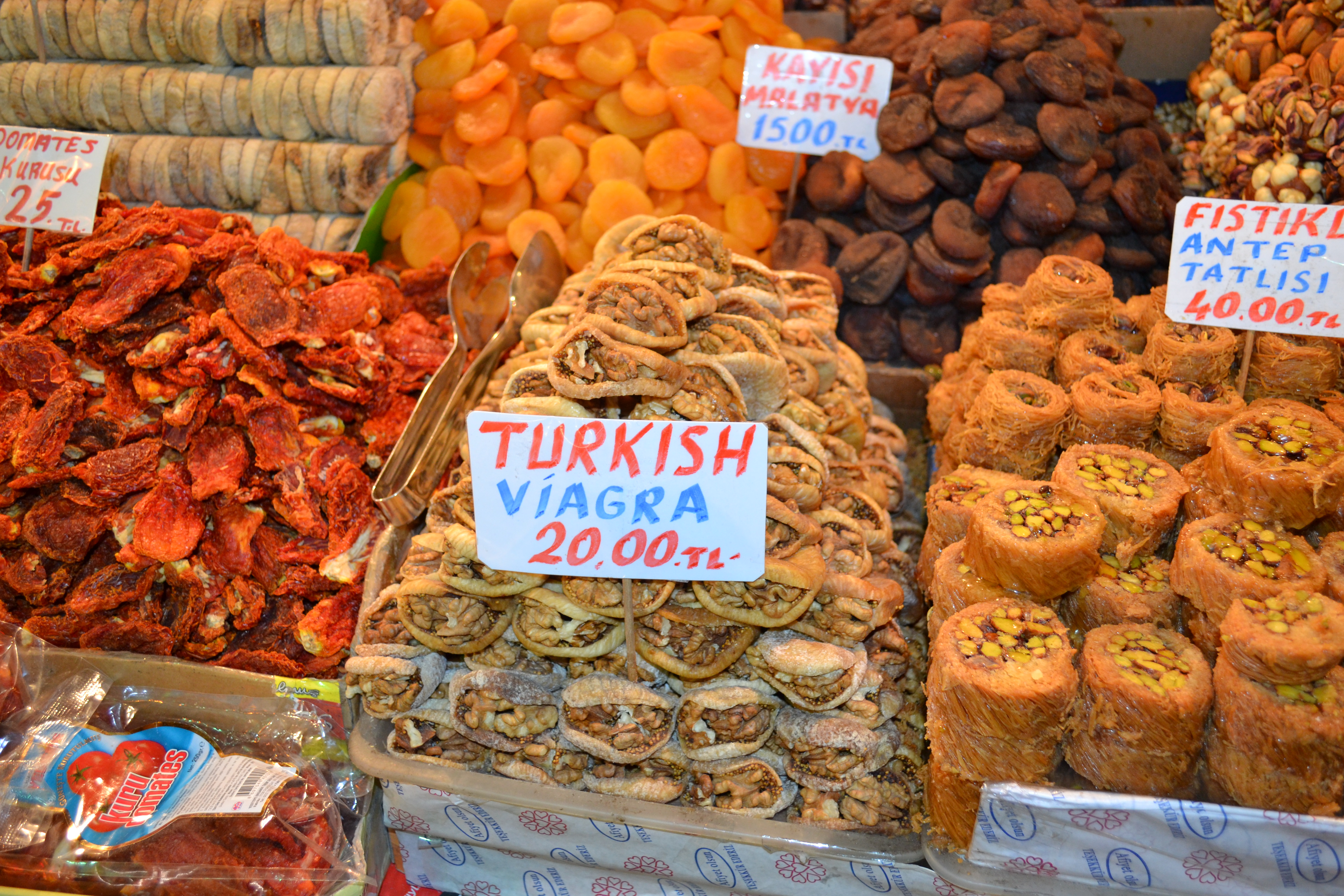
Could it be the ingredients?

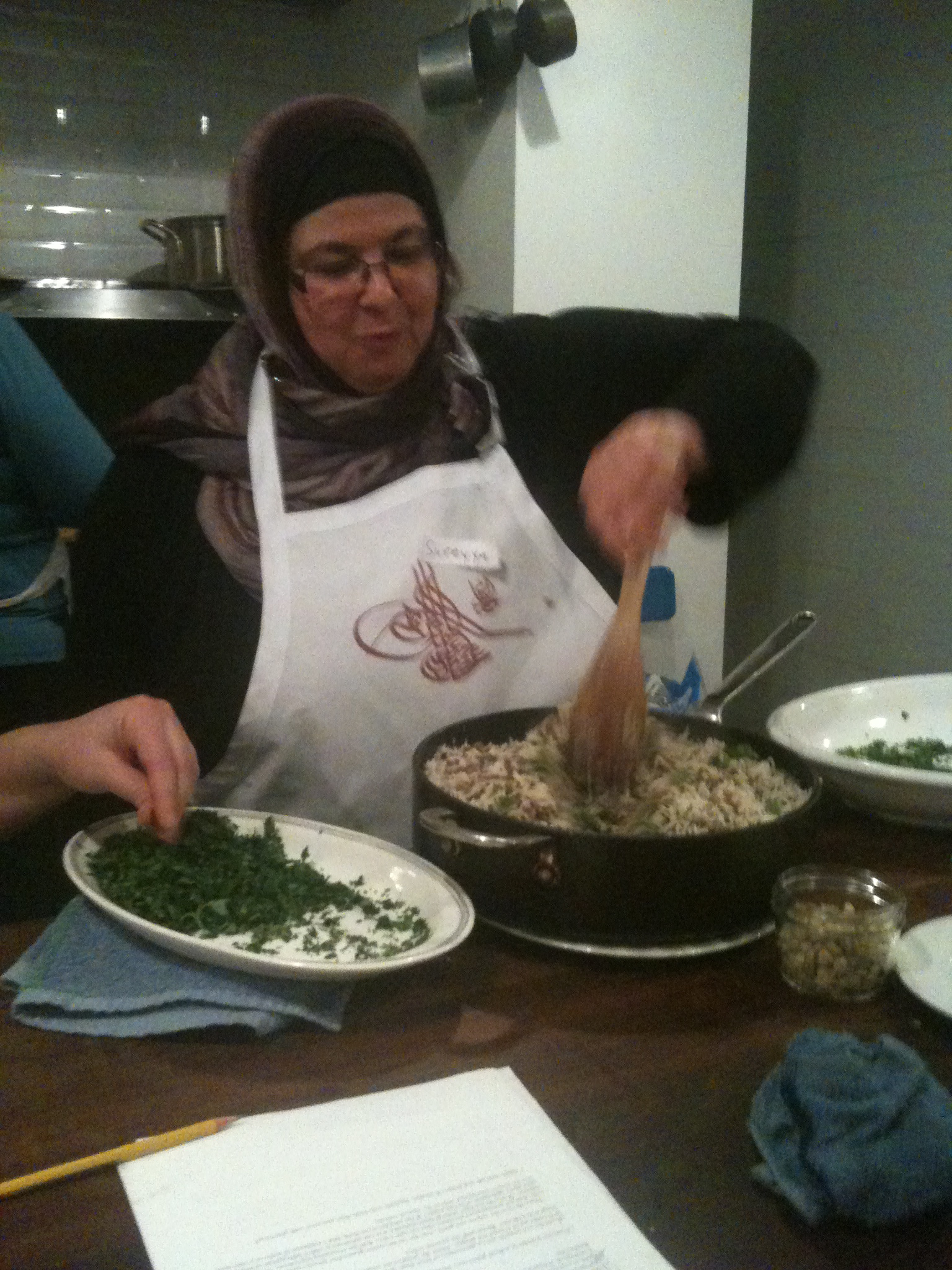
So now that I’m back home, I jump at every opportunity to relive that trip and to cook and eat Turkish food and take classes from the wonderful Sureyya Gokeri, whom I’ve told you about before.

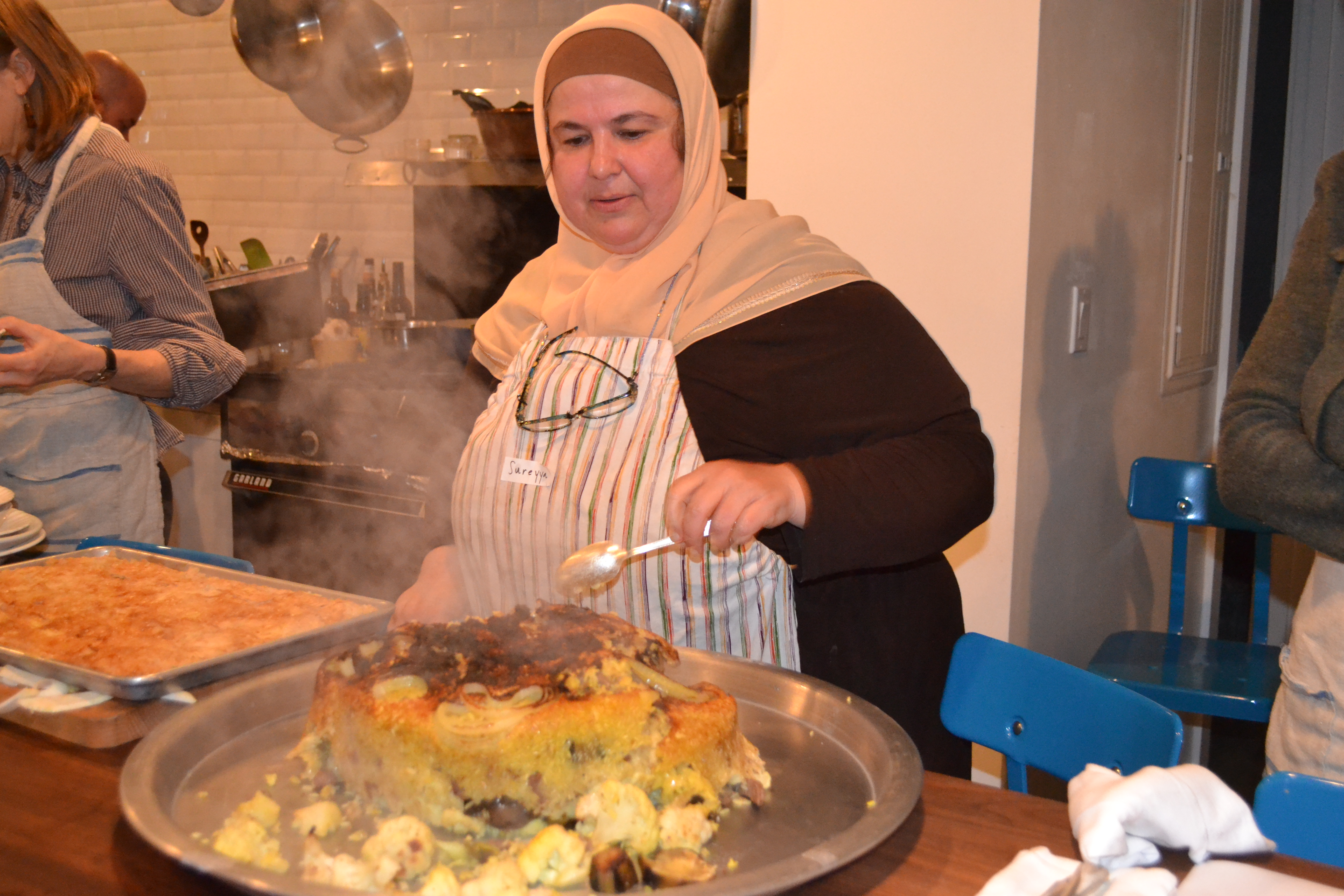
During last month’s class, we learned how to prepare a Turkish wedding feast.

The menu:

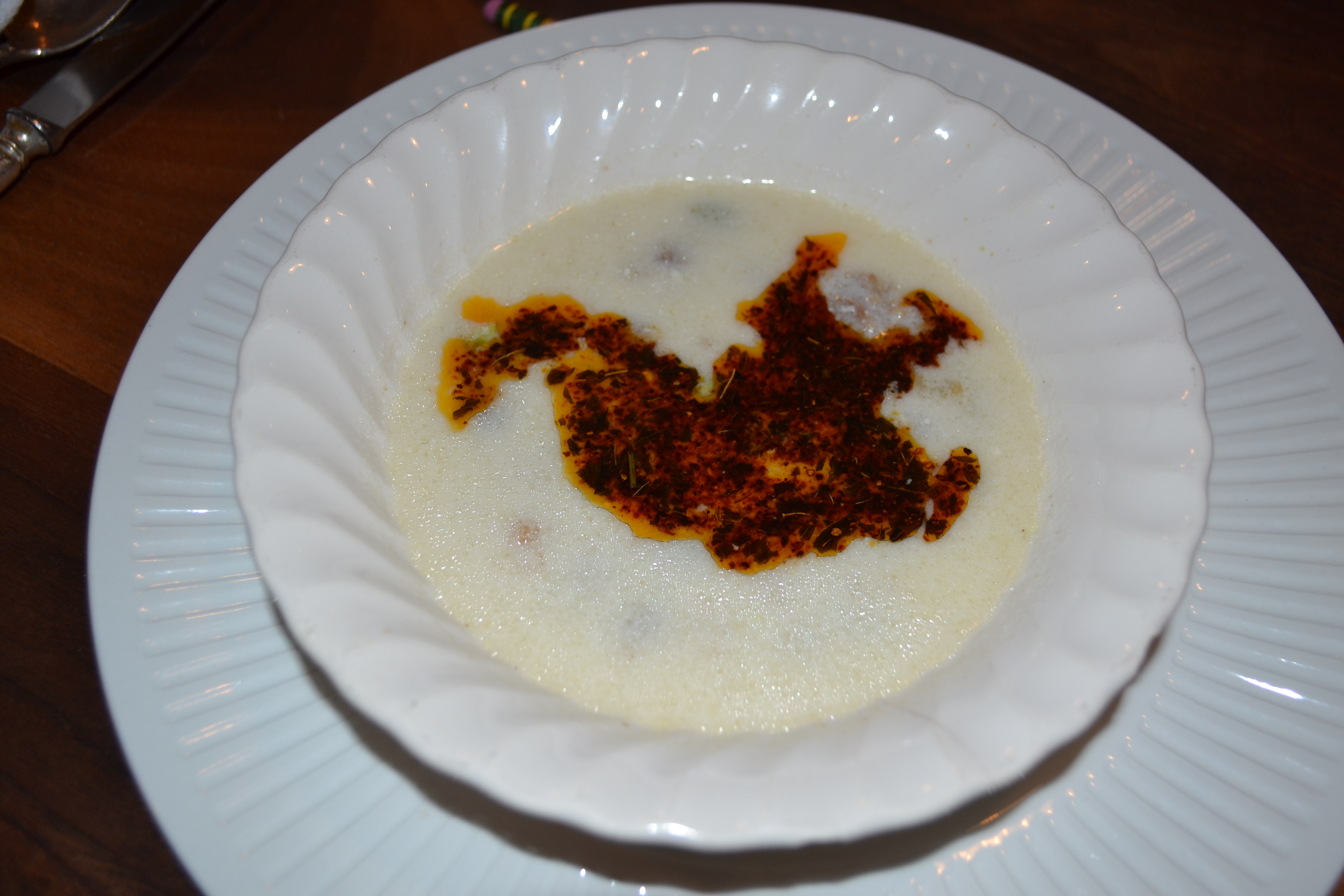
Yogurt-infused Turkish wedding soup
Maklube (Upside-down Spicy Pilaf with Lamb and Vegetables)
Dag Salatasi (Mountain Salad with Walnuts and Pomegranate Molasses)

Ispanakli Borek (Phyllo pastry with Spinach and Feta)
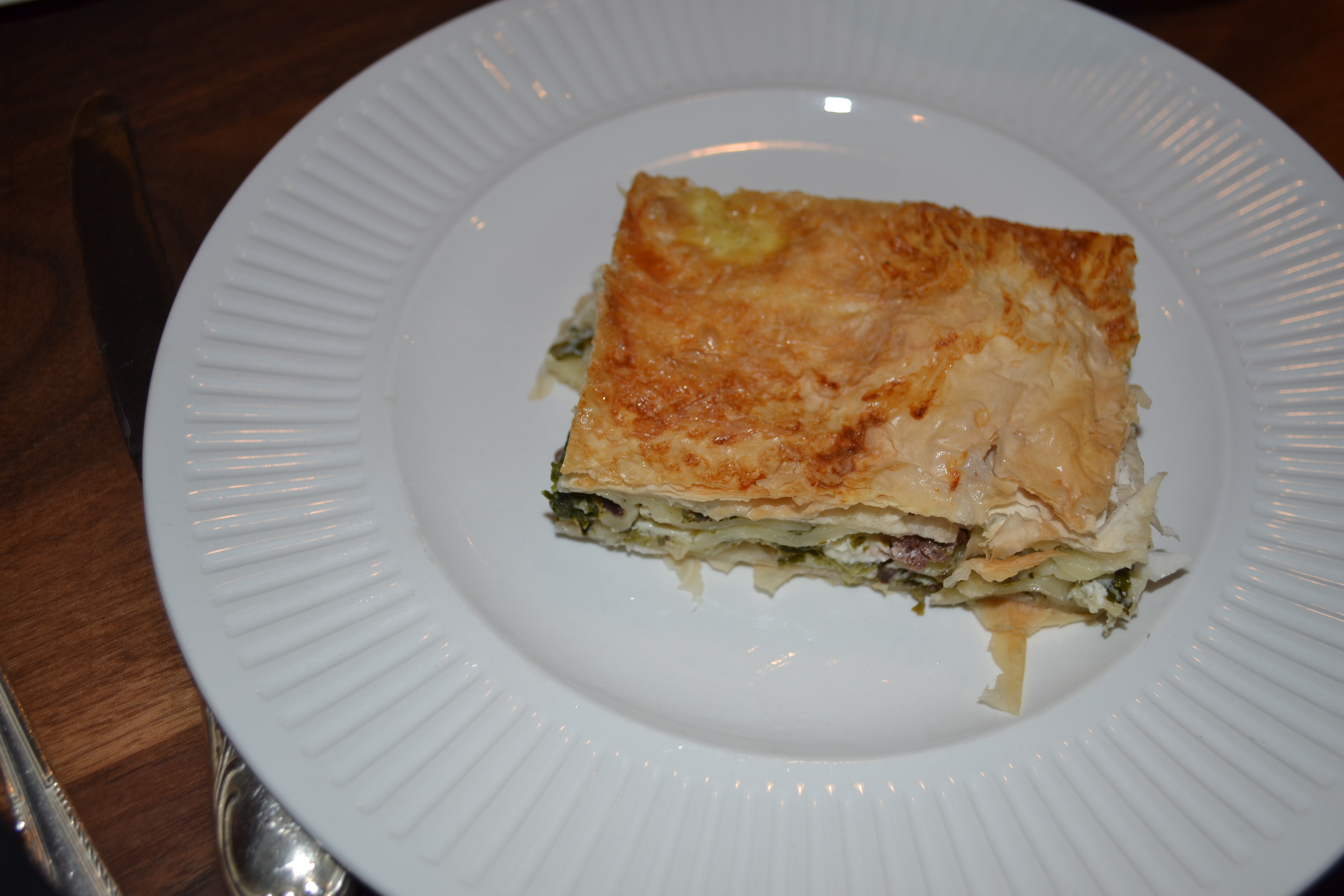
It melts in your mouth.

Kerevizli Yogurt (Celery Root and Yogurt Dip with Garlic) and

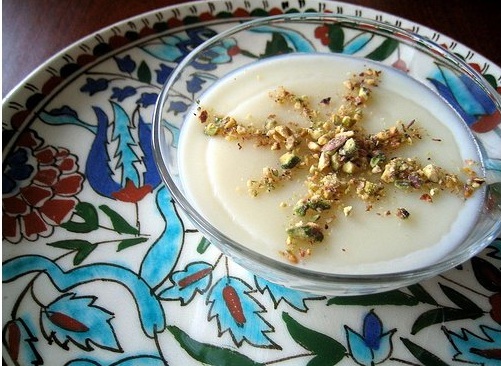
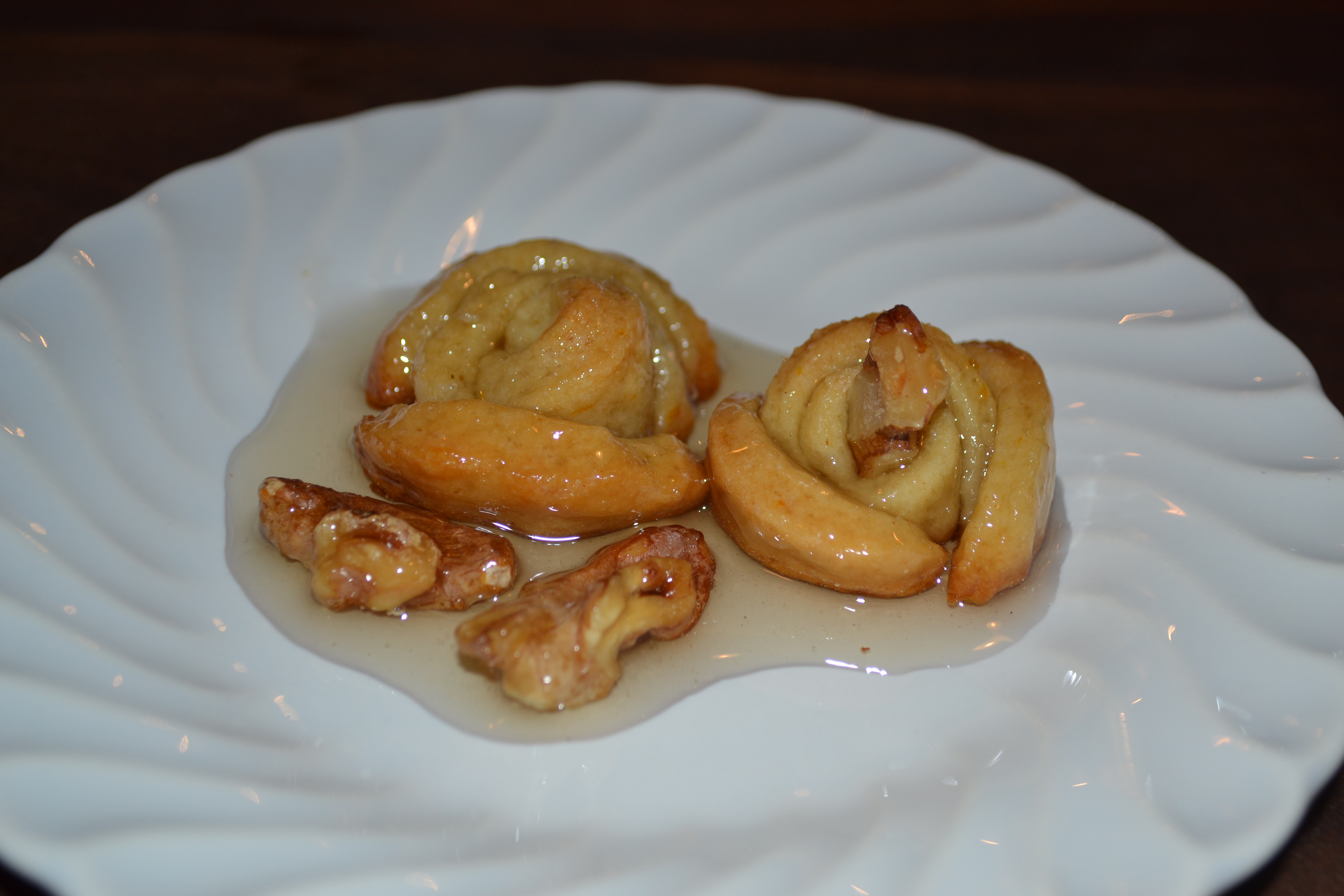
Gul Tatlisi (Rose Dessert)
While we were cooking, Sureyya regaled us with stories of village life.  On wedding and other feast days, women gather early in the morning to cook and while they do so, they talk.  The same thing happens within the Turkish community of Seattle and, I’d venture to guess, within Turkish and other tightly-knit communities around the world.  Even though they don’t cook (though they are intimately involved with lamb procurement and slaughter), the men talk too.

I’m sure it’s not all Borek in the Sky and that talk sometimes turns to gossip which sometimes turns to passing judgment about someone’s soggy baklava, their choice of spouse or their political opinions. A lot of that is probably going on in Greece right now.

But the thing about cooking together and celebrating together is that, whatever your differences, these are shared, face-to-face experiences.

Much has been written about the Internet, our faceless global village, and its power to connect as well as to alienate.  It seems that every time I read an intriguing opinion piece online, I also read several vitriolic and often anonymous responses to that opinion.

I know I’m not alone in lamenting how uncivil public discourse has become and how closed we’ve become to the ideas and experiences of others.  I recently wrote an article about it and received several favorable responses and a few uncivil, anonymous ones too.

So, since I know you like recipes, and since I believe you catch more flies with rose water- infused syrup than with vinegar (except perhaps, Balsamic), here’s Sureyya’s sweet ending to a community gathering.  You can find more recipes on her website.

 Gul Tatlisi (Rose Dessert)

3 cups water

2 1/2 cups sugar

1 teaspoon lemon juice

1 capful rose water (optional)

In a deep saucepan, boil sugar and water for 20 minutes on medium heat.  Add lemon juice and boil for two more minutes.  Set aside to cool to room temperature.

Pastry:

1 egg

1/2 cup yogurt

1/2 cup sugar

1/2 cup semolina

1/2 cup canola oil

1/2 teaspoon orange zest

1 teaspoon vanilla

3 to 4 cups flour

1/2 teaspoon baking powder

1/2 cup walnuts

Preheat oven to 350 degrees Farenheit.  Mix all ingredients except flour, baking power and walnuts in a bowl.  Add baking powder and flour a little at a time. Sureyya says you’ll know you’ve used enough flour when the dough is as soft as an earlobe,

Roll out half the dough to 1/4 inch thickness on a lightly floured surface, making sure it does not stick.  Cut out two-inch circles.  Lay four circles overlapping each other.  Roll the circles together and cut them in the middle to make two “roses.”  Put a walnut piece in the middle of each rose.
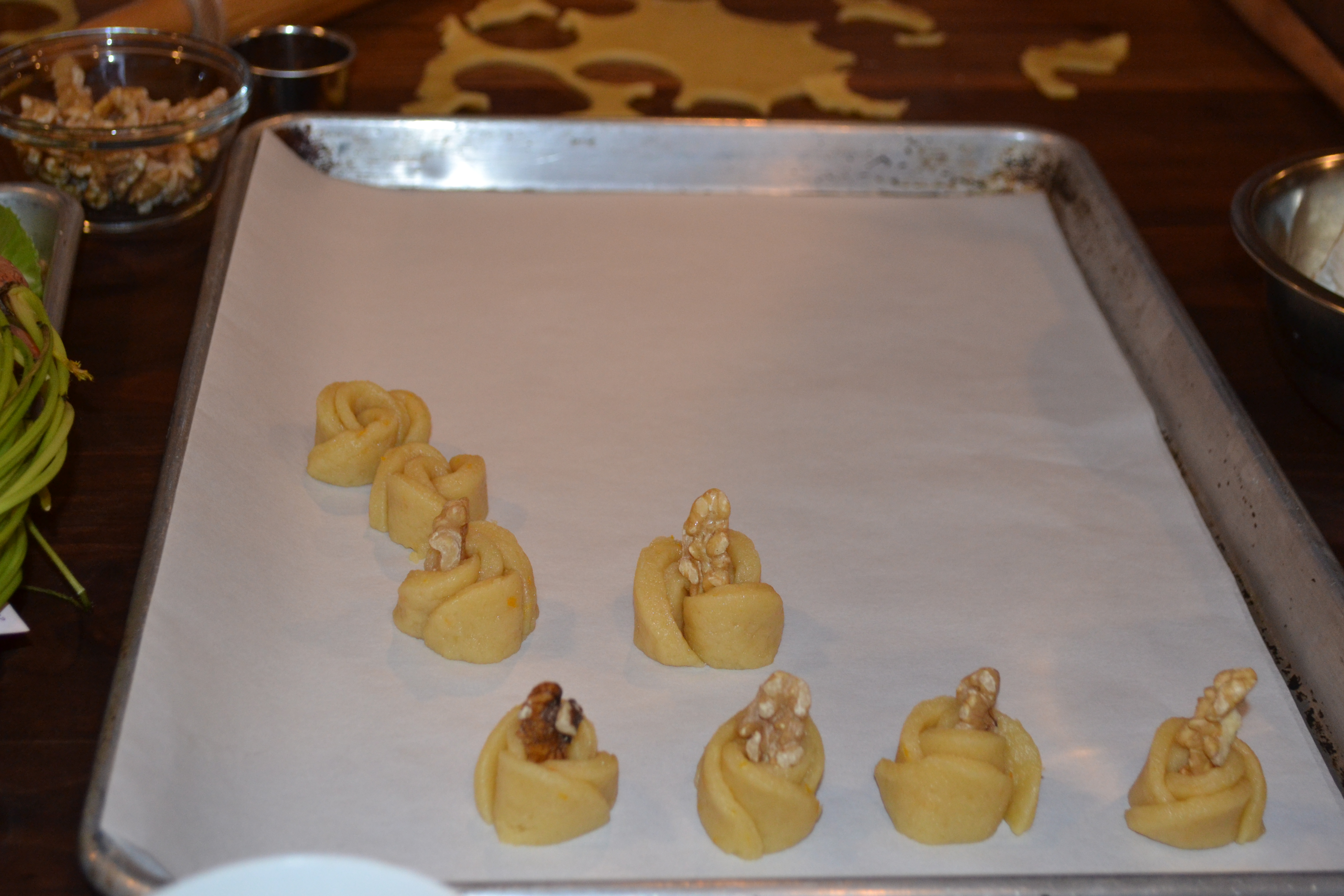
Place the roses on a greased tray (or use parchment) 1/2 inch apart.  Bake for 30-35 minutes until they are browned.  As soon as you remove the tray from the oven, our the syrup over the roses and set aside for 20 minutes.  The, turn roses over to evenly absorb syrup.  Ideally, the roses should soak in the syrup for two to three hours.

Finally, as a former Jersey girl, I got a kick out of the following article and I hope you do too.  But be forewarned.  There are some snarky comments afterwards.
Me, Bruce and a Colonoscopy

Spring Awakening

“Until I moved to the ranch, the coming of spring had been a gradual and painless thing, like developing a bust.”

Though I’m not sure pubescent girls would characterize bust development as “gradual and painless,” I’ve never encountered such an evocative description of spring as Betty MacDonald‘s in her 1945 classic book The Egg and I. 

If you are from Washington State, you’ve likely heard of MacDonald and of this very funny book, which describes her experiences living on a small chicken farm on the Olympic Peninsula with no running water and no electricity.  Ma and Pa Kettle (modeled after MacDonald’s slacker neighbors) originated in The Egg and I, and were featured in its 1947 film adaptation, starring Fred McMurray and Claudette Colbert.

They may also have originated the concept of the “spin-off.”

Ma and Pa Kettle (film)

Ma and Pa Kettle (film) (Photo credit: Wikipedia)

What I didn’t realize until reading The Egg and I, is that Betty MacDonald was a trailblazer in the art of food writing.

“..there was so much of everything and it was so inexpensive and so easy to get that it was inevitable that we should expect to eat like kings,” she writes of Pacific Northwest bounty, such as fresh field mushrooms, clams, oysters, steelhead salmon and Dungeness Crab “We’d go on regular crab sprees –eat cracked crab with  homemade mayonnaise well-flavored with garlic and Worcestershire, until it ran out of our ears. Have deviled crab, crab Louis and crab claws sauteed in butter and served with Tartar sauce.”  At the time, she notes, she could buy a gunnysack full of Dungeness crabs for $1.

Sadly, she was not a fan of geoduck.

It's the largest burrowing clam in the world, and a local favorite.

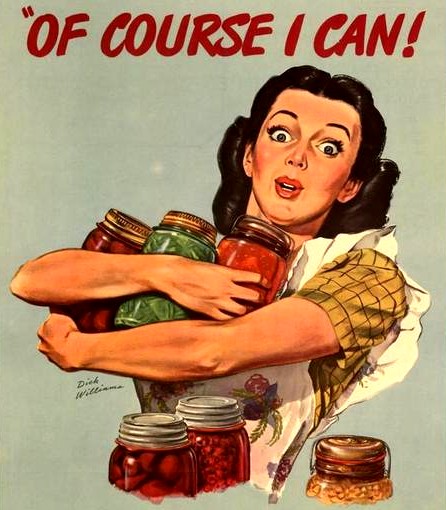
Still, all that natural bounty from the garden and berry bushes could be oppressive come canning season.

MacDonald describes herself as “lyrical with joy” when her pressure cooker blew up.

“I was free! Free! F-R-E-E!”

Her practical husband calmly picked up the Sears Roebuck catalogue and ordered her another.

Global warming notwithstanding, MacDonald’s 1945 description of Seattle springs holds true today:  “Seattle spring was a delicate flower of the pale gray winter –a pastel prelude to the pale yellow summer which flowed gently into the lavender autumn and on into the pale gray winter.  It was all very subtle and we wore the same clothes the year around (note that this was written long before the invention of fleece – our native dress) and often had beach fires in January but found it too cold for them in June..”

From Tim Jones' (a self-described minivan-driving soccer dad) blog "View from the Bleachers."

What she means is that despite the changes in season, we can be cold here, all year round. I write this, wrapped in a blanket, looking out the window as sunlight strobes on and off my plum trees, which are already past their bloom.  It hailed last week, and all this week the weather has ping-ponged from lion-like to lamb-like and back.
So it’s lucky that we have seasonal bounty to warm and sustain us and especially lucky that we can leave the growing to the trusted professionals, yet still eat like kings and even can at our discretion.
Like most Sundays, this past Sunday I walked to the Ballard Farmers Market to see what was new for spring.

My favorite fish guys.

 I emerged with beets, radishes, stinging nettles, jerusalem artichokes and freshly caught salmon and had fun all week cooking lighter spring fare.  David Lebovitz was generous enough to share on Facebook that Amazon was offering a special promotion of Dorie Greenspan cookbooks.
 I was among the lucky who nabbed Around My French Table and Baking: From my home to yours for $10, including shipping.  We ate Dorie’s salmon with tapenade and Jerusalem artichokes roasted with garlic, and Three Beet Caviar with Endive and Goat Cheese and Nettle Frittata with Garlic and Ricotta (the latter two recipes from Deborah Madison’s inspirational book “Local Flavors: Cooking and Eating from America’s Farmers’ Markets”  Urged by Dorie Greenspan, I whipped up a batch of creme fraiche, and while I was at it, replenished my supply of preserved lemons.
I’m ready for spring.

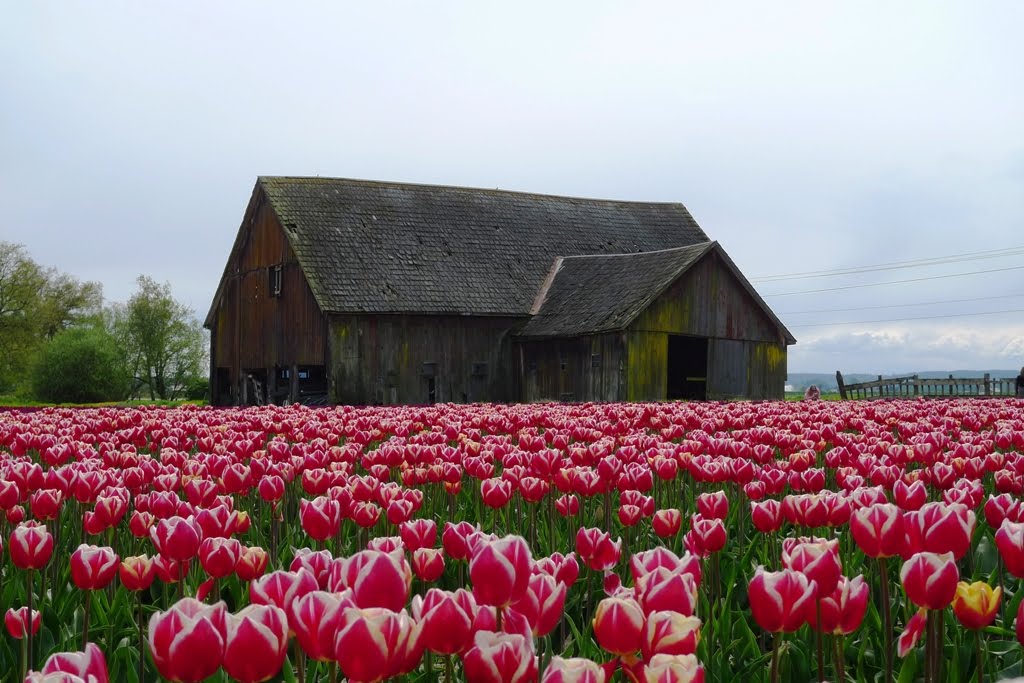
A tulip field in the nearby Skagit Valley.

Though Jeff is resigned to the fact that you won’t find me working in our garden (I’ve finally had to stop bragging about the 50 bulbs I planted on Daughter #1’s first day of pre-school 11 years ago), you will find me happily in the kitchen.
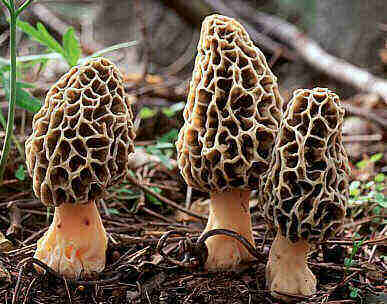
Soon the sun will become a more familiar presence and our markets will abound with fava beans (the fresh ones are labor intensive, but great in so many ways, especially with pecorino cheese) and pea vines and fiddlehead ferns and shoots of all sorts and morels, glorious morels.
I first learned about Betty MacDonald when my kids were little and we read the hilarious Mrs. Piggle Wiggle books, in which kids were cured of their bad habits by this magical woman who lived in an upside-down house (my favorite:  the kids who refused to take a bath and was allowed to get so dirty that her parents were able to plant radishes on her).
When daughter #1 started kindergarten and I was perhaps a little weepy, I decided that, like the mothers MacDonald wrote about, I would greet her after school with a freshly baked cake.
It didn’t last long, but over the years I’ve tried various recipes for French yogurt cake, which along with tartines, is a popular after school snack a la francaise.  
Dorie Greenspan has a recipe in her baking book, which I made this week, and Molly Wizenberg has a nice, lemony recipe which first appeared on her blog Orangette and can also be found in her book A Homemade Life.  I’m including it here.
It’s a nice pick-me-up when the sun goes behind the clouds or you are agonizing over the gradual and not always painless emergence of your bust, or for that matter, the inevitable drooping of said bust at mid-life.
Bon appetit.
If you are interested in having a modern version of the Betty MacDonald experience, check out my friend Joshua MacNichol’s Urban Farm Handbook:  City Slicker Resources for Growing, Raising, Sourcing, Trading and Preparing What You Eat.

Bundle of Nerves

“You’ve got some nerve,” the radiologist said to me, when it became clear that the three deep injections of painkillers were not enough to keep the nerve impacted by my bulging cervical disc from reacting to the latest onslaught of steroids.

Nerves have been on my mind this week and last, not just because of my most recent bout of nerve warfare, but also because chutzpah and cajones have been in the air and in the news.
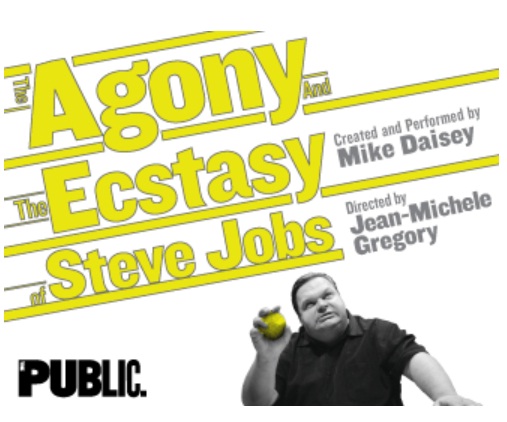
Ira Glass thinks Mike Daisey had some nerve fabricating material for a story he performed about harsh conditions at Apple factories in China, which aired on This American Life.  In an on-air retraction, Glass expressed disappointment that Daisey lacked the nerve to fully admit he had lied.

I admit, Naomi Wolf‘s story in The Guardian, in which she accused private school elites of taking down America, touched a nerve because we are contemplating sending one of our daughters to private school and, after years of being an active public school supporter, I feel guilty about abandoning the cause and worry about being stereotyped and judged. But her sensationalism and breezy, “I’m in Ecuador, so I can’t fully respond to your comments” tone, as well as the lack of disclosure about where her kids go to school, got on my nerves.

People have told me they would have been unnerved at the prospect of telling a story on a stage in front of a group of people, as several fellow writers and I did last week, or serving as auction MC for our beloved public elementary school, as I did for the sixth and final time, last Saturday night. Our beleaguered School Board president attended the auction. I thanked him for having the nerve to fight for public education, in spite of seemingly insurmountable obstacles.

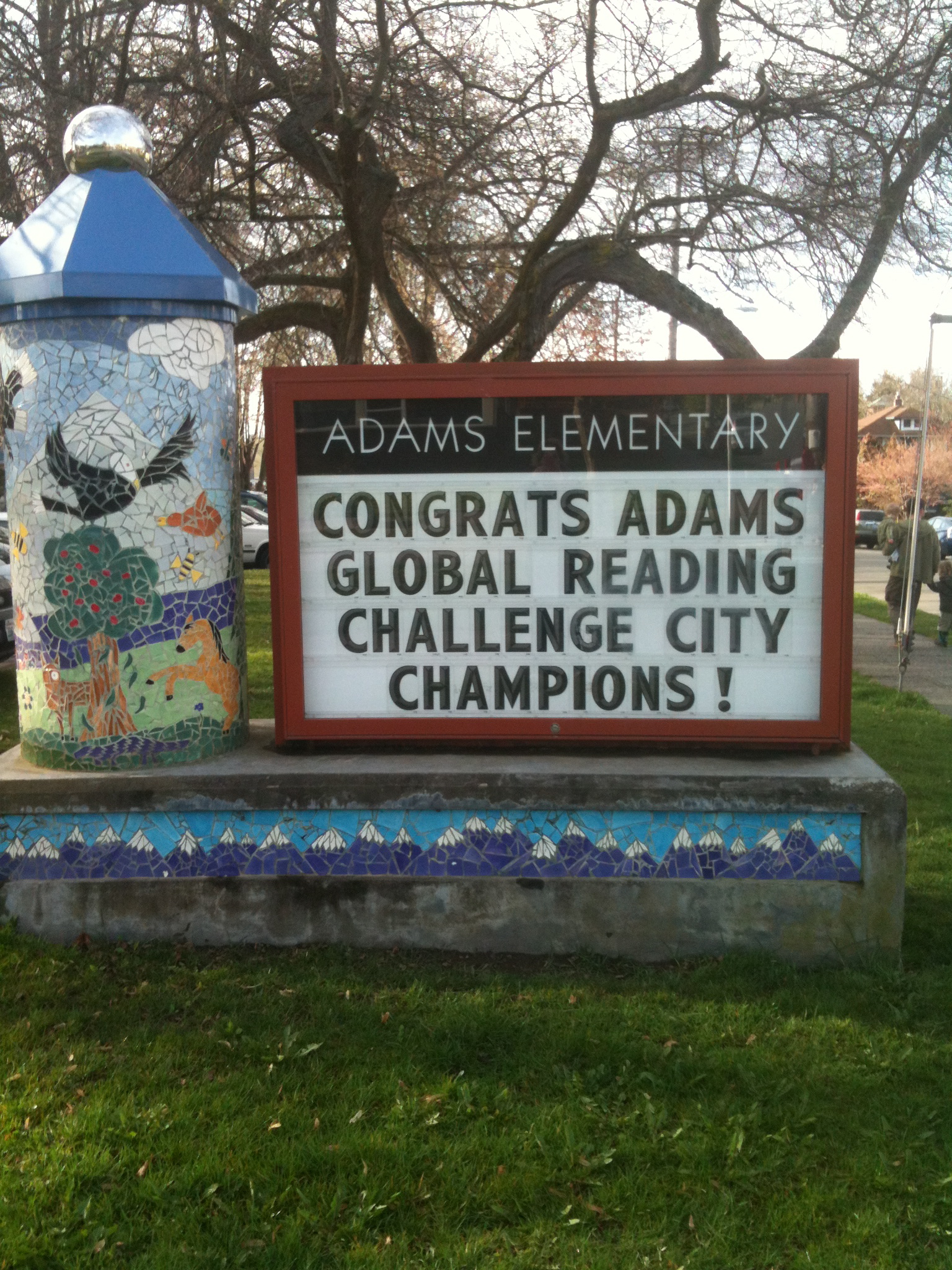
Daughter #2 has admitted she is nervous about attending a new school next year, where she won’t know a soul. But she and six of her classmates exhibited nerves of steel when they competed in the city-wide finals of the Seattle Public Library’s Global Reading Challenge and emerged victorious.  Why is funding for our public schools and our public libraries so often in jeopardy?

It takes some nerve, commented a reader of an article I saw posted on Facebook by an organization promoting the “rational middle” in the debate over education reform, to insinuate that people like him are extremist because they don’t agree.

The nerve of those two mommy writers, who exploited their kids by sharing stories about them, people said this week. I read one of the stories, a tongue-in-cheek account in which the mother admitted to being more upset than her daughter over the daughter’s breakup with a boyfriend.  It’s the kind of story I might have written (though you can bet I’d check with my daughter first), and I thought it was funny and sort of sweet. But a lot of people apparently thought that mother crossed the line.

I won’t apologize for the other mother, who wrote a much maligned piece in Vogue, which I haven’t read, about putting her seven-year-old daughter on a diet.  In addition to the criticism, she got a book deal.

Even French Women Who Don’t Get Fat might exclaim,  “Quel culot!”

Amanda Hesser told her audience at Seattle Arts and Lectures that the cookbook is dead. (Funny, tonight I’m making Broccoli Rabe, Potato and Rosemary pizza from her Food 52 cookbook).

Finally, we are contemplating getting a dog.  I don’t need to tell you how this might make our two beloved cats feel.

The nerve in my neck is on edge this week and I’m slowly becoming resigned to the fact that this is a chronic problem that I will just have to manage.

I can’t speak for other people whose nerves need calming, but I feel fortunate that a good roast chicken has charms that soothe the savage breast and neck.

Though Paula Wolfert, one of my favorite cookbook authors, thinks it’s nervy of Mourad Lahlou to tamper with traditional renditions of Moroccan recipes, she might change her mind after tasting his marriage of roast chicken and chicken tagine with preserved lemons and olives from his cookbook, Mourad New Moroccan.

Here’s the recipe, which was posted on Martha Stewart’s website and includes a video of Mourad and Martha cooking together.  (Did you know there is no twine in Morocco?  Watch how Mourad trusses a chicken.  I will never improvise again).

I hope it thrills you all the way to your nerve endings.

Roast Chicken, Preserved Lemons, Root Vegetables

One note:  I compared the recipe Martha posted with the one in the book. They appear to be the same, with one notable exception.  Mourad recommends adding 12 Spiced Prunes to the pan for the final 15-20 minutes of roasting.  The link will take you back to Martha’s site, where she posted Mourad’s Spiced Prune recipe separately from the chicken recipe.  A warning: she omits the 1 cup of water, which should be added when you boil the prunes and flavorings.

International Comfort Food

Even though I was not allowed to listen to Pandora during my recent shot in the neck, the Pandora in my head provided a soundtrack. Lying on my stomach, held tilted down, arms immobilized underneath me, all I could think about, as the doctor drew an X to mark the spot where he would inject me (perilously close to my spinal cord), was the Neil Young song “The Needle and the Damage Done.”

Luckily, the Pandora in my doctor’s head must have been playing Pat Benatar.  He hit me with his best shot and I am grateful.

Scheduling the shot had been tricky. The doctors warned me I might feel some “discomfort” afterwards and would likely be uncomfortable for a day or two, but everyone stressed the urgency of getting it done.  So I ended up having the procedure just hours before I was supposed to attend an Egyptian cooking class at The Pantry at Delancey.

I told you how much I admired journalist Annia Ciezadlo for dodging gunfire in Beirut to make sure the pasta wasn’t overcooked.  Discomfort or no discomfort, there was no way I was missing this class.

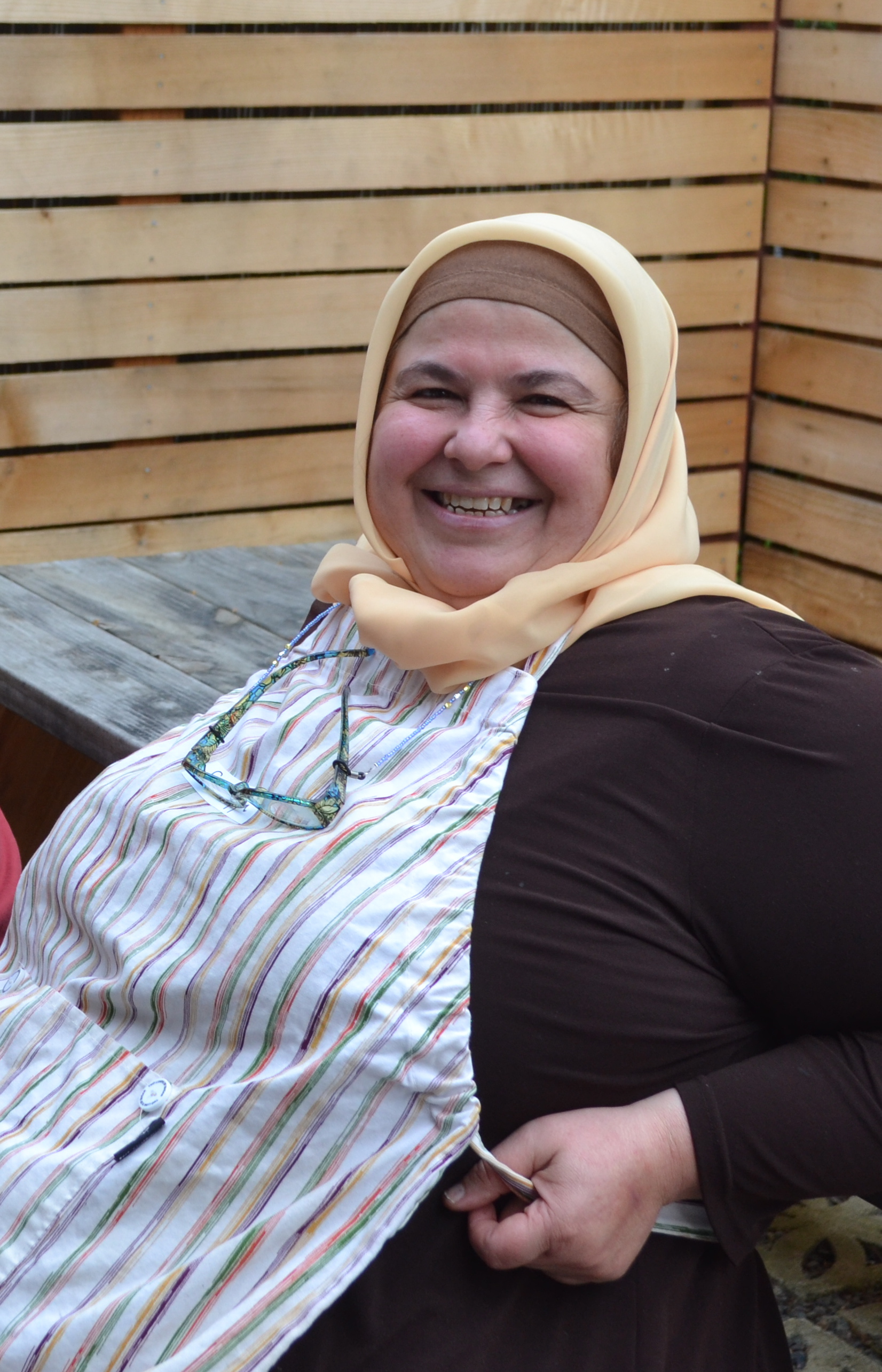
Words can’t begin to describe what a wonderful antidote it was to the clinical procedure I had endured.  If people resemble food, then teacher Sureyya Gokeri is the best bowl of sweet, spicy noodles you’ve ever tasted.

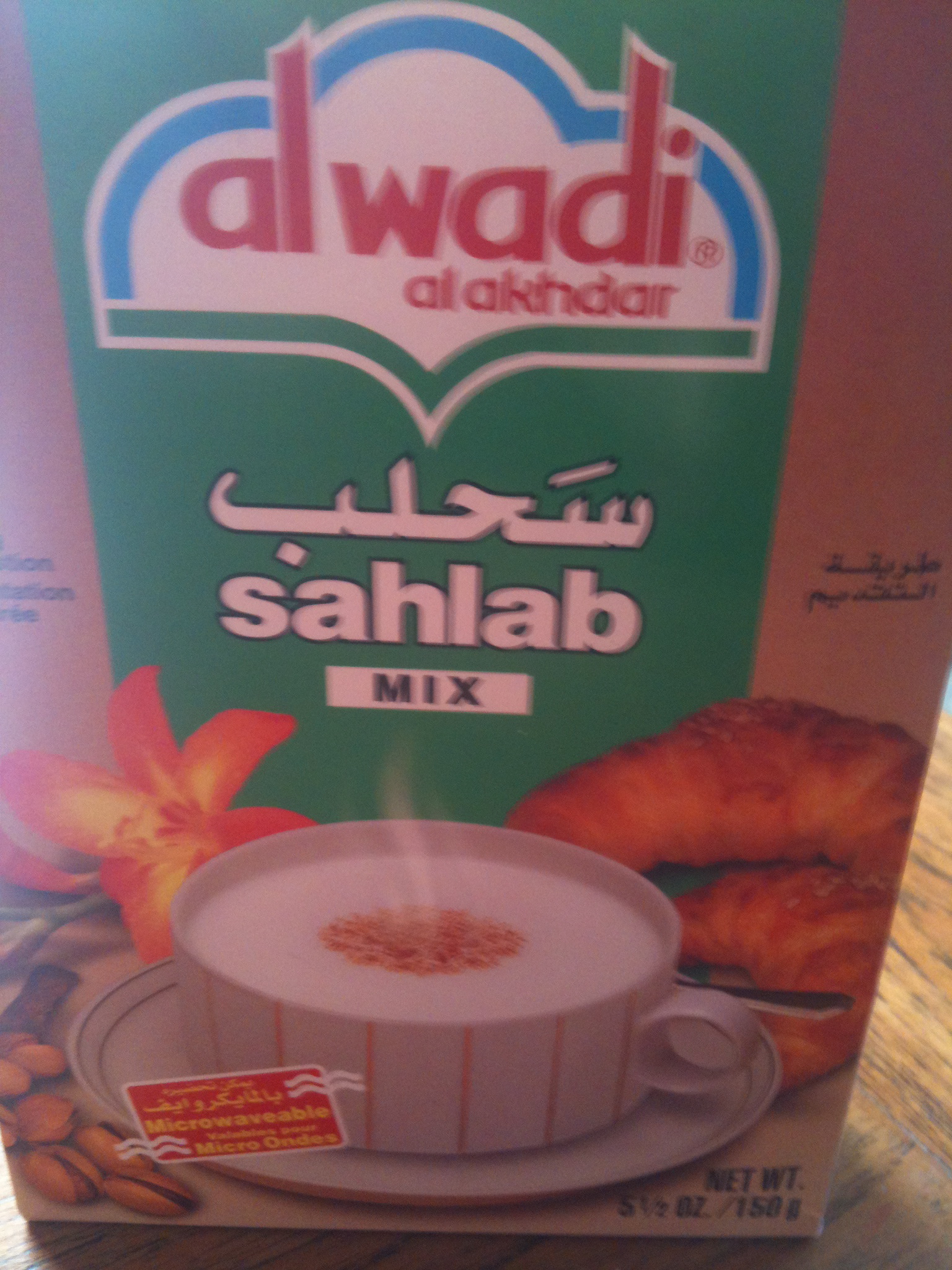
When we arrived, we were greeted with a comforting cup of sahlab, the warm, cardamom-infused “intimacy drink,” that is sold by street vendors during Middle Eastern winters.  It’s normally thickened with the starchy ground bulb of an orchid ground to powder form, but Sureyya taught us to make a version using cornstarch.

Here are some other highlights from the class:

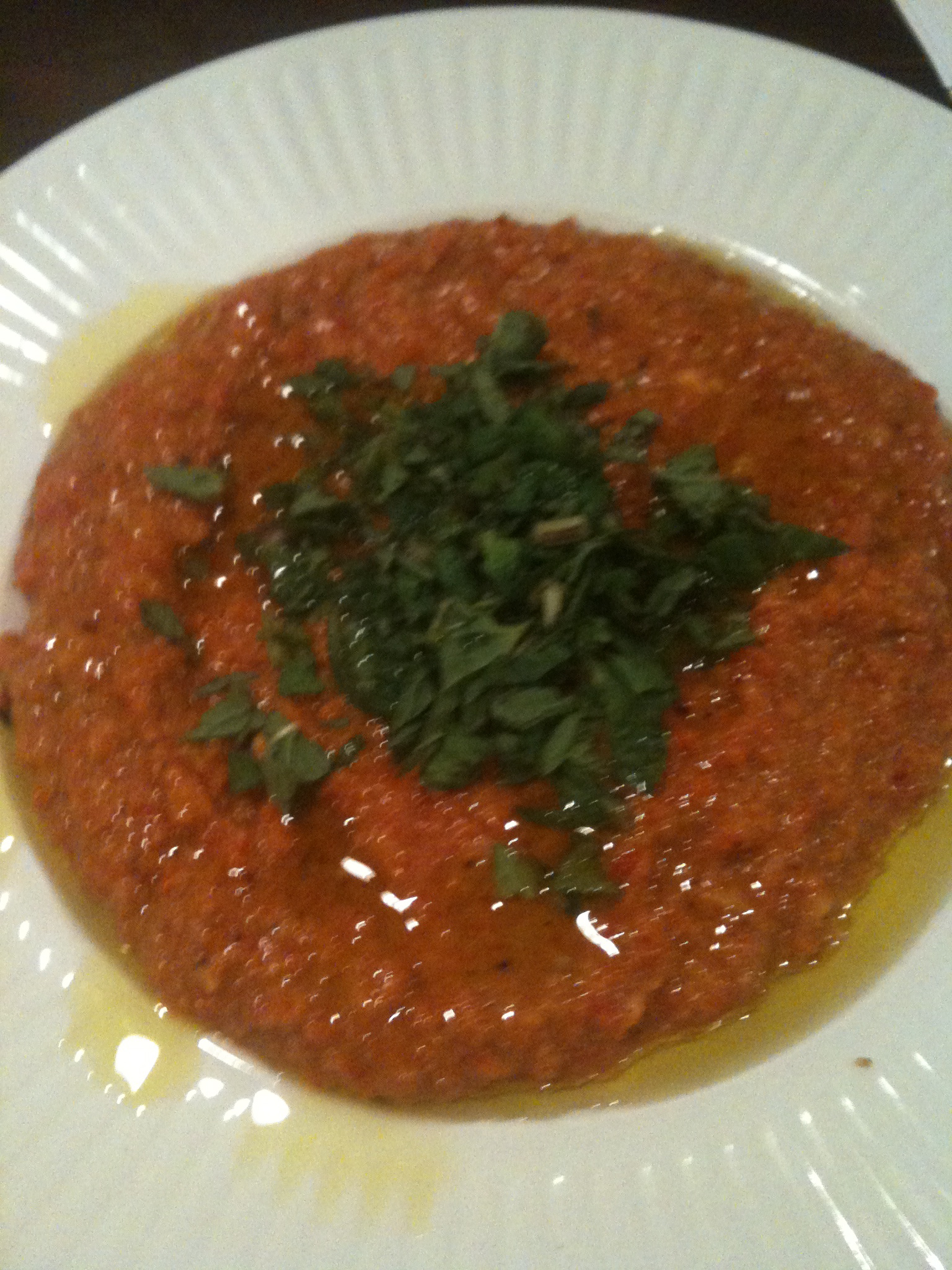
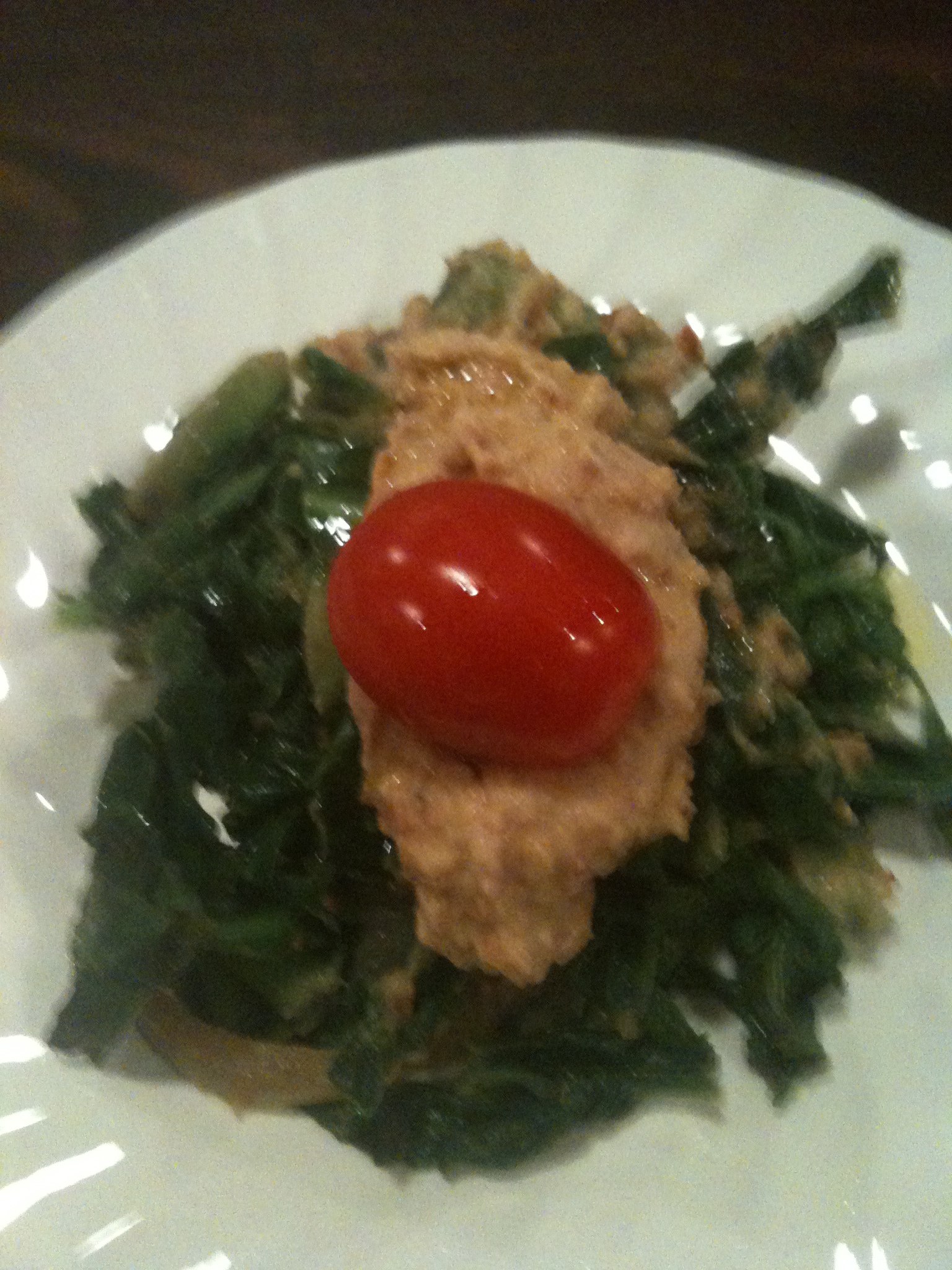
Muhammara: Roasted Red Pepper Dip with Walnuts and Pomegranate Molasses

Fuliyya: Fava beans with Chard

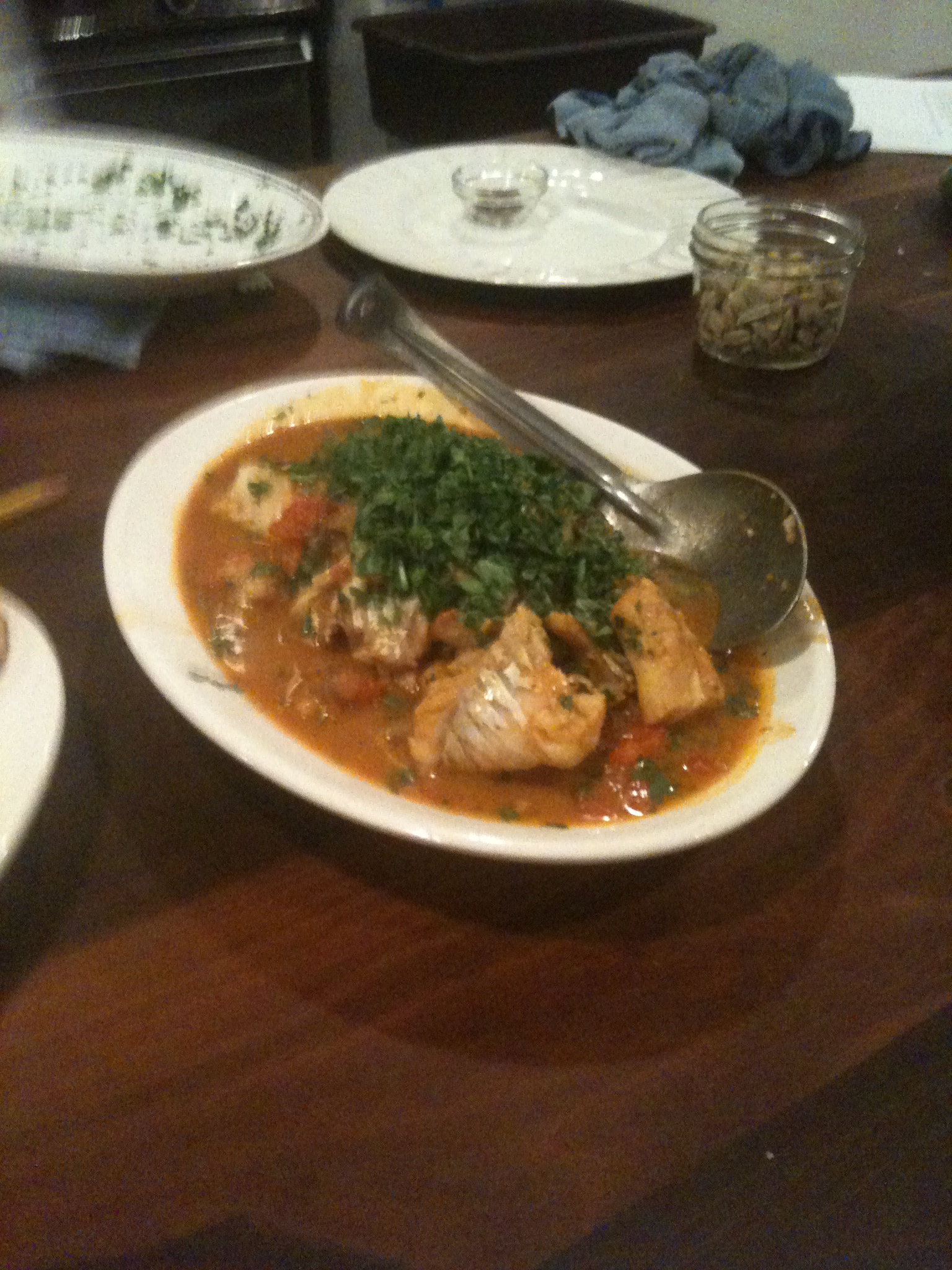
Pomegranate-Glazed White Fish

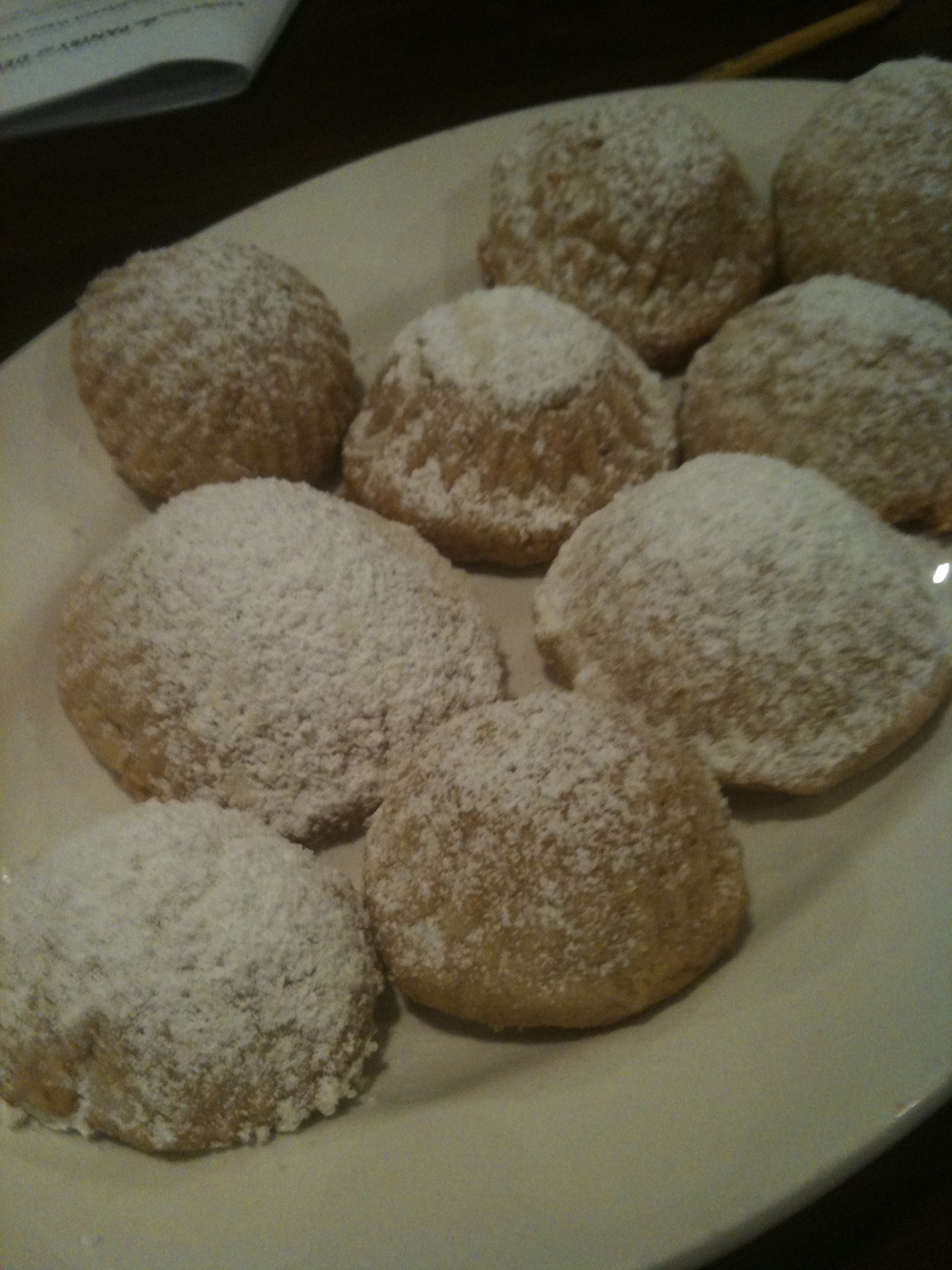
Tamar Al Ghiraybah Mamoul: Date-Stuffed Semolina Cookies

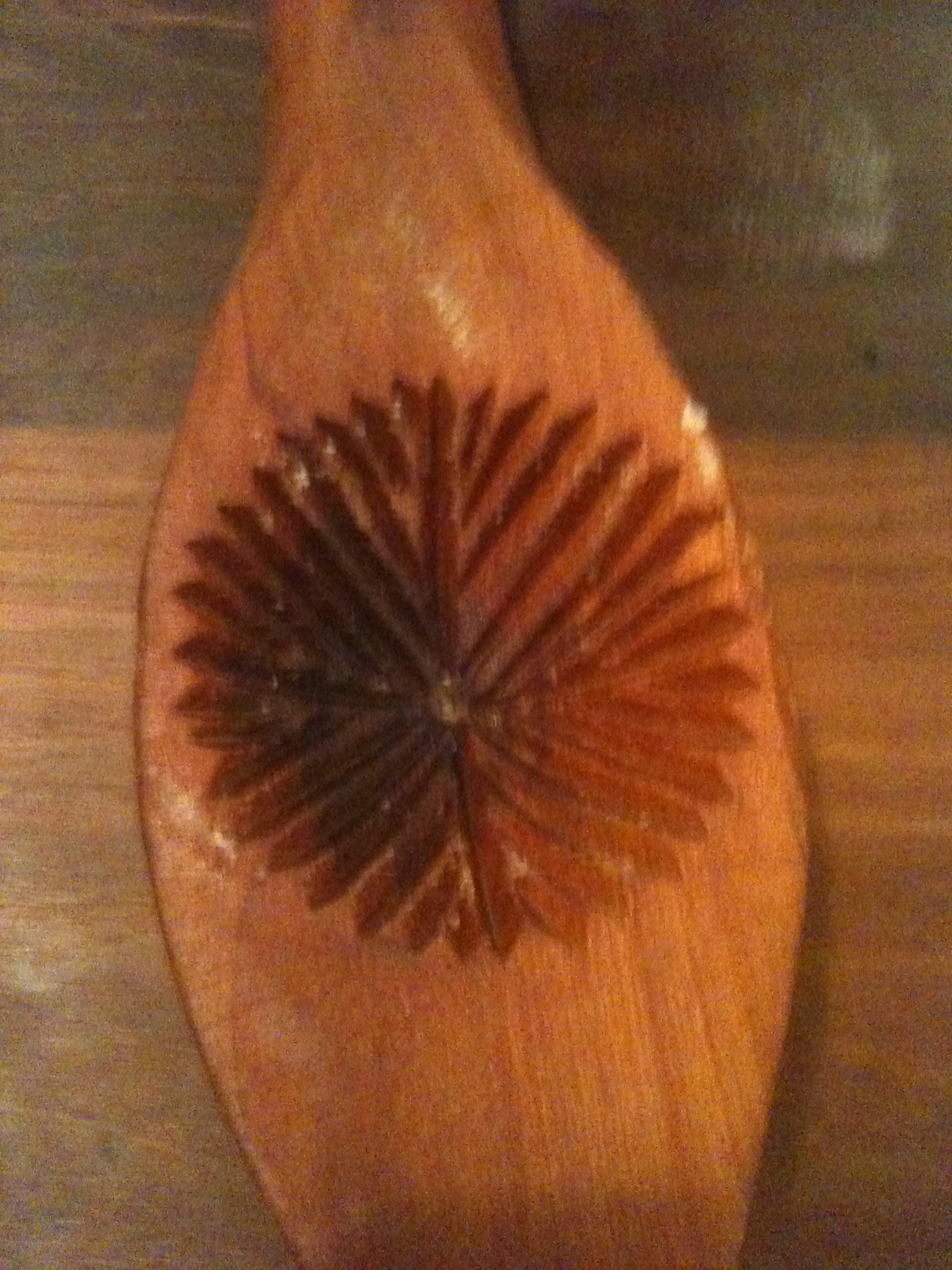
And, my favorite new must-have kitchen item:

Mamoul mold

The next morning, I felt more than a little “discomfort,” but had a raging craving for Parsi Eggs, courtesy of Madhur Jaffrey, who, along with Claudia Roden, is one of my favorite cookbook authors.  And as the day wore on, and my headache and neckache intensified, I remembered Sureyya’s sahlab.  I happened to have a box of the instant stuff.

Though not as good as the real deal, it made me feel better.

I spent the rest of that blustery Seattle weekend in bed reading Ann Patchett‘s State of Wonder.  Thanks to the pain I was in, and the altered state brought about by my pain medication, I was able to intensely connect with this tale of intrigue in the Amazonian jungle. Without my contact lenses in, I could even pretend that the raccoon cavorting in my next door neighbor’s tree was really a sloth.   

When my mother was dying, I made big pots of congee, which sustained us whenever we could manage to eat.  The Thanksgiving that everyone (except me) had the stomach flu, I soothed them with bowls of chicken donburi.

We eat pho and Armenian Chicken Soup when we have colds, and Marcella Hazan’s famous tomato sauce with onions and butter over pasta when life gets to be too much.

Every culture has its version of comfort food and I’m sure I’ve just scratched the surface.

I would love to hear about your favorites.

Sometimes words can be as comforting as food, and sharing stories can be particularly nourishing.  Seattle friends, take note: On Tuesday, March 20, I will be participating in the inaugural Ballard Spoken Word Live Storytelling Event.  

I’m honored to share the stage with my fellow Ballard Writers Collective authors Joshua McNichols, Ingrid Ricks, Peggy Sturdivant and Jay Craig.  They will share ghost stories, tales of love and unexpected friends lost and found, a new way of seeing and a new take on religion.  I’ll be sharing my parenting philosophy:  “The Battle Hymn of the Jersey Mother.”

The next morning, I’m having my second epidural steroid shot.  

When my fellow performers express concerns about stage fright, I’m able to share this perspective about performing without notes in front of a live audience:

 “It’s better than a poke in the neck with a sharp needle.”

Here’s how I’ll be finding comfort afterwards:

Sureyya’s Sahlab

makes 4-6 servings

2 T cornstarch

1/2 cup water

4 cups milk

3 T sugar

1/2 t ground cardamom or 2 broken cardamom seeds

1/2 t vanilla or to taste

Claudia Roden’s recipe includes an optional 2 t of rose or orange flower water.  Sureyya mentions vanilla later in the recipe, but the copy I have neglects to give the amount in the ingredients list.

Toppings:

1 t ground cinnamon

1 t nutmeg

2 T chopped pistachios

1 T unsweetened, shredded coconut

Combine cornstarch and 1/2 c water in a small bowl and stir well. Add milk to a saucepan or Dutch oven over low heat.  Stir in cornstarch mixture before milk warms, stirring vigorously to prevent lumps.  Cook over very low heat, stirring continuously, until milk thickens (approximately 10 minutes).  Then, stir in sugar, cardamom, rose or orange blossom water and/or vanilla. Increase heat and let boil for two minutes.

Serve hot or warm in coffee cups. Sureyya, who is originally from Turkey, says her mother refrigerates this and the family eats it like a pudding.

Parsi Spicy Scrambled Eggs (Ekoori)

(from Madhur Jaffrey’s Indian Cooking)  Serves 4

3 T unsalted butter or vegetable oil or ghee

1 small onion, peeled and finely chopped

1/2 t peeled, finey grated ginger

1/2-1 fresh, hot green chili, finely chopped

1 T finely chopped cilanto

1/8 t ground turmeric

1/2 t ground cumin

1 small tomato, peeled and chopped

6 large eggs, lightly beaten

salt and freshly ground pepper to taste

Melt the butter over medium heat in a medium-sized, non-stick frying pan. Saute onion until soft.  Add ginger, chili, cilantro, turmeric, cumin and tomato.  Cook for 3-4 minutes until tomatoes are soft.  Pour in beaten eggs.  Salt and pepper lightly and scramble to desired consistency.

Good and Plenty

I’m not supposed to be writing this.  I’m supposed to be packing for that ski trip I told you about.

But I couldn’t resist telling you about a few good things that have come my way lately.

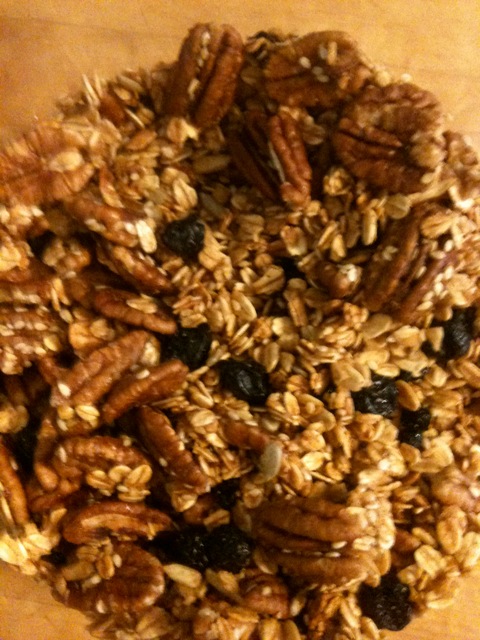
This is the granola I made this morning, inspired by the wonderful blog Orangette.  My horoscope for today recommended that I “make something with honey” (in 40-odd years of reading my horoscope in the morning paper, I have never been similarly advised) so maybe it was in the stars, but it took Molly Wizenberg extolling the virtues of homemade granola and providing me with a few great recipes to convert me.  The house smelled great.  Do yourself a favor — read Orangette.  And make your own granola (I haven’t yet tried the recipe you’ll find by clicking on the above link.  I used an earlier Orangette granola recipe, which Molly adapted from Nigella Lawson.  You can find it in the Orangette recipe index).

(I also made my own pancake mix, but we haven’t tasted it yet, so I’m not ready to share the recipe.  I snuck in flax seeds.  Shhhh.  Don’t tell Jeff and the girls).

While I was making the granola, I listened to a few stories from The Moth, the live storytelling project based in New York.  I learned about The Moth last week, when I was asked to participate in a Spoken Word performance on March 20, as part of the Ballard Writers Collective.  The stories I heard today were funny and touching.  I’m looking forward  hearing more from The Moth during our eight hour road trip.  (I’ll tell you more about the March 20 event later).

As you know, I’m interested in eldercare and in spreading the word anytime I hear of anything that makes life easier for the elderly and their caregivers.  This recent post from The New Old Age is just such a thing.  At a networking event this week, I met an eldercare advisor and was reminded of this growing business.  If you are caring for someone and feel overwhelmed, you can hire a consultant to help you navigate Medicare, find senior housing, etc.  Also, Jane Gross told me to tell you about her Facebook page, where she provides useful updates and information for fans of A Bittersweet Season:  Caring for Our Aging Parents and Ourselves.

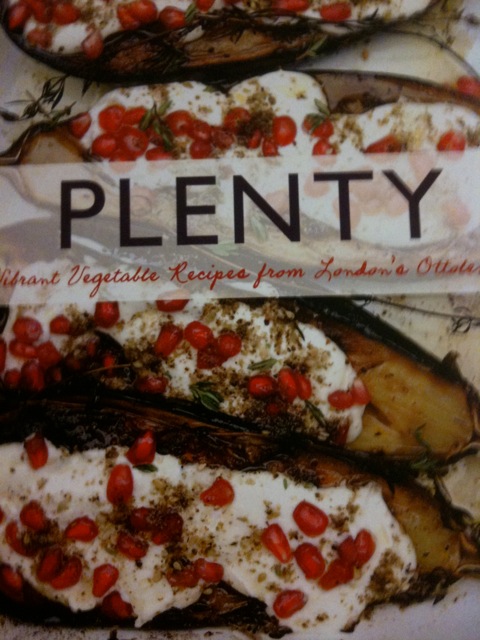
Yesterday, at Costco, I found this fantastic Near East-inspired vegetarian cookbook.  I’ve read about Yotam Ottolenghi and Plenty in my cooking magazines and in The Guardian, and have even made some of his recipes, but I was unprepared for how blown away I have been by this book.   I want to cook and eat everything in it.  Tonight.  Instead of packing.

Finally, it’s no secret that there are a few places I would rather be going than skiing.  But, to paraphrase Adele in her beautiful cover of this Bob Dylan song (you can buy the live version on iTunes), I’d go to the ends of the earth for the ones I love (though eight hours in the car with a teen and pre-teen might be pushing it).

(Check out what Margaret Cho had to say in response to Karl Lagerfeld’s snipe about Adele after the Grammys. Thanks, Theo Nestor, for sharing it.)

That’s all, folks.  I’ll be diligently doing my physical therapy exercises and writing next week, and maybe even doing a little bit of skiiing too.

Happy President’s Day.

Pain in the Neck

It’s 6:30 on a Friday morning and daughter #1 and I are sniping at each other.  I want to be sure she has everything she needs for the ski bus she will take from school to Snoqualmie Summit later in the afternoon.  Skis, poles, boots, helmet, gear bag and food are all piled up by our front door, just as they are every Friday morning.  But this morning, I am bitchier than usual and daughter #1 is rolling her eyes and refusing to go through the checklist with me, though we both remember her maiden ski bus trip last year, when we packed everything except the ski boots, an omission she did not discover until she was on the mountain, ready to go.

I am bitchy because I haven’t slept for the past several nights, due to a pain in my neck.  I’d like daughter #1, who is 13 and can’t always control herself, to stop being a pain in the bleep and cut me some slack.  It doesn’t happen and we part on unfriendly terms.

Later, after I have been diagnosed with a herniated disc, pumped full of steroids and set up with a physical therapy regimen, I will have the foresight to send her a text apologizing for my bitchiness.

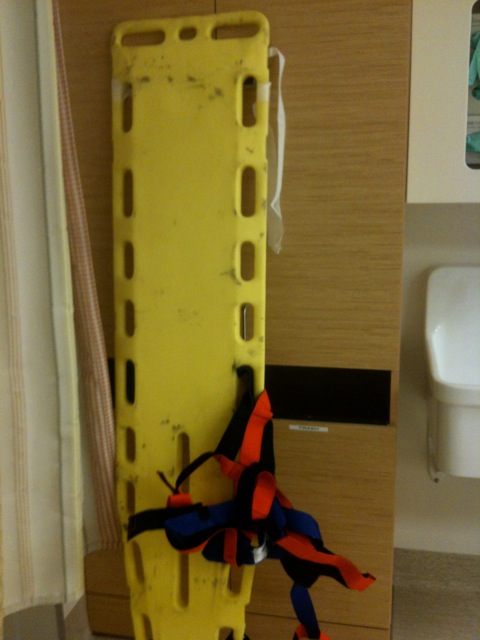
Still later, when she has been strapped to a backboard and rushed down the mountain in an ambulance, I will look at her texted response to my apology:  “I’m sorry I was a whiny schmuck.”   Me: “I’m glad you’re my whiny schmuck  :).”  Her:  :).

The next day we are walking companionably together in stiff-necked glory, me, whacked out on steroids and pain meds and a muscle relaxant, her, a little sore and just beginning to realize what might have been.

She tells me she dreaded making the call to us that night, knowing we would be upset.  I tell her how helpless we felt because we weren’t there to comfort her and about the confusion of receiving several truncated calls from the ski patrol, her ski instructor and a chaperone who happened to be a doctor, trying to piece together what had happened and assess her situation.  She’d fallen and somersaulted, landing on her back, while learning mogul safety, but had managed to ski herself down the mountain (good sign) before realizing she felt dizzy (bad sign).  As a precaution, she was strapped to a backboard and it was determined that she should be taken by ambulance to the emergency room.  The experts deliberated over which one, and we reacted to each possibility: the one nearest our house (good sign), the one at Seattle’s largest trauma hospital (bad sign), and finally, the one closest to the mountain (good sign).

She tells me what it was like to be immobilized on her back in a screaming ambulance, crying, with no one but an awkward EMT to comfort her with small talk.

I tell her about rushing to the hospital, a 45 minute drive from our house, with her pajama-clad frightened younger sister in tow.  On the way, something smashed into our windshield, aimed at my heart.  “Have we been shot????” Jeff was rattled by the sudden impact.  Indeed, there is a bullet-like hole on the outside of the glass and it seems hard to believe it could have come from a rock.

By 11:00 p.m., backboard just a memory,

we are at a drive-through Krispy Kreme at a strip-mall in Issaquah laughing at the strangeness of our situation and allowing the first waves of relief to sink in, along with the sugar.

Though I am unable to turn my head toward the backseat to smile, we agree that this was the mother of all gazumps.

Daughter #2 suggests I can bog about this.  I feel a twinge of guilt over what we may be turning into.

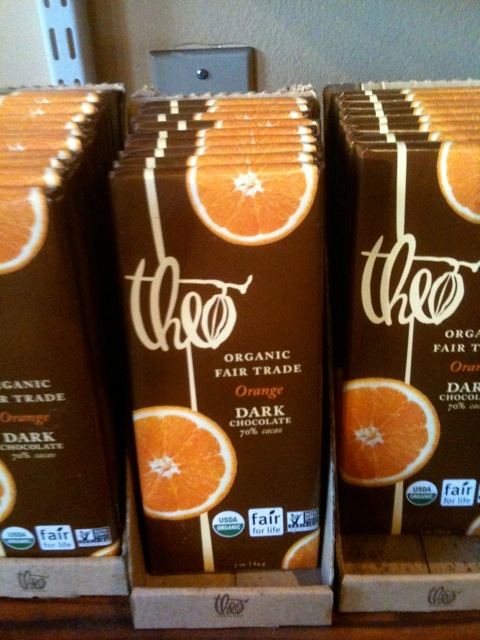
The pharmacist calmly explained all the possible side effects of my meds.  My friend Diane, a nurse, puts it in plainer terms.  “You’re going to be bloated and bitchy and miserable.”  I already feel that way 11 days of each month, thanks to my perimenopausal PMS, which is kind of like PMS on steroids and which I have learned to manage with exercise, smoked salmon, red wine and my private reserve of dark chocolate.

I keep it on a special shelf in the freezer.

Now that I am experiencing perimenopausal PMS and am on steroids, I realize that my previous forays into moodiness were a walk in the park compared to this new dimension of craziness.  I have never suffered from chronic depression, nor have I ever taken anti-depressants.  I have a new-found empathy for those who do.

My funny family is able to make light of Mom’s ‘roid rage and Daughter #1 buys me some Doublemint gum to cool me down. But, though I stop taking the muscle relaxants after the first one, and limit the pain meds to just one at bedtime, my consciousness is altered, like a mid-life follower of Timothy Leary, though I drive a minivan instead of a magic bus.

I take a four-mile walk on a glorious sunshiny day and my iPod astutely shuffles to Katrina and the Wave to help cheer me up.

It doesn’t work.

It’s been a long time since I’ve had the intensity of feeling one experiences in middle school, when the mountains can seem more beautiful than they ever have before

yet you question your place in this world.  I have a new-found empathy for those who feel these extremes and also have to navigate the intricate social dynamics of the school lunchroom.

As the pain lessens and the meds wind down, I am regaining enough healthy perspective to understand that we dodged a number of bullets.  That fateful Friday would have been the 17th birthday of my friend Beth’s son Ian. There was a madman with a gun terrorizing a neighborhood to our north, where residents were advised to stay home behind locked doors.  There was an accident at our Sunday Farmers Market, resulting in the serious injury of a baby. I think the moon was full.

Our insurance will pay to get the windshield fixed. Daughter #1 is planning to go skiing again on Friday and I’ll be up and running again in no time. Over the years, we will re-tell the story of Daughter #1’s ambulance adventure when she comes home from college for the holidays or whenever we pass a drive-through Krispy Kreme kiosk.

In the grand scheme of things, I am grateful that in the end, this turned out to be nothing more than a pain in the neck.

Though many things can cause them, herniated discs can also be a by-product of aging. I’m grateful to my Facebook friends who stuck their necks out for me by sharing their stories and favorite remedies.  Thanks to Nancy Schatz Alton, a member of the Ballard Writers Collective and co-author of The Healthy Back Book, which jump-started my efforts to take charge of my own recovery.  Thanks to Christina Wilsdon, witty writer and animal aficionado, for suggesting Treat Your Own Neck, by Robin MacKenzie.  Thanks to my neighbor Shannon for the nightly laser treatments, to Diane for the frankness and the heating pad, and to Liz and Paul for the promise of a rotisserie chicken and cookies.

In addition to drugs, physical therapy and ergonomic office arrangements, everyone agreed that dark chocolate has charms to soothe the savage beast.   Some kindred spirits also felt that the pair of pink shoes I’ve been ogling would certainly have profound therapeutic benefits.

Finally, I haven’t felt much like eating because of the water retention, and have felt even less like cooking, which, if you know me, you know signals that my stars (not just my neck) are out of alignment.  But this morning, while thinking about anti-inflammatory, all-around good for you foods, I remembered this wonderful salad from the cookbook Turquoise: A Chef’s Travels in Turkey by Greg and Lucy Malouf.  Afiyet Olsun! (Turkish for enjoy your meal)

Green Olive, Walnut and Pomegranate Salad

3/4 cup walnuts, toasted for 5-10 minutes in a 350 degree oven.  After cooling, pour the nuts into a towel and rub well to remove skin.  Then coarsely chop

1/2 cup pitted green olives, washed and coarsely chopped

1/4 unsalted shelled pistachios, coarsely chopped

1/2 cup pomegranate seeds

2 small shallots, peeled and finely diced

1 red serrano chile, seeded and finely diced

1Tablespoon shredded flat-leaf parsley leaves

1 Tablespoon olive oil

I Tablespoon walnut oil

splash of pomegranate molasses

juice of 1/2 lemon

sea salt

freshly ground black pepper

Combine all ingredients in a large bowl and toss gently.  Let stand five minutes before serving so flavors can meld.